Shanghai SAI-U Metal Products Co., Ltd.
Products

Steel Spill Pallet: Precise Leak Prevention

Table of Content [Hide]

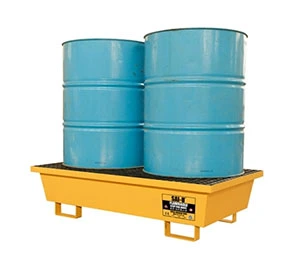
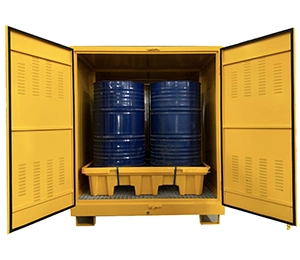
    The purpose of a steel spill pallet is to prevent and control leaks of barrels and chemical containers, which are extensively used in factories, warehousing, logistics, and transportation industries. SAI-U steel spill pallets are made from 3mm hot-rolled steel plate, designed to store hazardous liquid waste and prevent secondary leaks of chemicals or other hazardous liquids during transfer, storage, and handling processes. They are widely used in industries such as petrochemicals, pharmaceuticals, food, and chemicals to improve liquid storage safety and protect the environment from pollution.


    The Impact of Hazardous Chemical Leaks


    • Pollute the on-site working environment, leading to extensive cleaning and wiping work.


    • Increase the risk of slips and falls, causing personnel safety accidents.


    • Depending on the characteristics of the chemicals, it may lead to accidents such as fires, explosions, and poisoning.


    • Leaked liquids can enter sewers and soil, polluting water bodies, soil, and air. 


    Many chemical plants, waste processing plants, and laboratories store oil barrels, chemical barrels, or chemical containers, which may leak or splatter during storage, use, and transport.


    Chemicals that are toxic, hazardous, flammable, explosive, or corrosive, and can pollute water bodies and soil, must use secondary containers during storage, transfer, use, and disposal to prevent pollution and accidents. Steel spill pallets are widely adopted and used as secondary containment containers.


    How to Choose the Right Steel Spill Pallet?


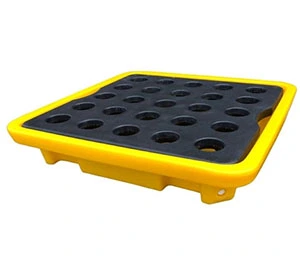
    Select the appropriate steel spill pallet according to the nature and quantity of the stored materials, ensuring that the dimensions, materials, and load-bearing capacity of the tray meet your needs. steel spill pallets can be classified into spill containment trays and spill containment platforms based on their application. Spill containment trays have a large spill capacity and are suitable for storing large-volume containers and can be transported by forklift. Spill containment platforms have a smaller spill capacity and are suitable for dispensing or storing small-volume containers. Based on material, they can be categorized into steel trays and polyethylene trays. Steel trays are suitable for oils and non-corrosive chemicals, while plastic trays are suitable for storing flammable and corrosive chemicals.


    What is the Difference Between Spill Containment Platforms and Spill Pallets?


    The height of a spill containment platform is lower than that of a tray. Due to the lower height, spill containment platforms save space and enhance safety and efficiency, making it easier to handle oil and chemical barrels. Generally, spill containment platforms are used for storing oil and chemical barrels and not for transferring these containers. They are placed in workshops to serve as a platform, allowing various operations (extracting oil, filling, dispensing, etc.) to be carried out on top. Spill containment platforms can be combined to form a stable and reliable spill containment workstation.


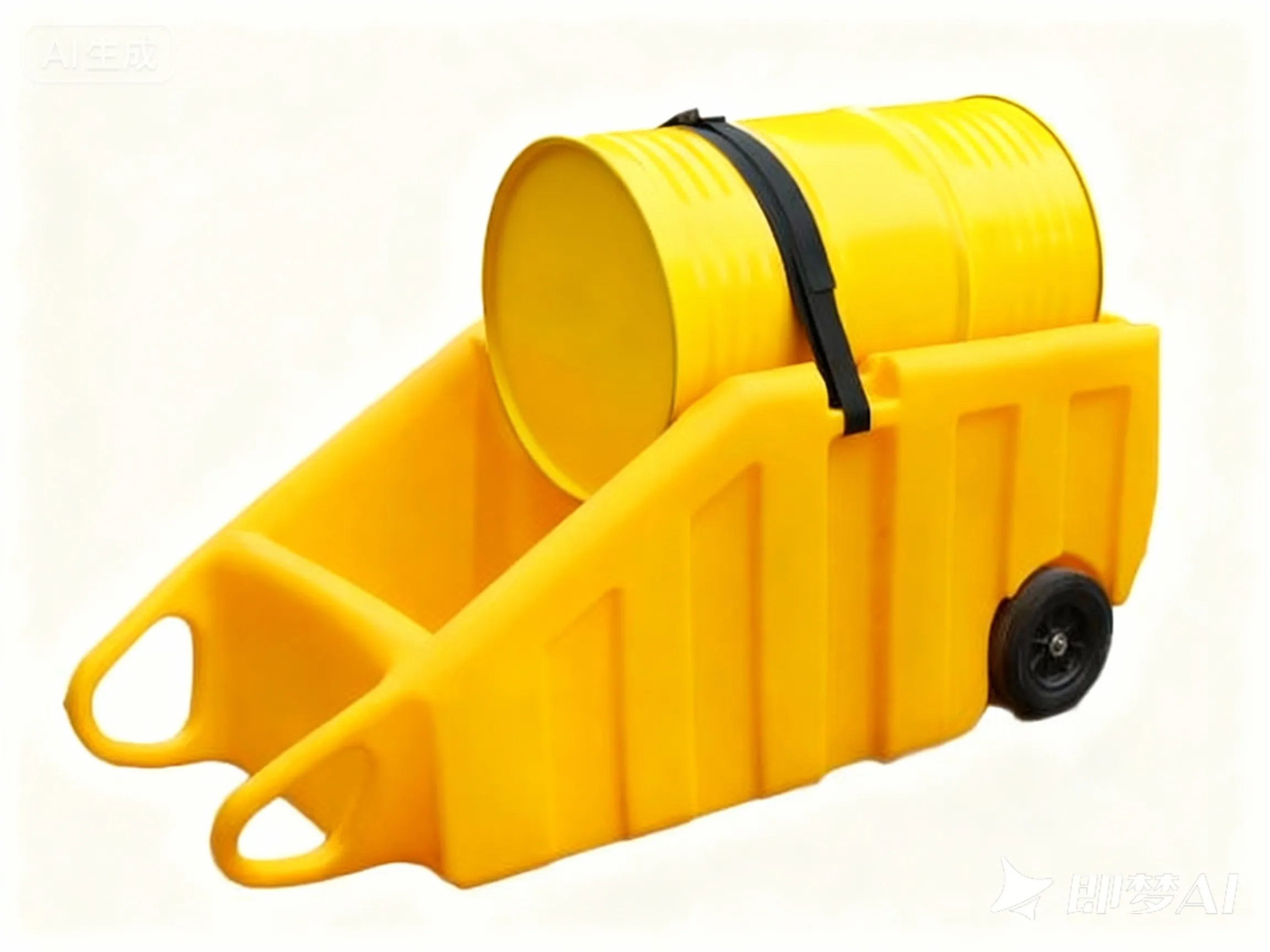
    Spill pallets have forklift slots, allowing the storage, handling, and transfer of oil and chemical barrels. All leaks flow into the containment slots, preventing spills from reaching the ground. Spill pallets come with their own ramps, making the transport of chemical storage barrels easy, quick, and simple. The spill capacity of spill pallets meets the relevant regulations in EPA 40 CFR 264.175.
    References