Shanghai SAI-U Metal Products Co., Ltd.
Products

Do Chemical Storage Cabinets Hold the Key to Preventing Lab Fires and Explosions?

Table of Content [Hide]

    Chemical storage is a critical aspect of workplace and laboratory safety. Improper handling or storage of chemicals can lead to fires, explosions, toxic releases, or other hazardous reactions. Specialized equipment like chemical storage cabinets and adherence to regulations—particularly those from the Occupational Safety and Health Administration (OSHA)—help mitigate these risks. This guide covers essential requirements, practical rules, and common incompatibilities to ensure compliant and safe storage.


    What Are Chemical Storage Cabinets and Why Are They Essential?


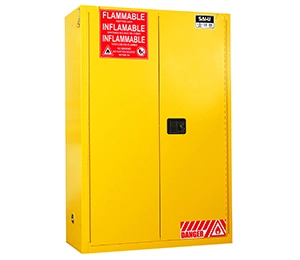
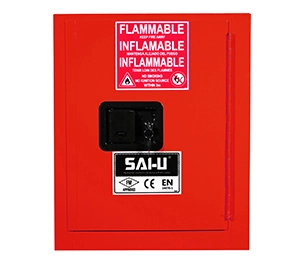
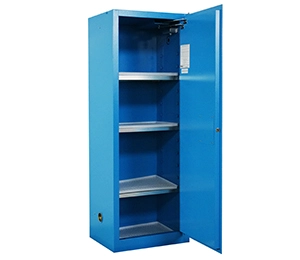
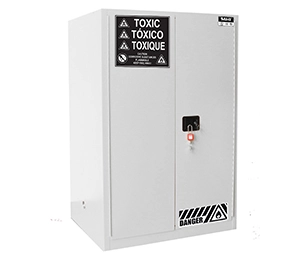
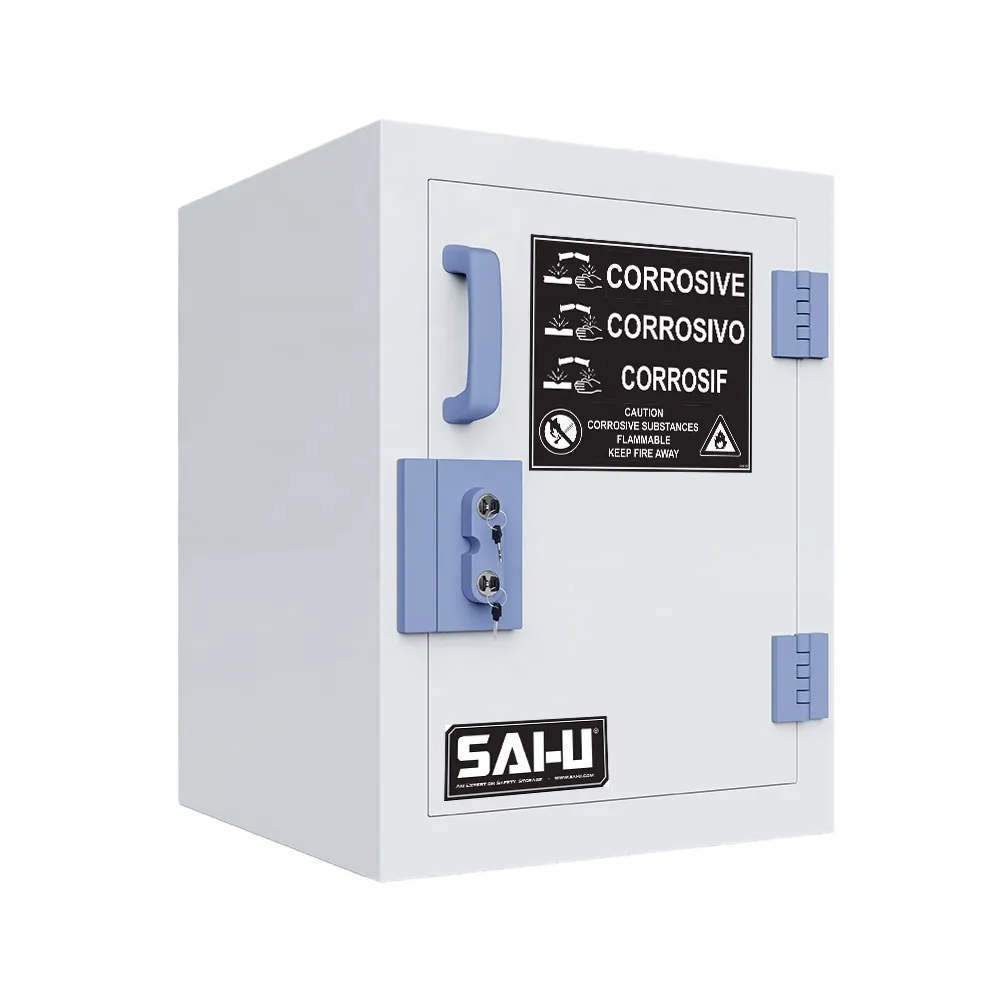
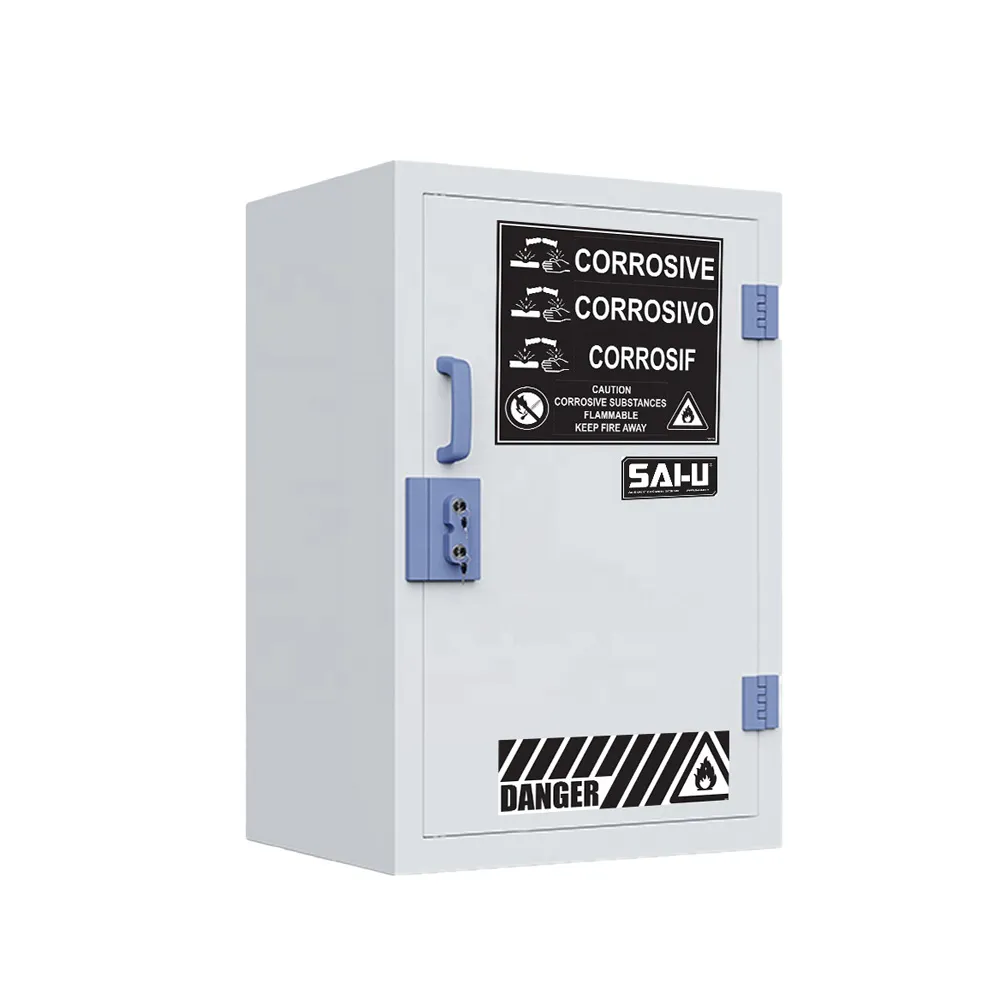
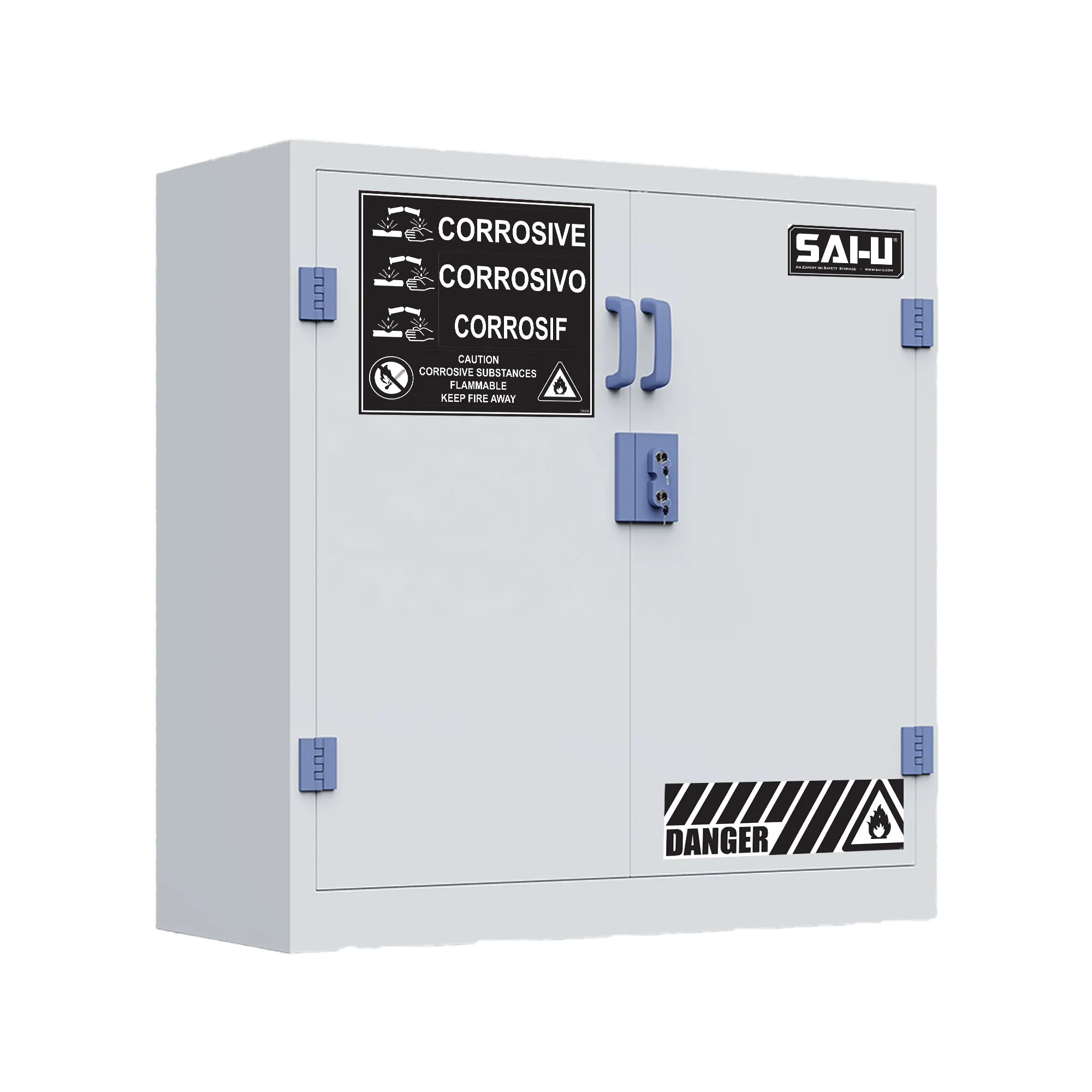
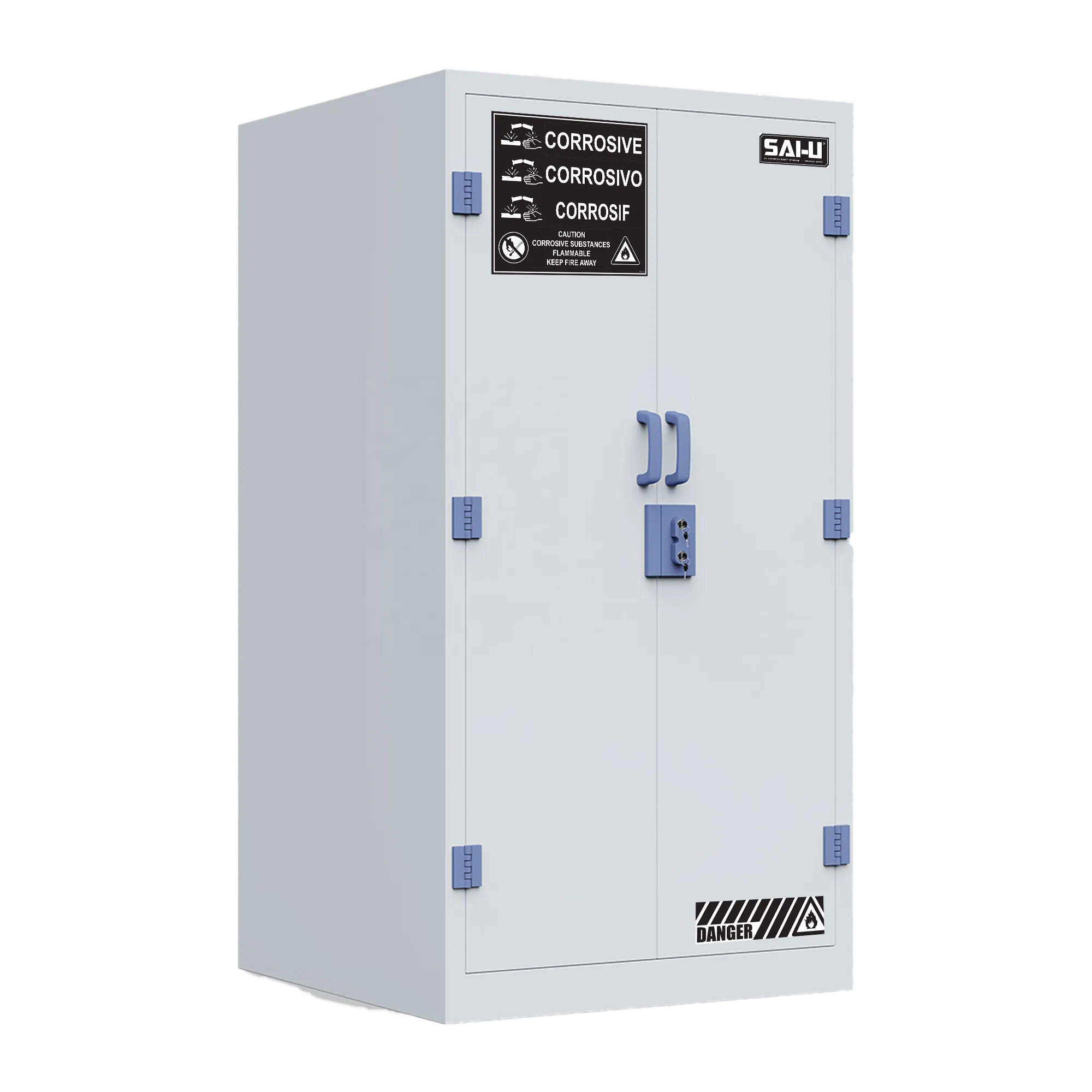
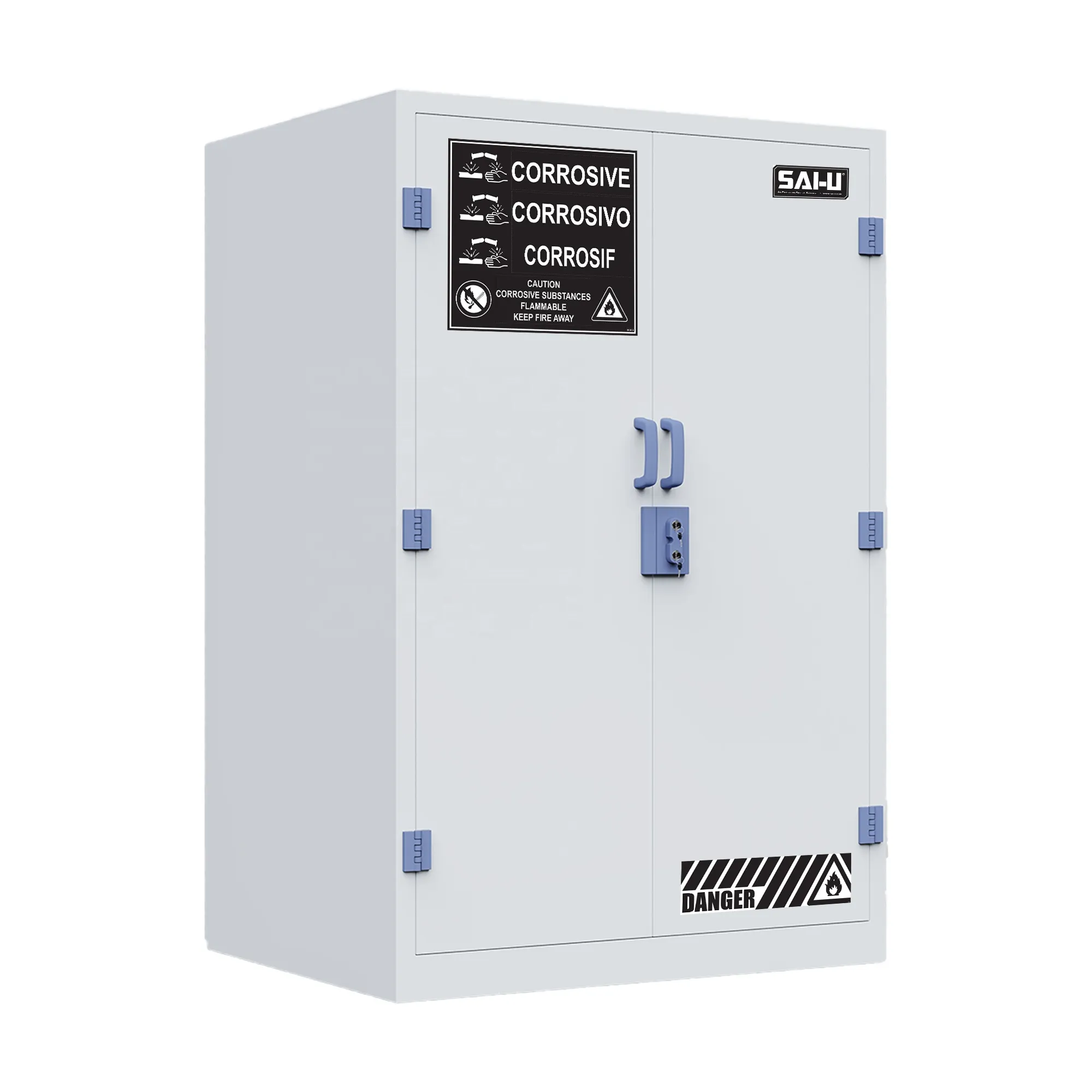
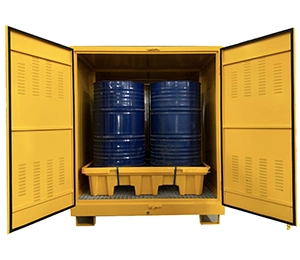
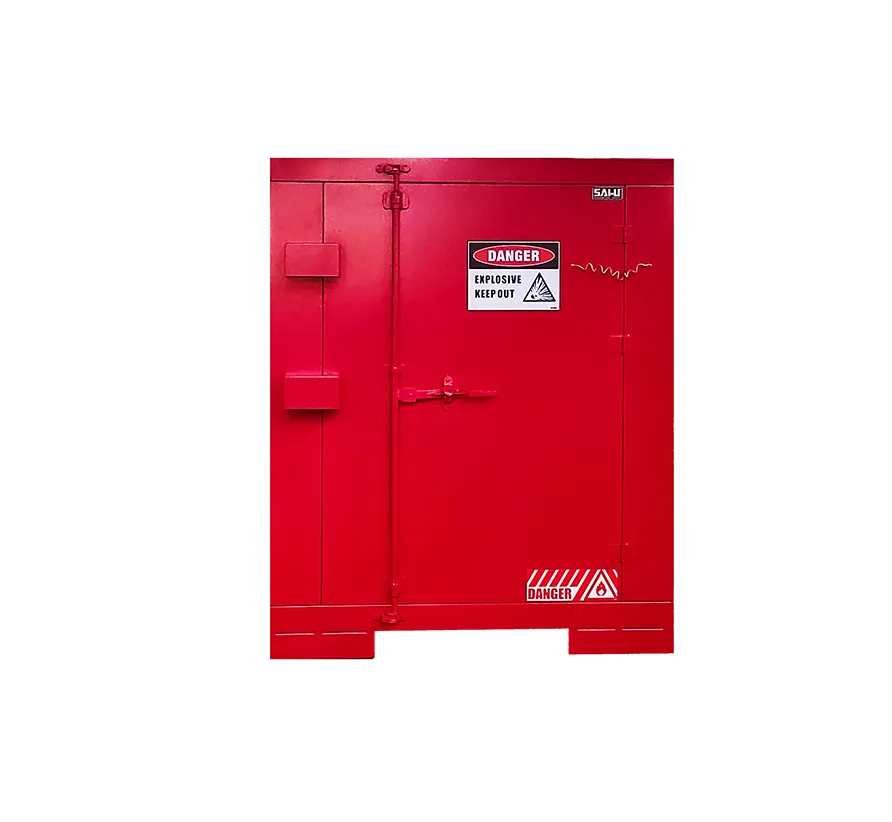
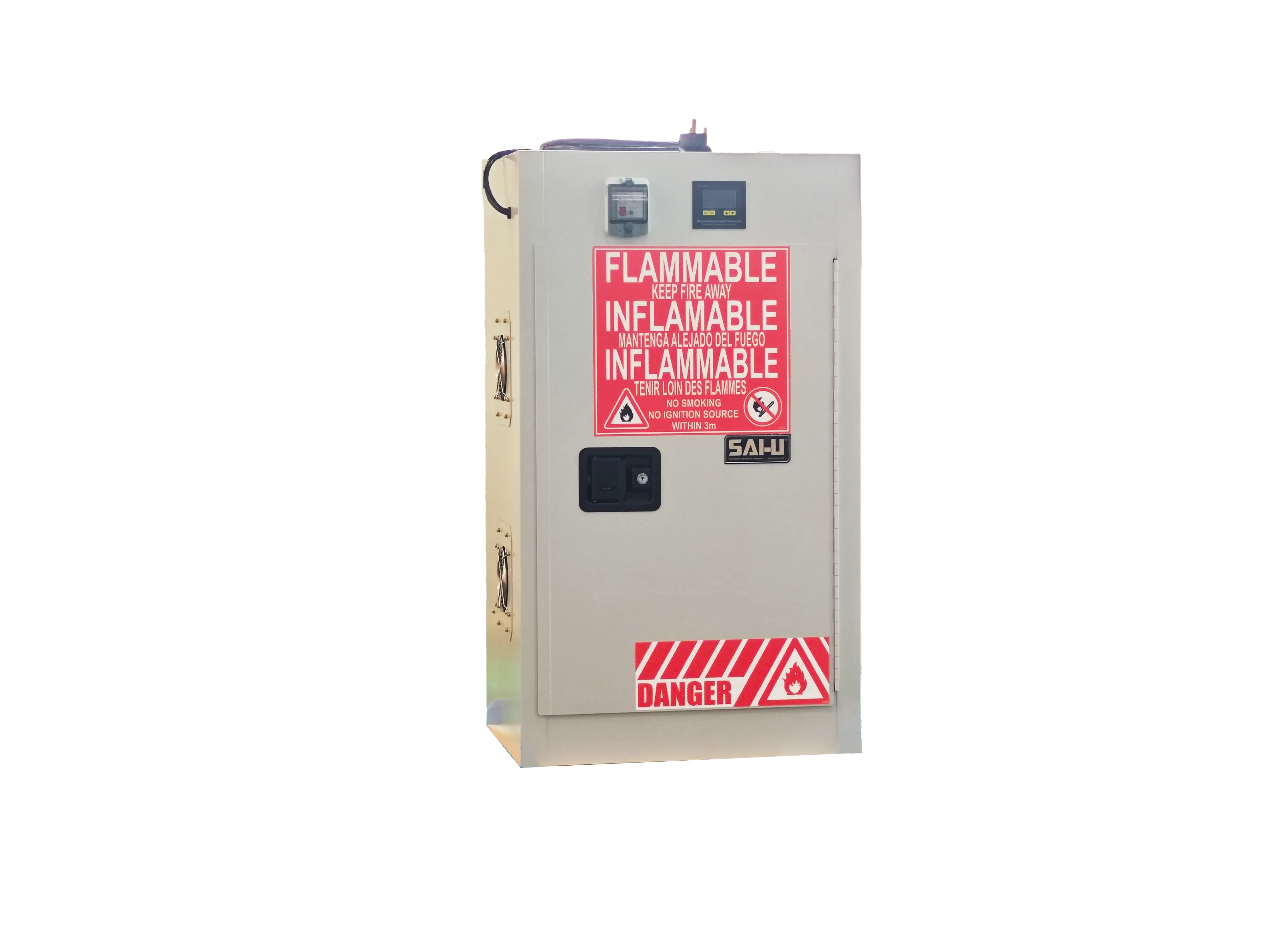
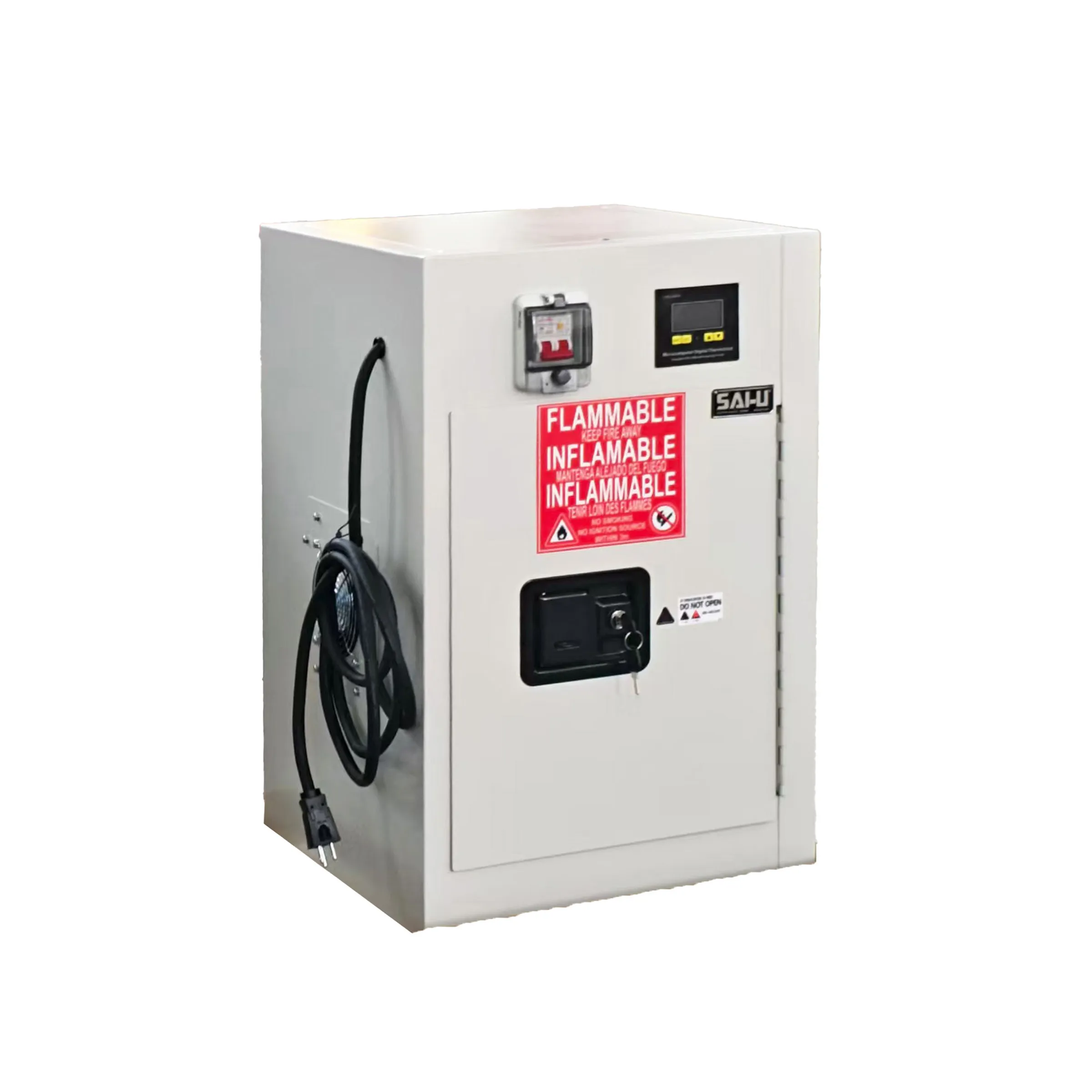
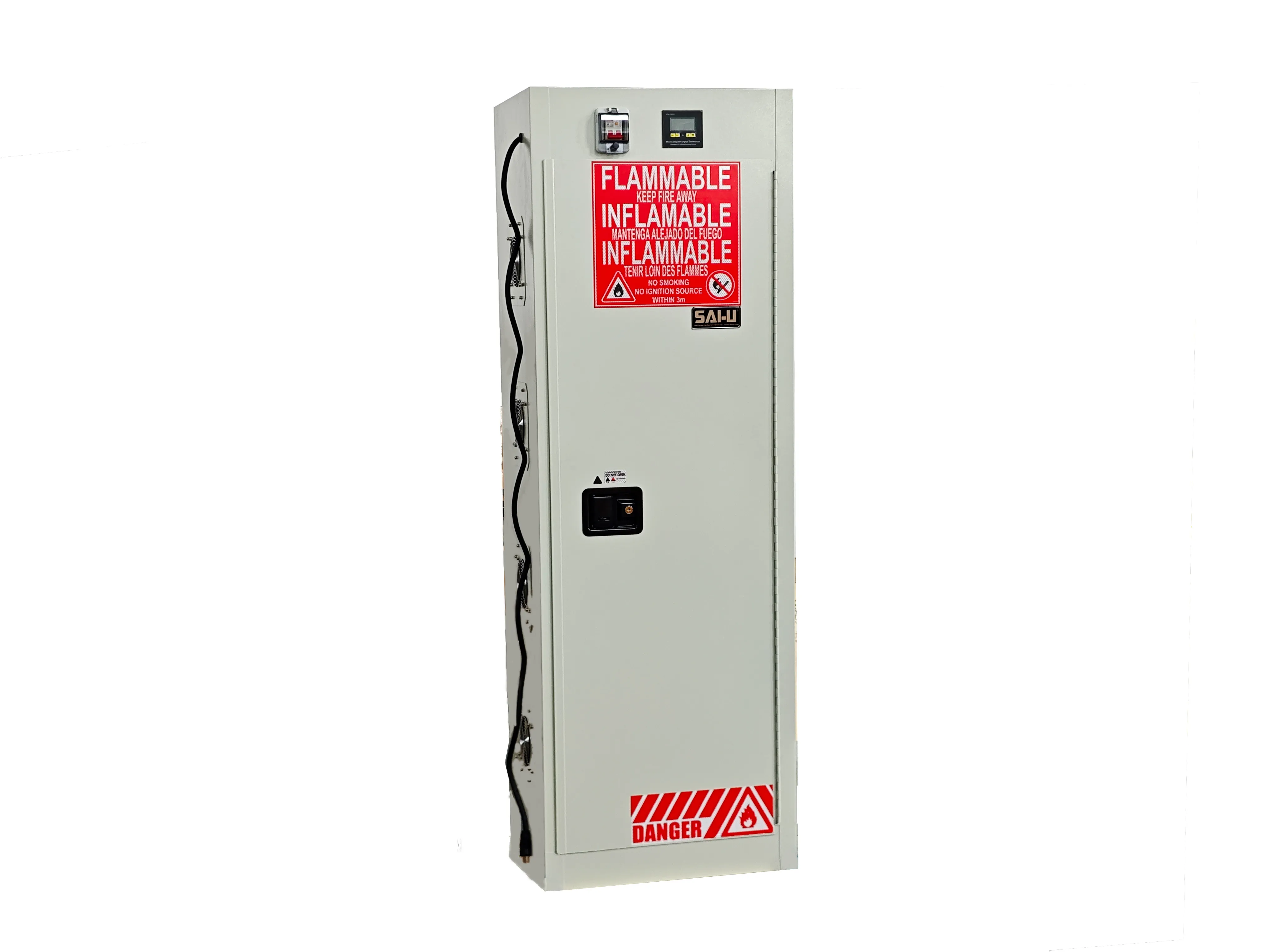
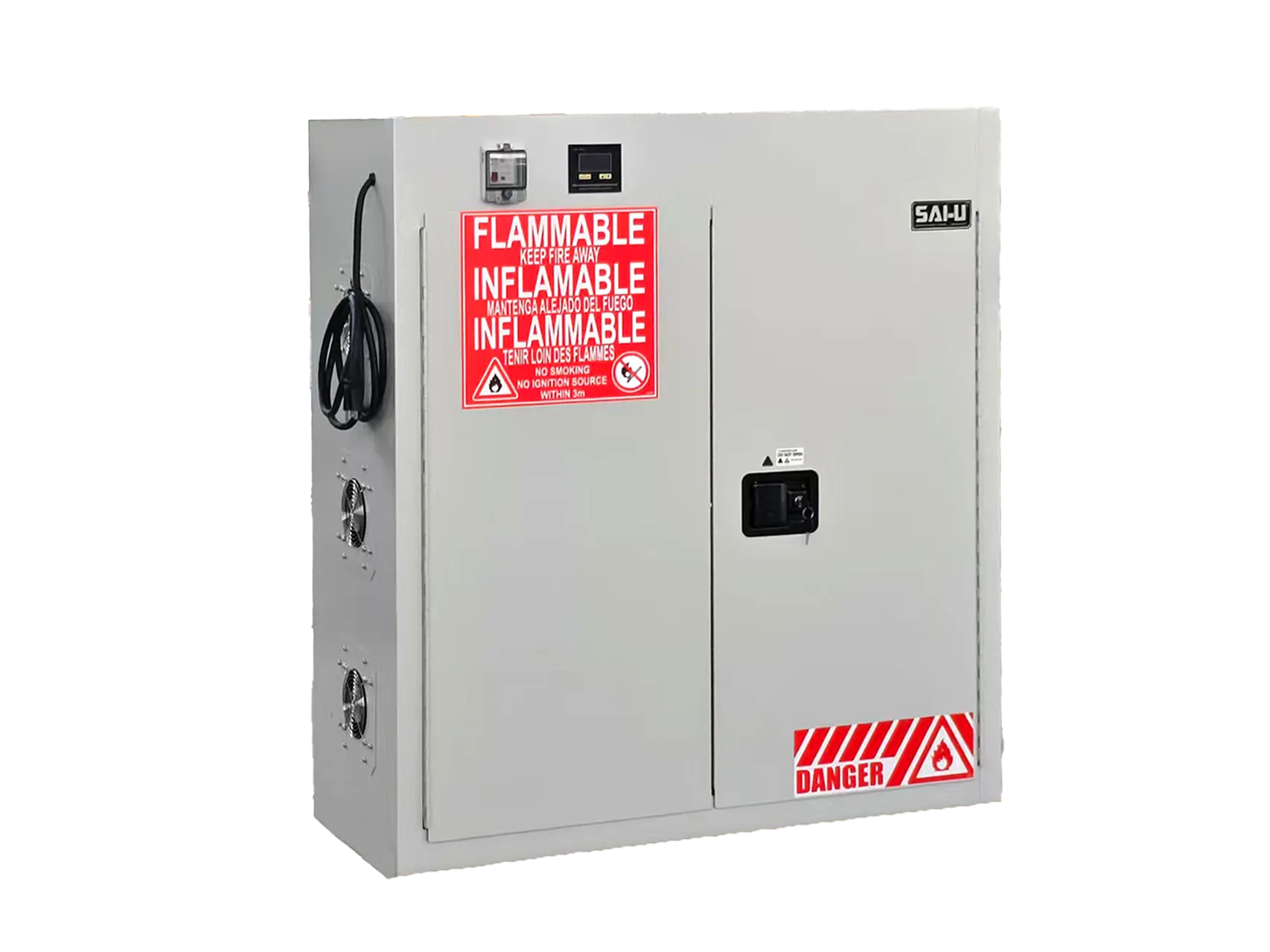
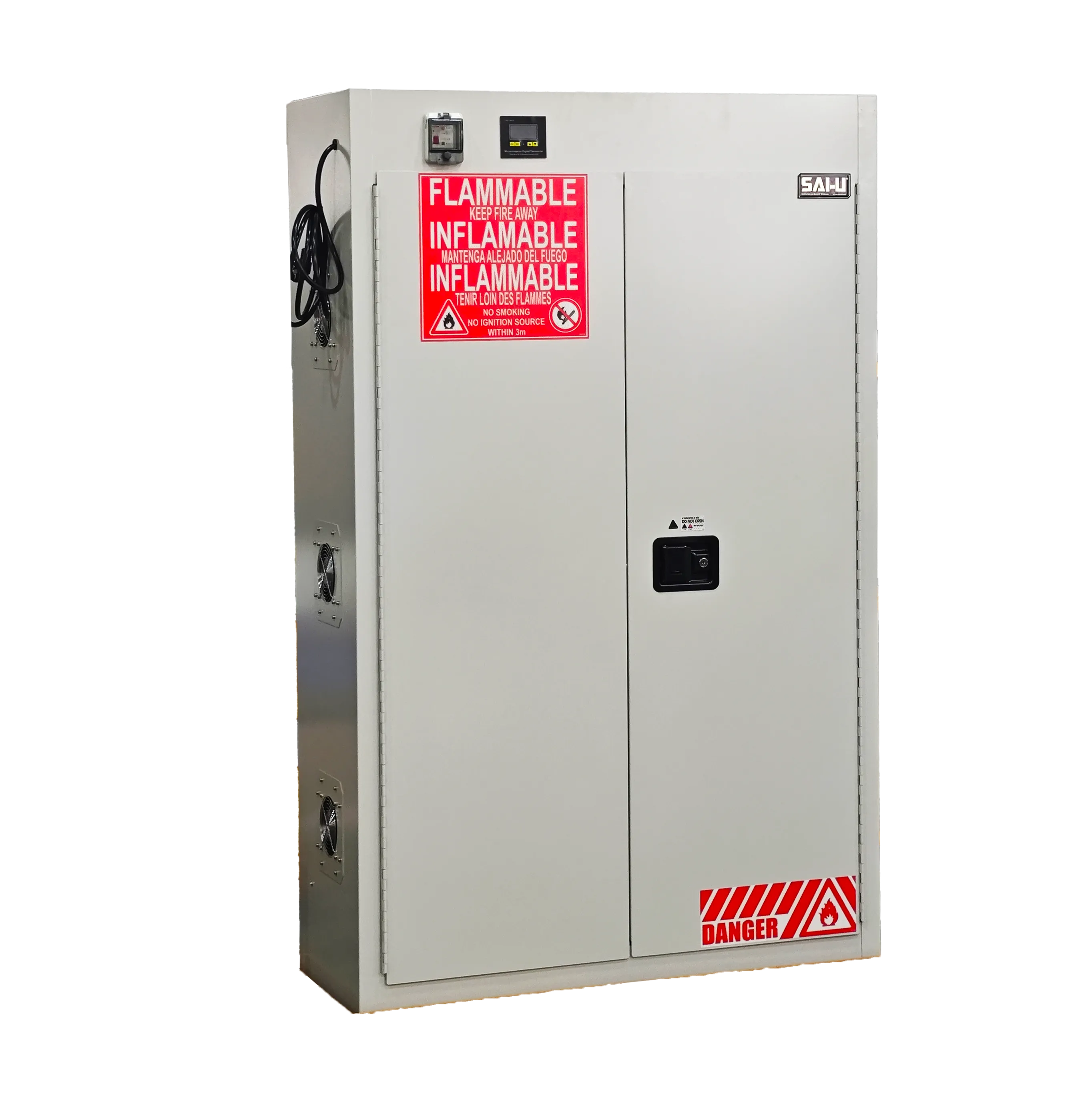
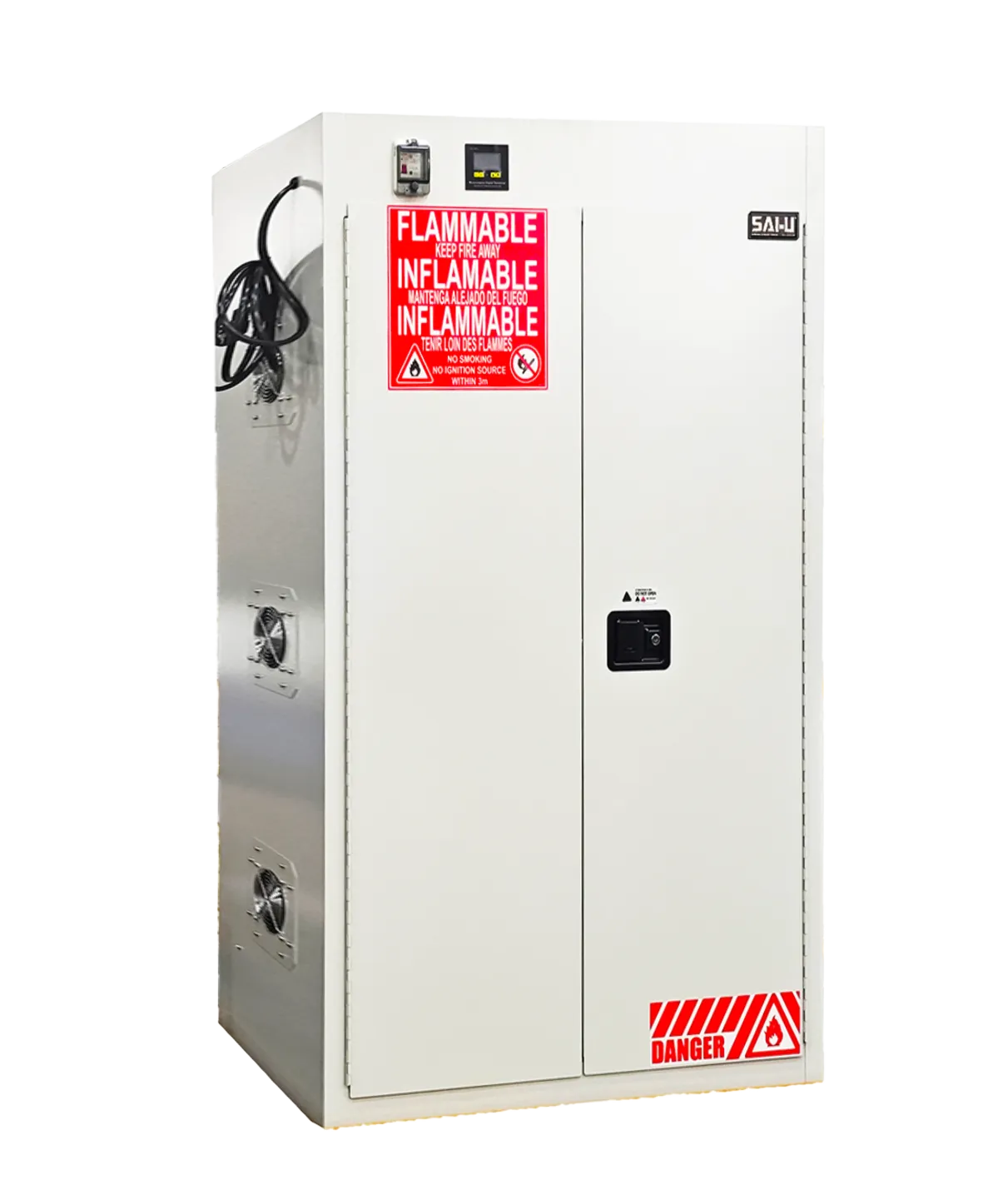
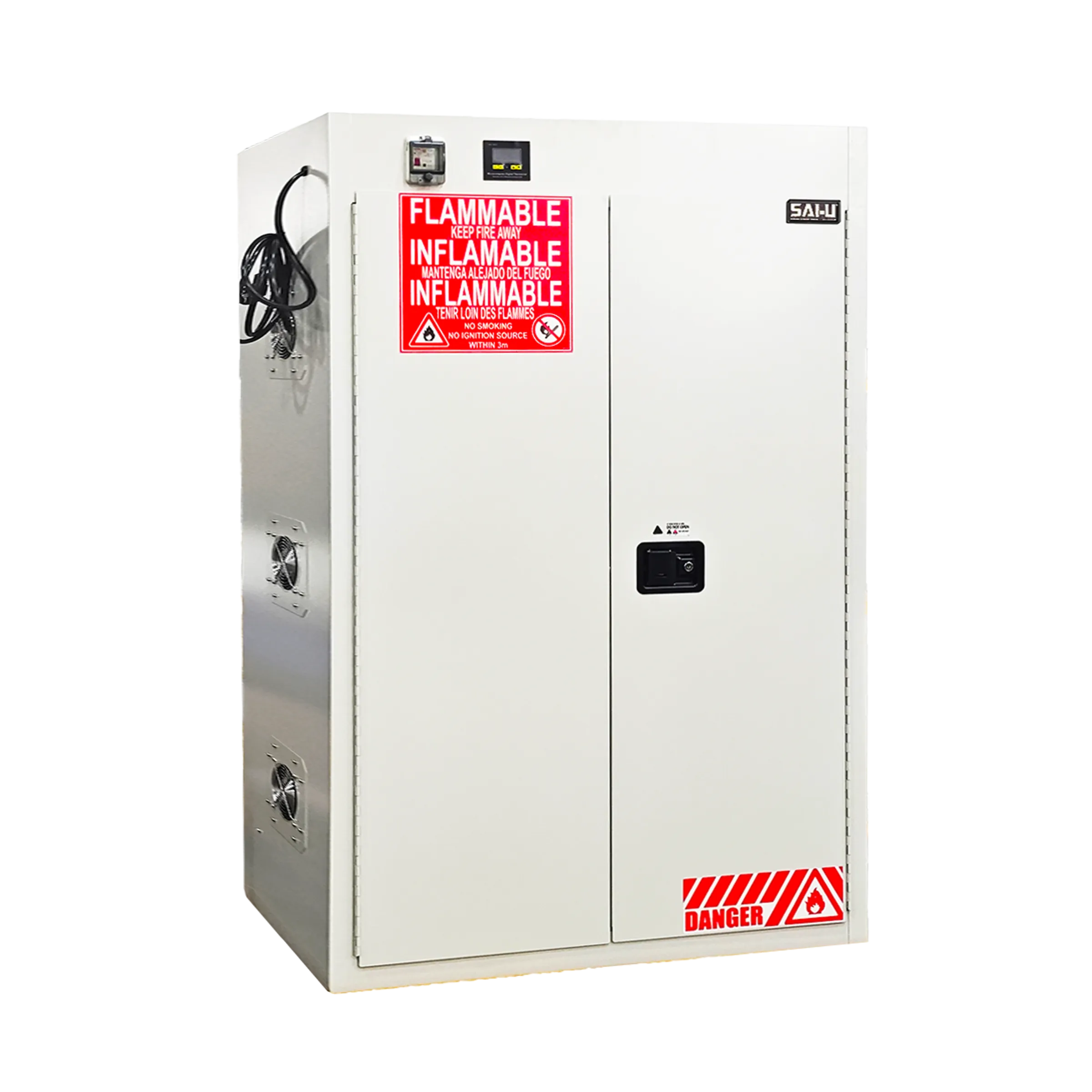
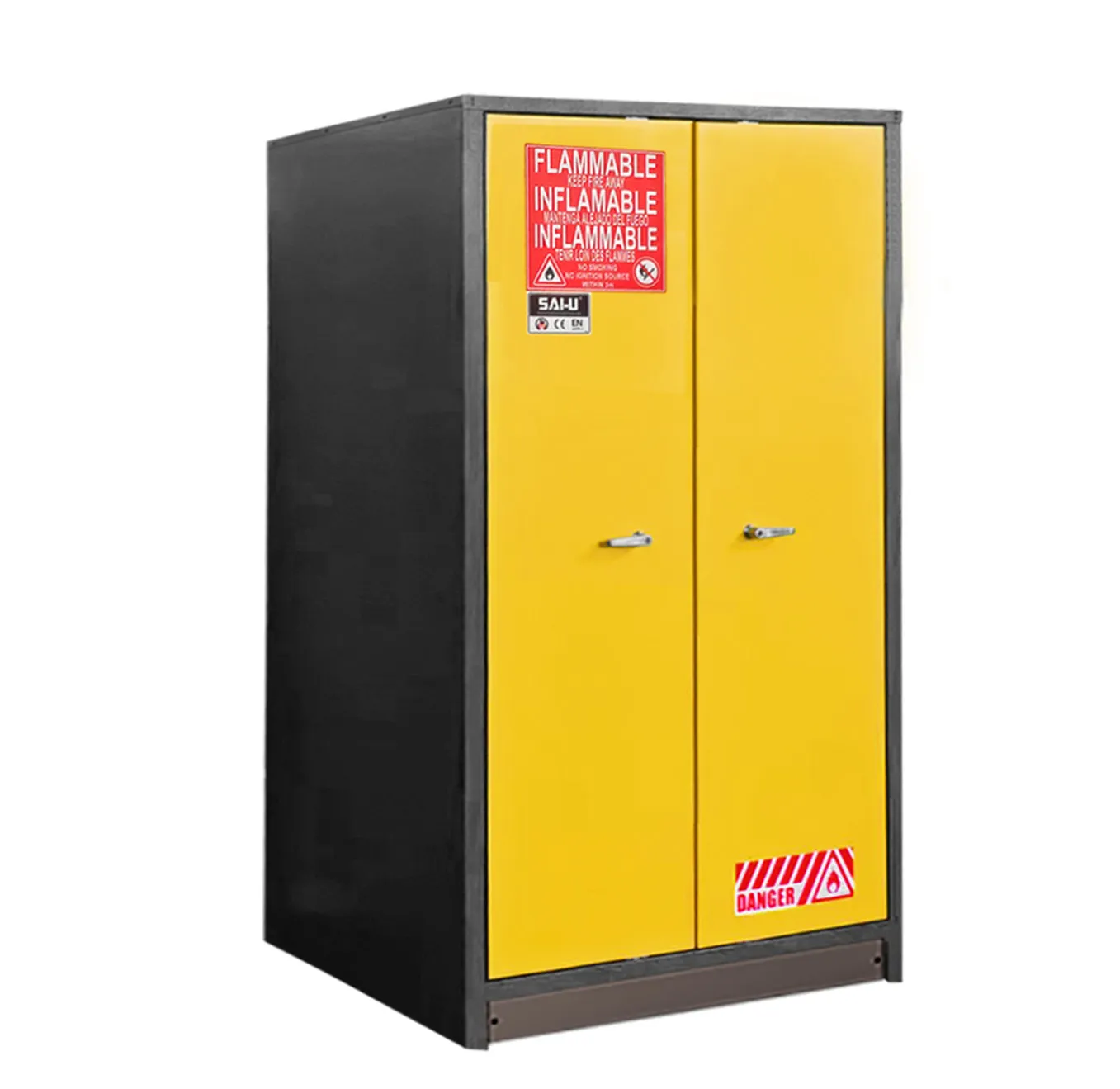
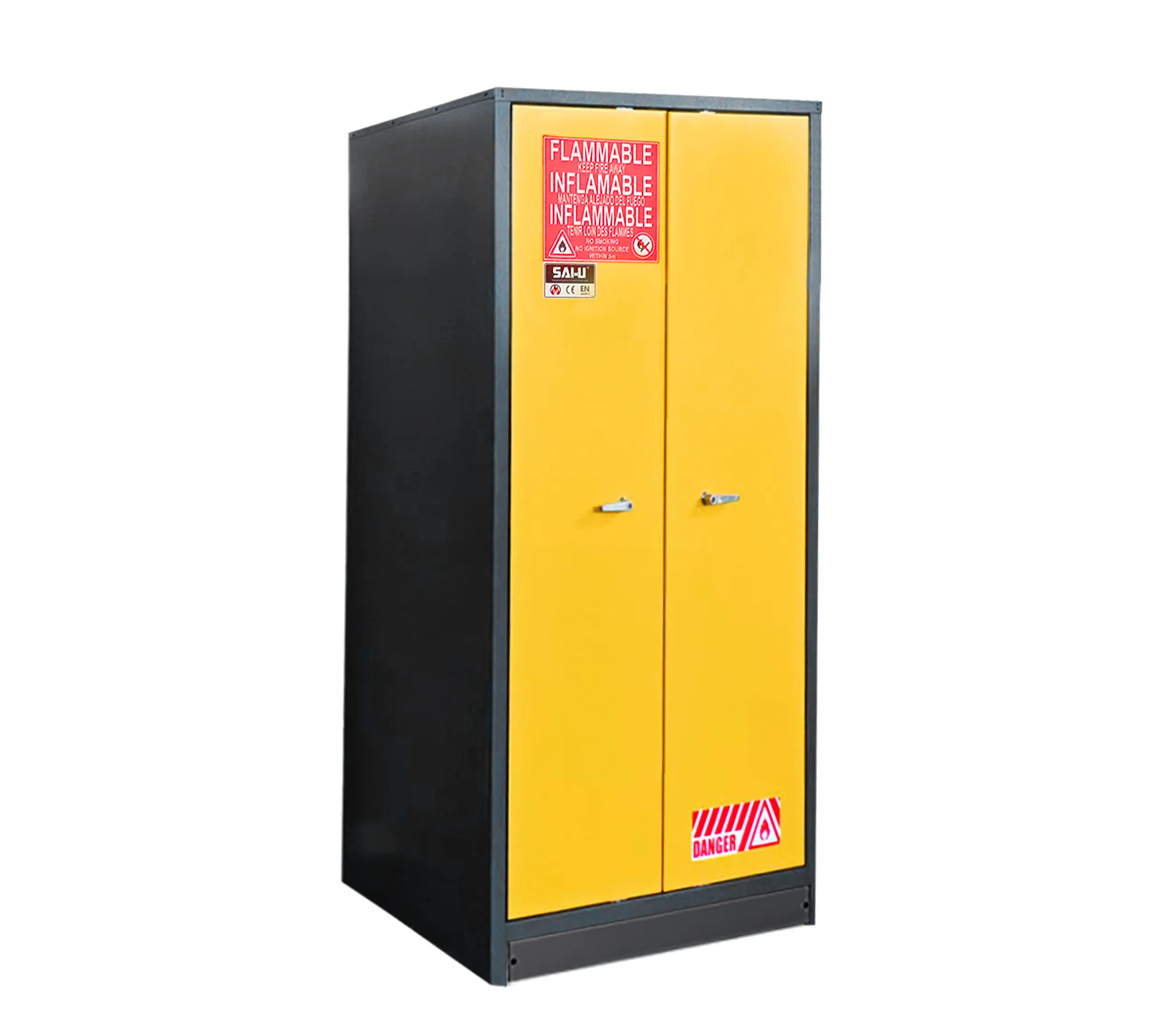
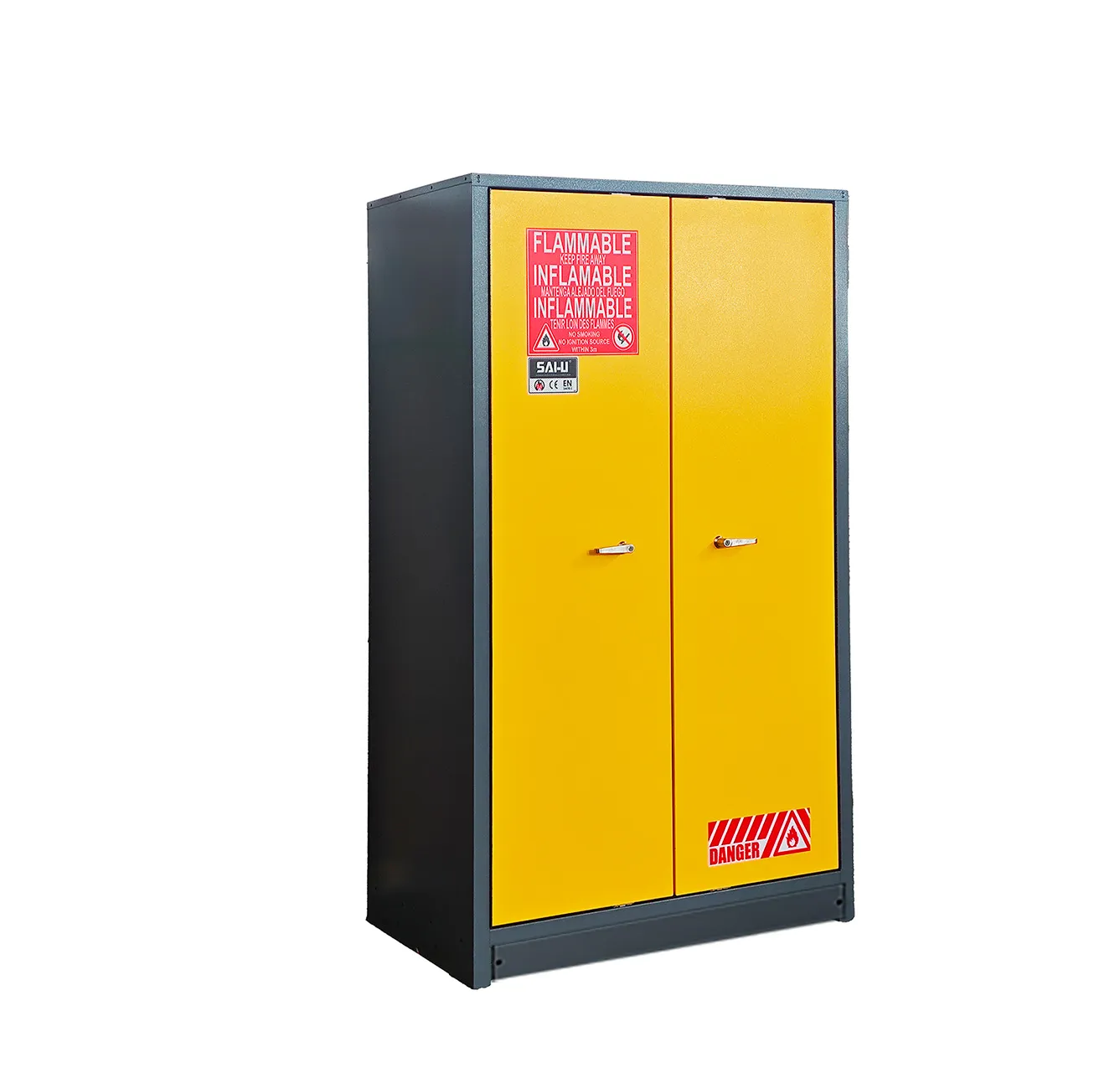
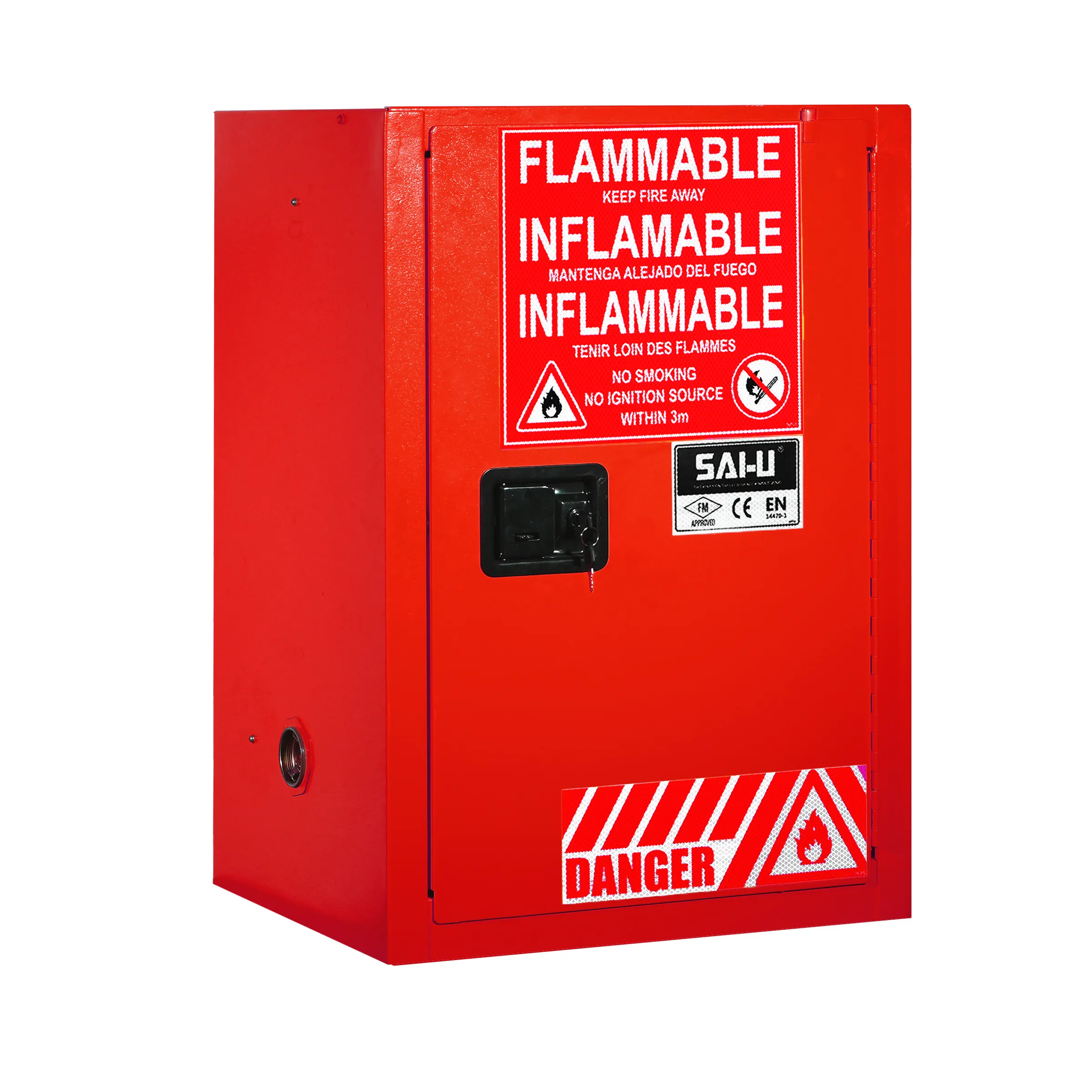
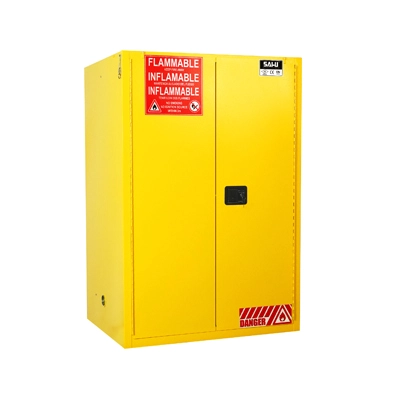
    Chemical storage cabinets are purpose-built, secure enclosures designed to safely contain hazardous substances, especially flammable liquids, while preventing accidental mixing of incompatible chemicals. These cabinets separate reactive materials, contain spills, and limit fire spread. All chemicals should be stored in secure, closed containers, preferably inside enclosed cabinets to reduce exposure risks and accidental contact.


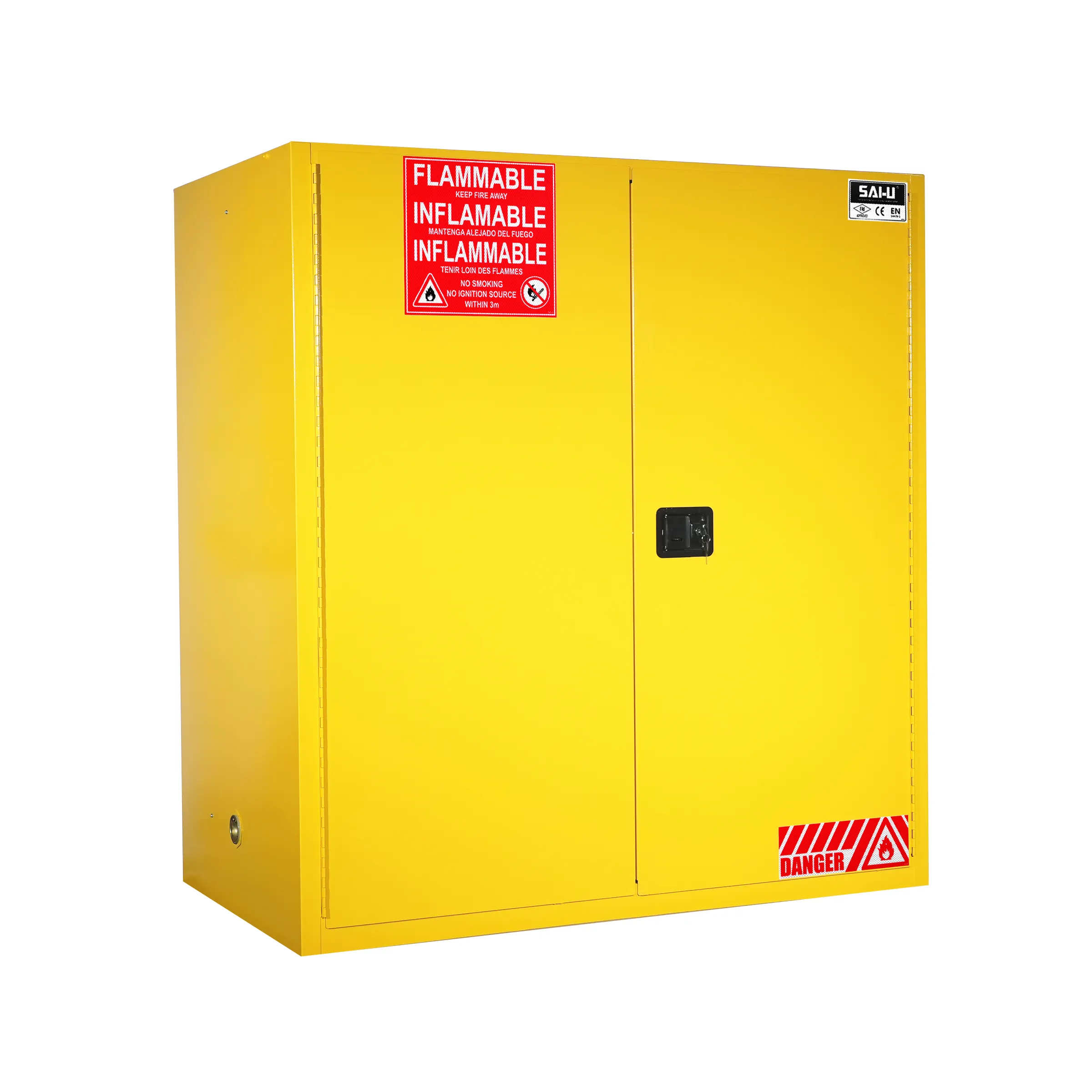
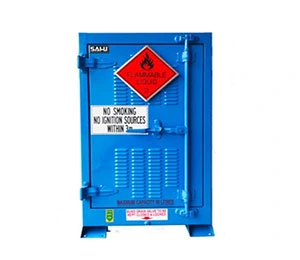
    For flammable liquids (defined under OSHA's 29 CFR 1910.106 as liquids with a flashpoint at or below 199.4°F/93°C), cabinets provide fire-resistant protection. They feature double-walled construction (typically 18-gauge steel), raised sills for spill containment, self-closing doors (recommended or required in some jurisdictions), and must limit internal temperatures to no more than 325°F during a 10-minute fire test per NFPA standards. Cabinets are conspicuously labeled, such as "Flammable – Keep Fire Away."


    Key OSHA Requirements for Flammable Liquid Storage


    OSHA establishes strict limits under 29 CFR 1910.106 to control fire hazards associated with flammable liquids. No more than 25 gallons of flammable or combustible liquids may be stored outside an approved cabinet in any room or fire area of a building. An approved flammable storage cabinet is permitted to hold up to 60 gallons of Category 1, 2, or 3 flammable liquids—typically those with lower flashpoints—or up to 120 gallons of Category 4 flammable liquids. No more than three such cabinets are allowed in a single storage area or fire area unless the facility incorporates enhanced fire protection measures, such as automatic sprinklers or other approved systems. Any quantities that exceed these specified limits must be stored in dedicated inside storage rooms that meet additional requirements for construction, ventilation, and fire resistance. These regulations primarily apply to general industry settings but significantly influence laboratory practices as well. It is essential to verify that all cabinets comply with OSHA design standards, which include features like proper labeling (such as “Flammable – Keep Fire Away”) and effective spill containment to ensure ongoing safety and compliance.


    Five Essential Rules for Safe Chemical Storage


    • Use the Safety Data Sheet (SDS) as your primary guide — Review each chemical's SDS for specific hazards, storage conditions, and incompatibilities before placement. The SDS provides manufacturer-recommended temperature ranges, ventilation needs, and spill response details; for example, peroxides may require cool, dark storage to prevent explosive formation. Always keep SDS accessible near storage areas for quick reference.


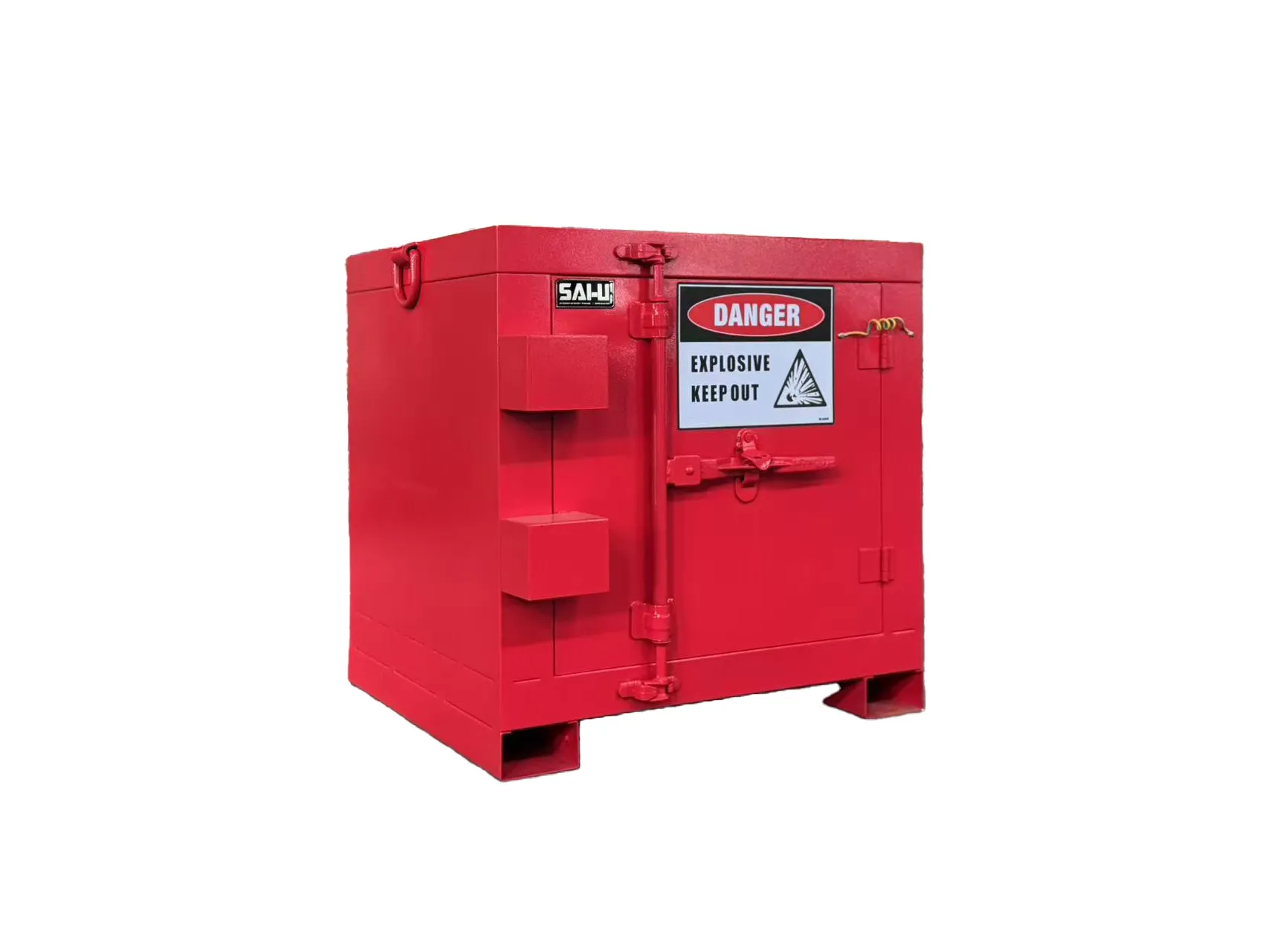
    • Maintain accurate labeling — Ensure containers and storage areas are clearly labeled with contents, hazards, and dates to prevent confusion. Include GHS pictograms, signal words like "Danger," and phrases such as "Flammable Liquid"; date containers upon receipt and first use to track shelf life. Regularly inspect and replace faded or damaged labels.


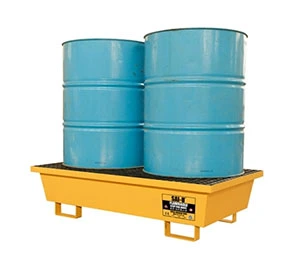
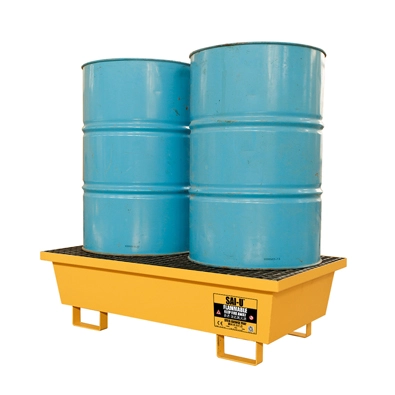
    • Prevent incompatible storage — Segregate chemicals that could react dangerously (e.g., acids from bases, oxidizers from flammables) to avoid heat generation, gas release, or explosions. Use separate cabinets or secondary containment trays; common pairings to avoid include chlorine bleach with ammonia (forms toxic chloramine gas) or hydrogen peroxide near reducing agents.


    • Design storage areas properly — Use ventilated, secure locations with spill containment, away from ignition sources, and organized by hazard class. Secure shelves to walls to prevent tipping, store liquids below eye level (ideally under 60 inches high), and use fire-rated cabinets for flammables exceeding 10 gallons; keep areas cool, dry, and locked against unauthorized access.


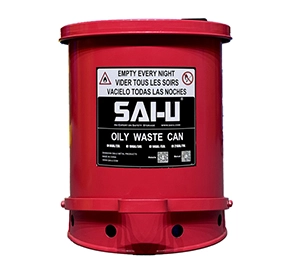
    • Manage chemical waste separately — Store waste following the same segregation and labeling rules to prevent reactions during accumulation or disposal. Use leak-proof, compatible containers marked "Hazardous Waste," signpost dedicated areas away from main storage, and dispose via licensed services per EPA/OSHA rules; inventory waste regularly to avoid buildup.


    Common Chemicals That Should Never Be Stored Together


    • Acetic acid — Avoid chromic acid, nitric acid, hydroxyl compounds (e.g., ethylene glycol), perchloric acid, peroxides, or permanganates (risk of violent oxidation or explosion).


    • Acetic anhydride — Separate from strong oxidizers or bases.


    • Chlorine or chlorine dioxide — Keep away from ammonia, methane, phosphine, hydrogen sulfide, or other reducing agents (can produce toxic gases).


    • Chromic acid or chromium trioxide — Incompatible with organics, alcohols, or reducing agents.


    • Concentrated nitric acid — Avoid organics, alcohols, reducing agents, or many nitrates (risk of fire or explosion).


    • Other critical pairs: Acids from bases (corrosive reactions), oxidizers from flammables or reducibles, water-reactive metals from moisture sources, and oxygen/compressed gases from flammables.


    Always consult the SDS for your specific chemicals, as this list is not exhaustive.


    By following OSHA guidelines, using approved cabinets, and practicing diligent segregation, laboratories and workplaces can significantly reduce chemical-related hazards. Regular training, inventory audits, and updates to the latest regulations ensure ongoing safety. Prioritize prevention—safe storage protects people, property, and the environment.


    References