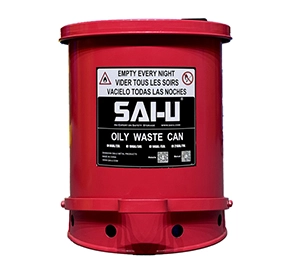
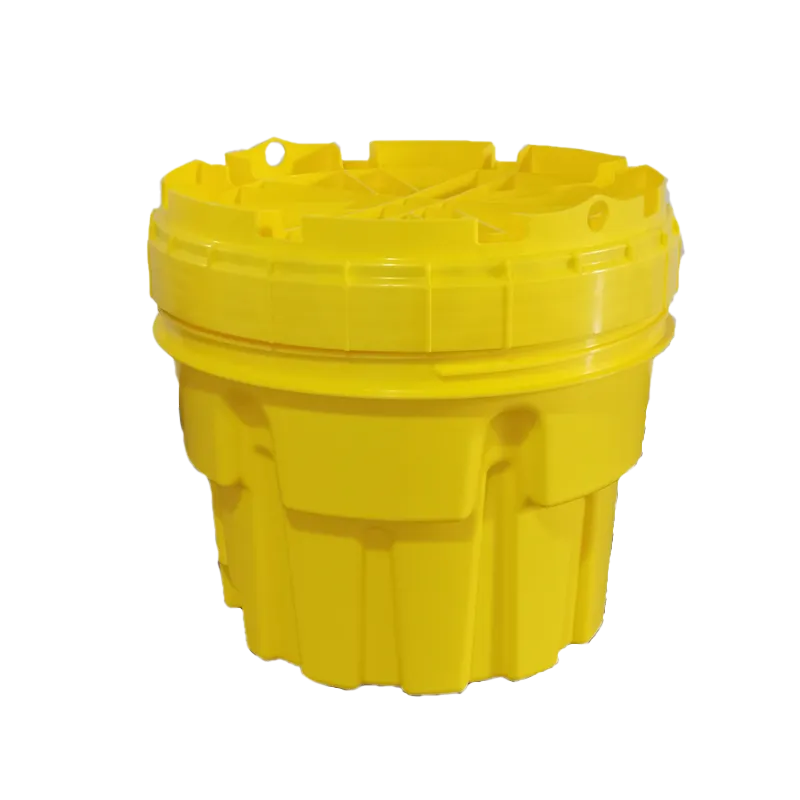
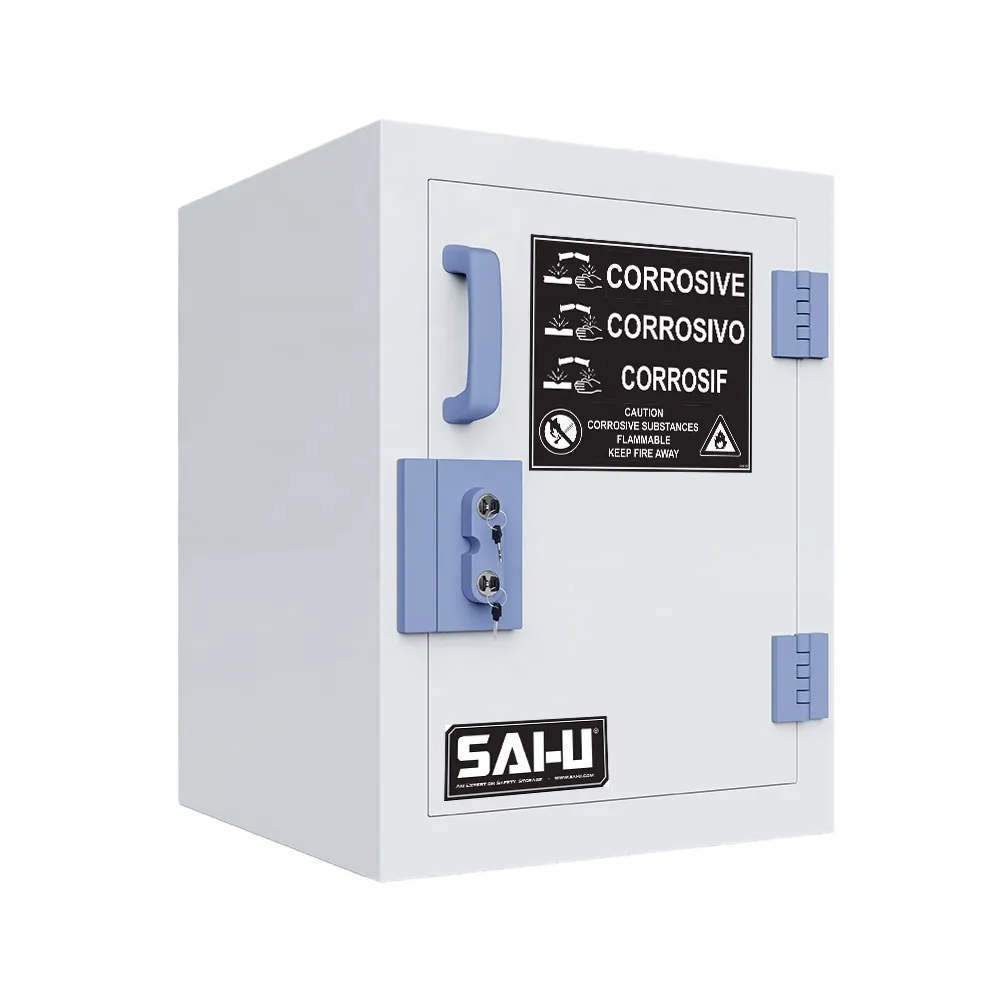
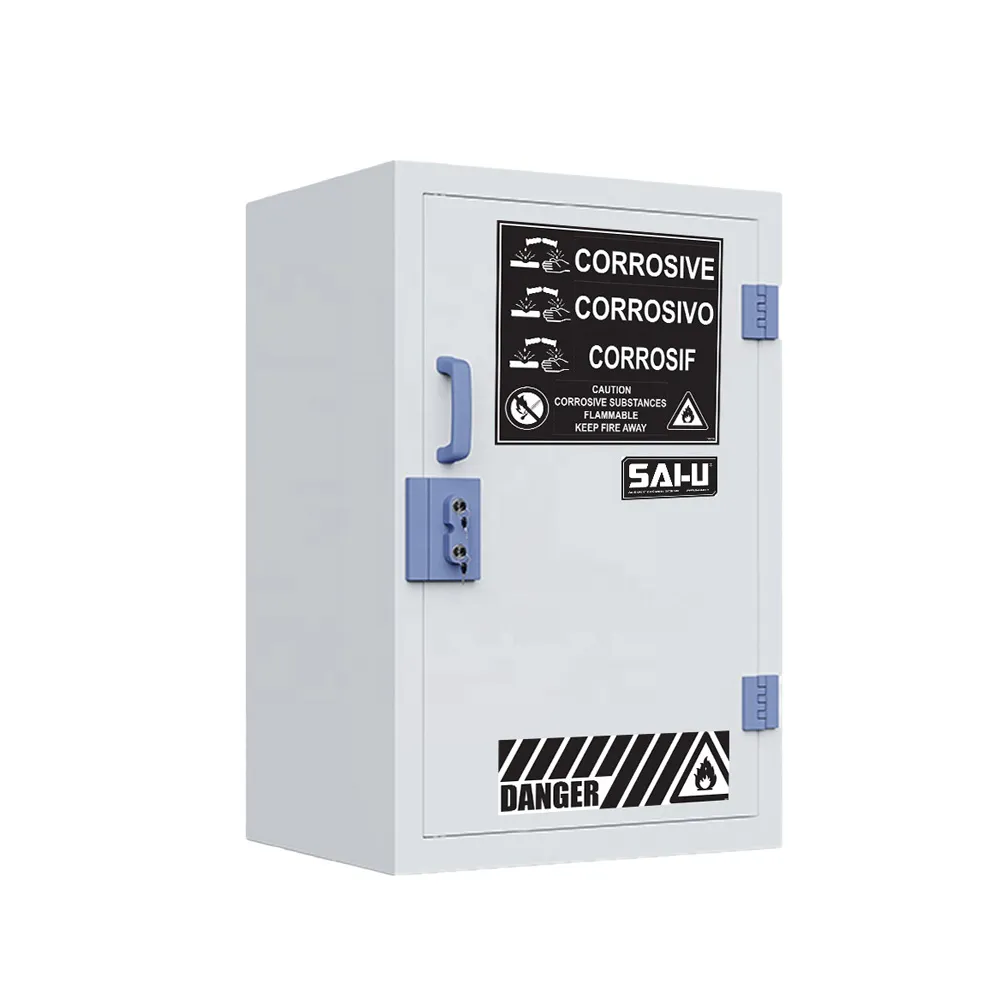
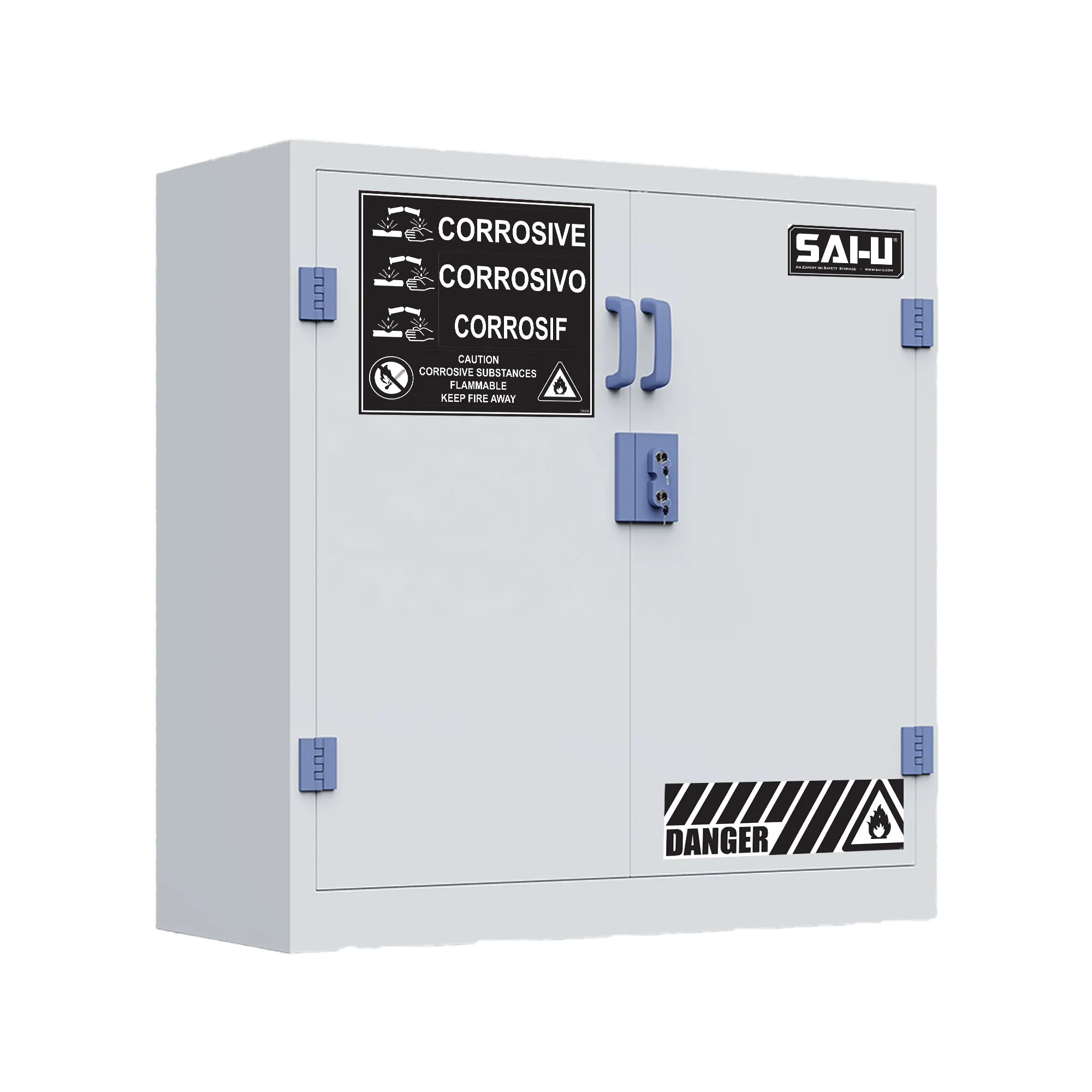
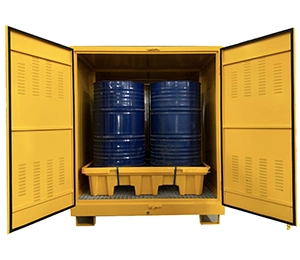
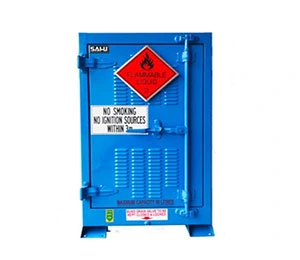
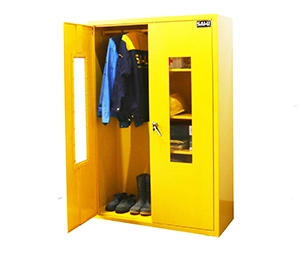
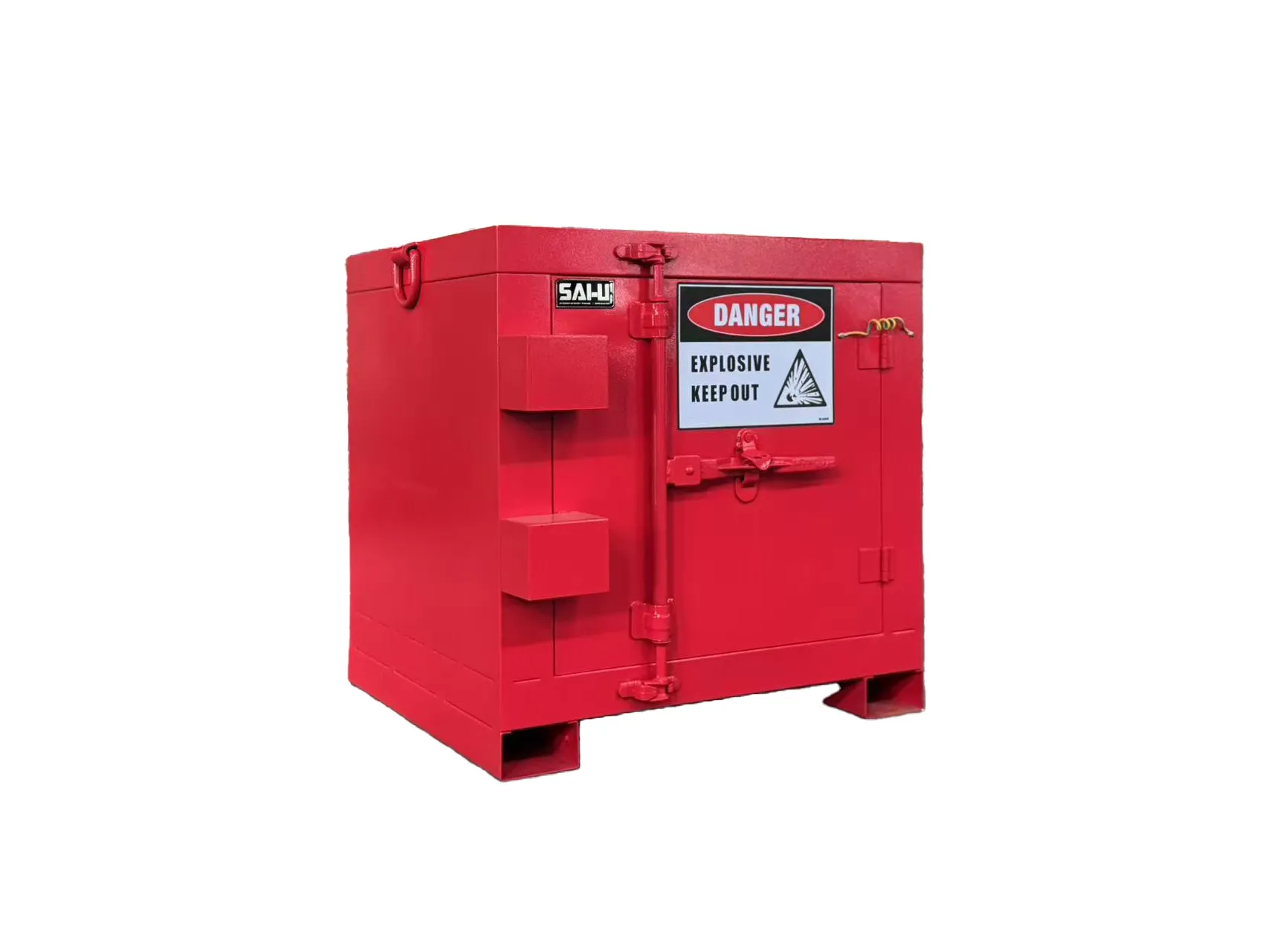
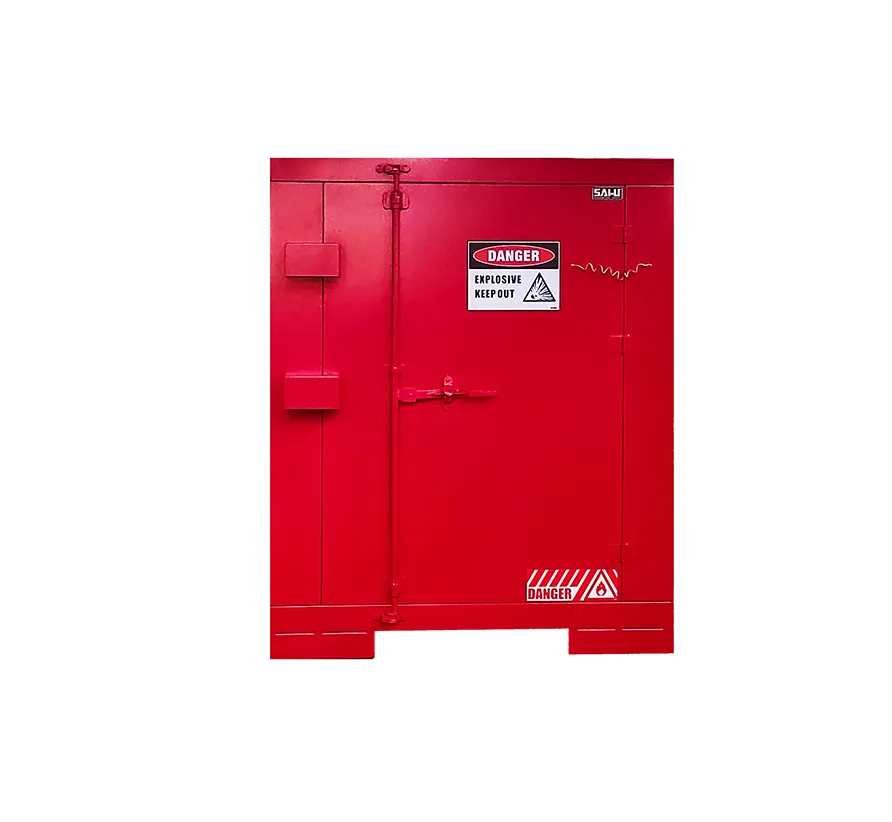
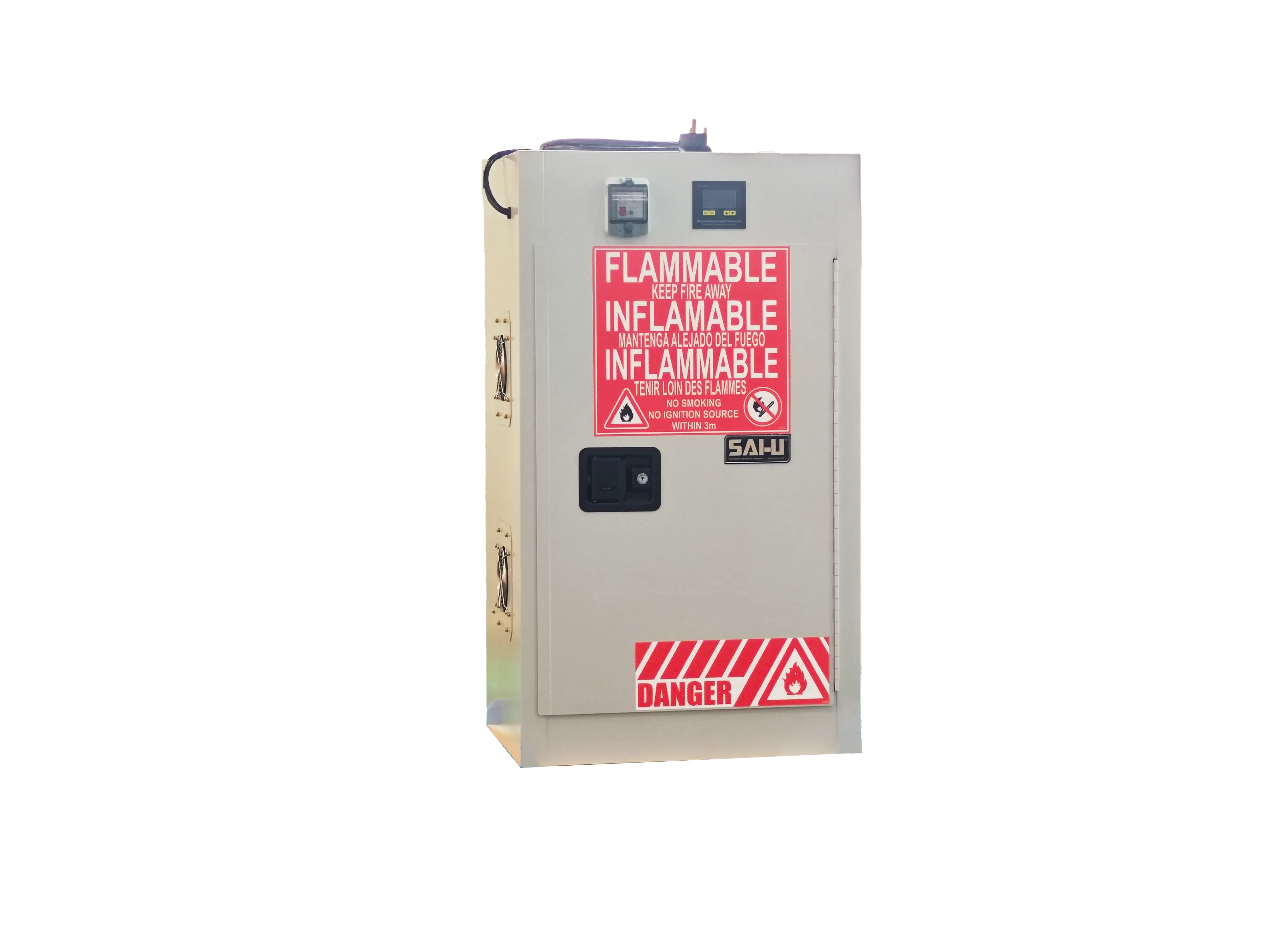
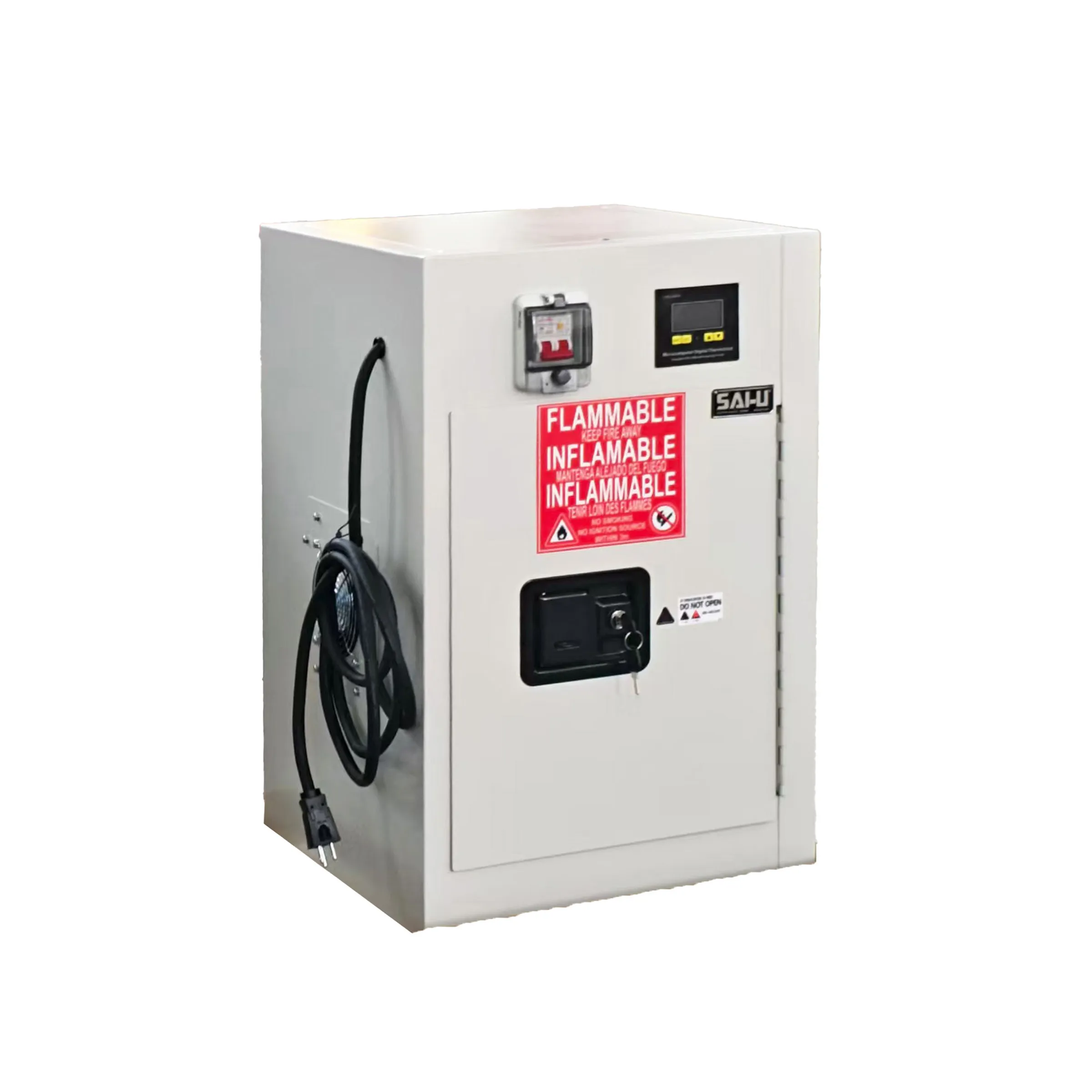
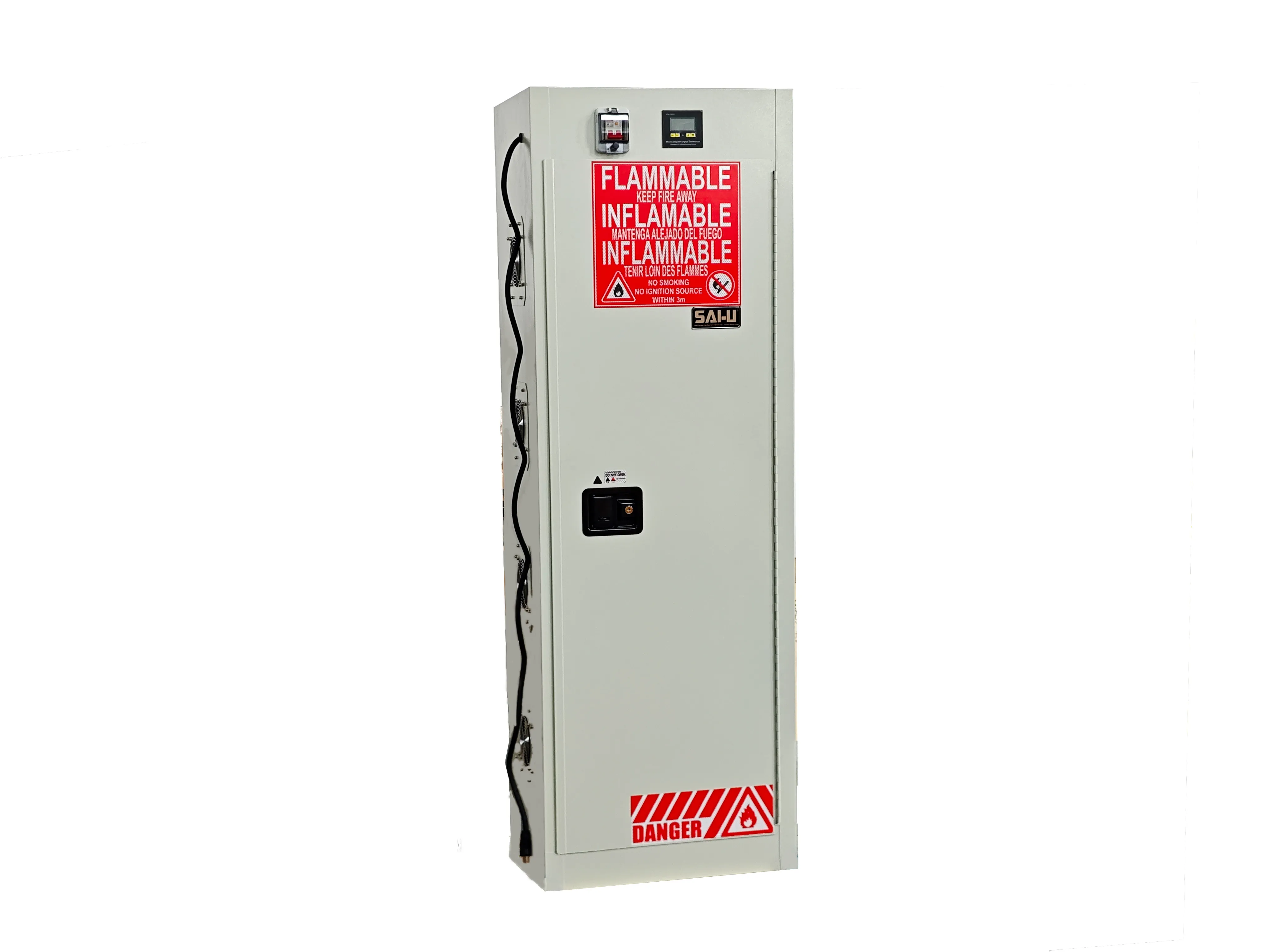
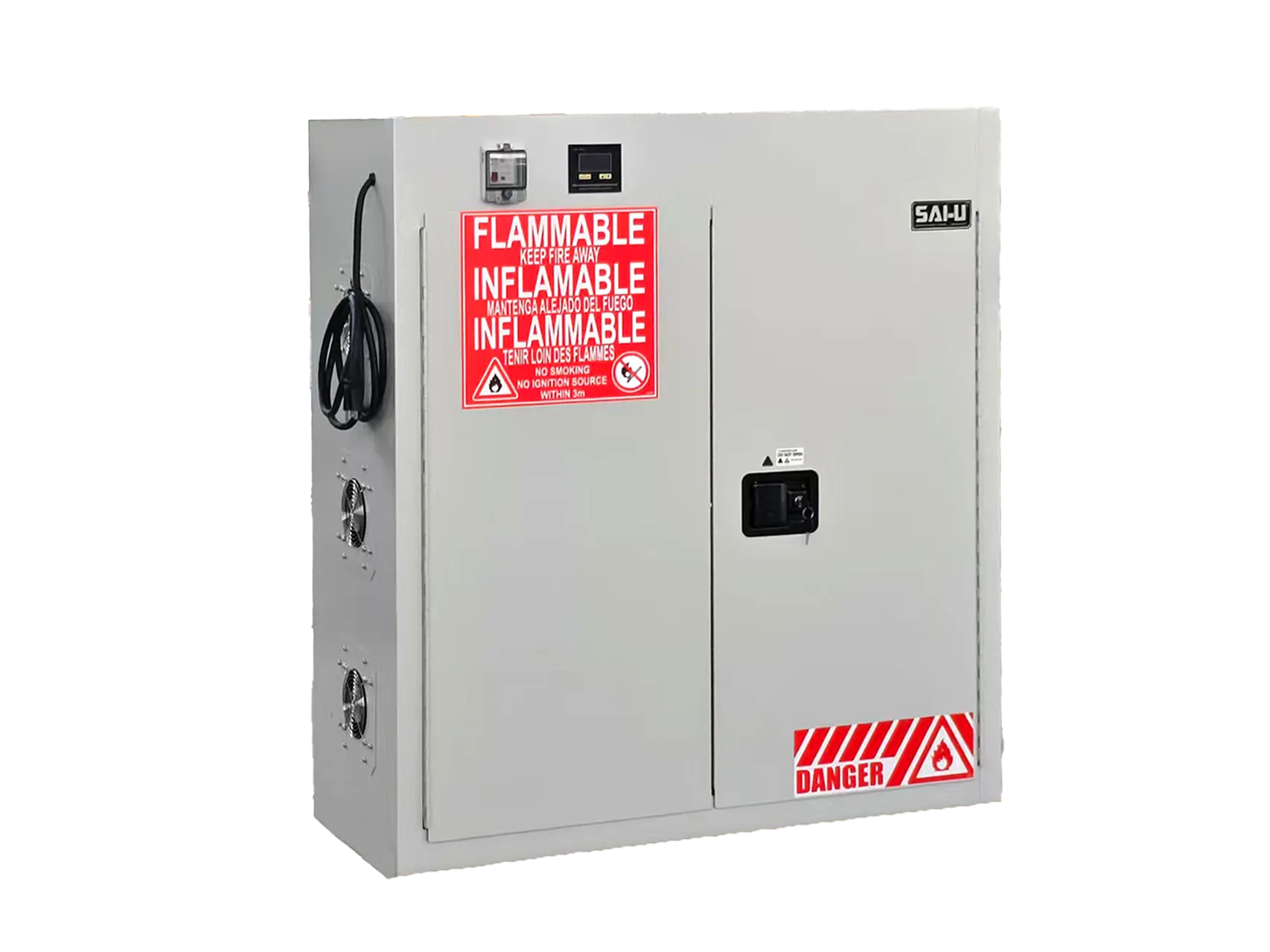
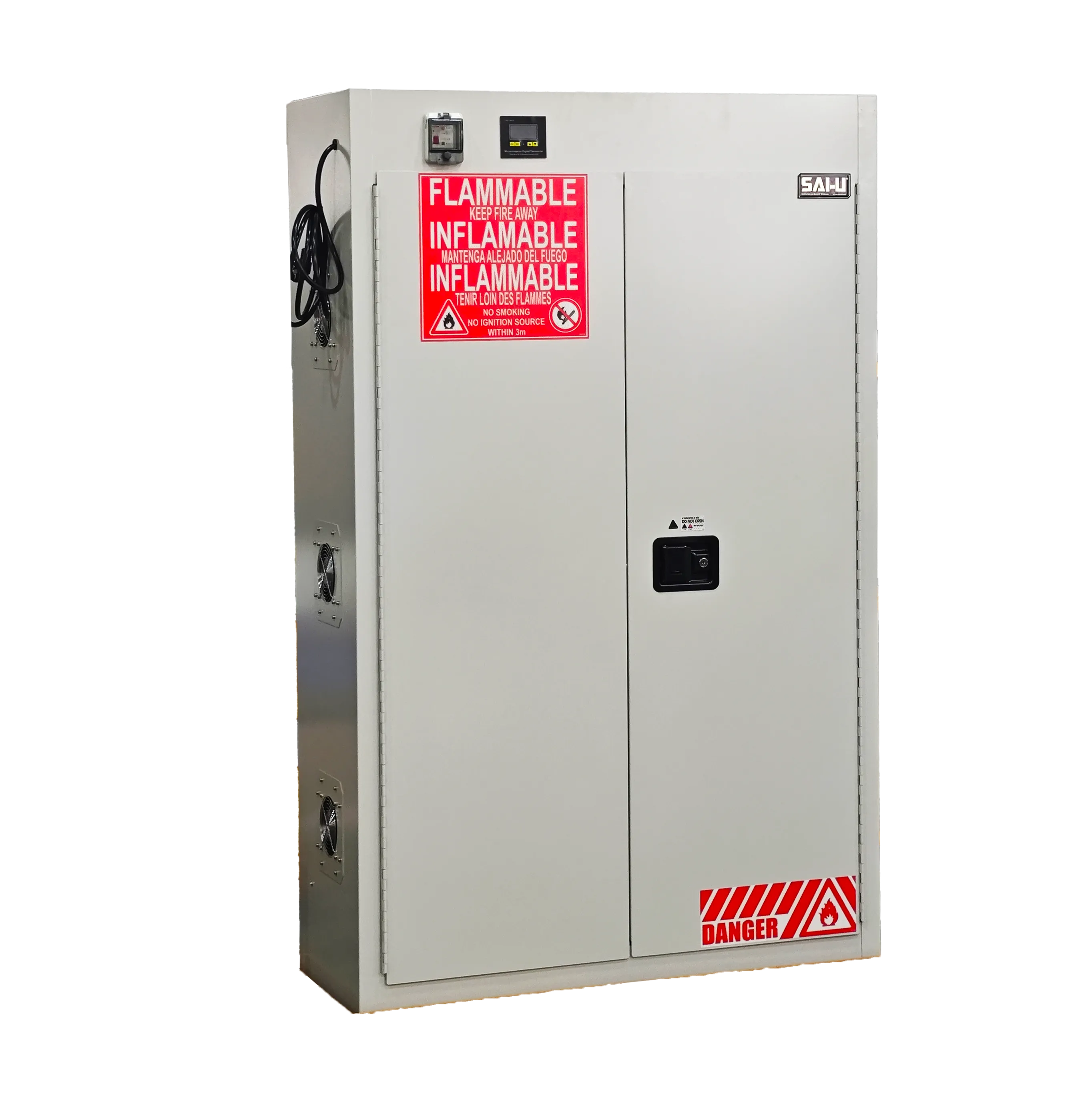
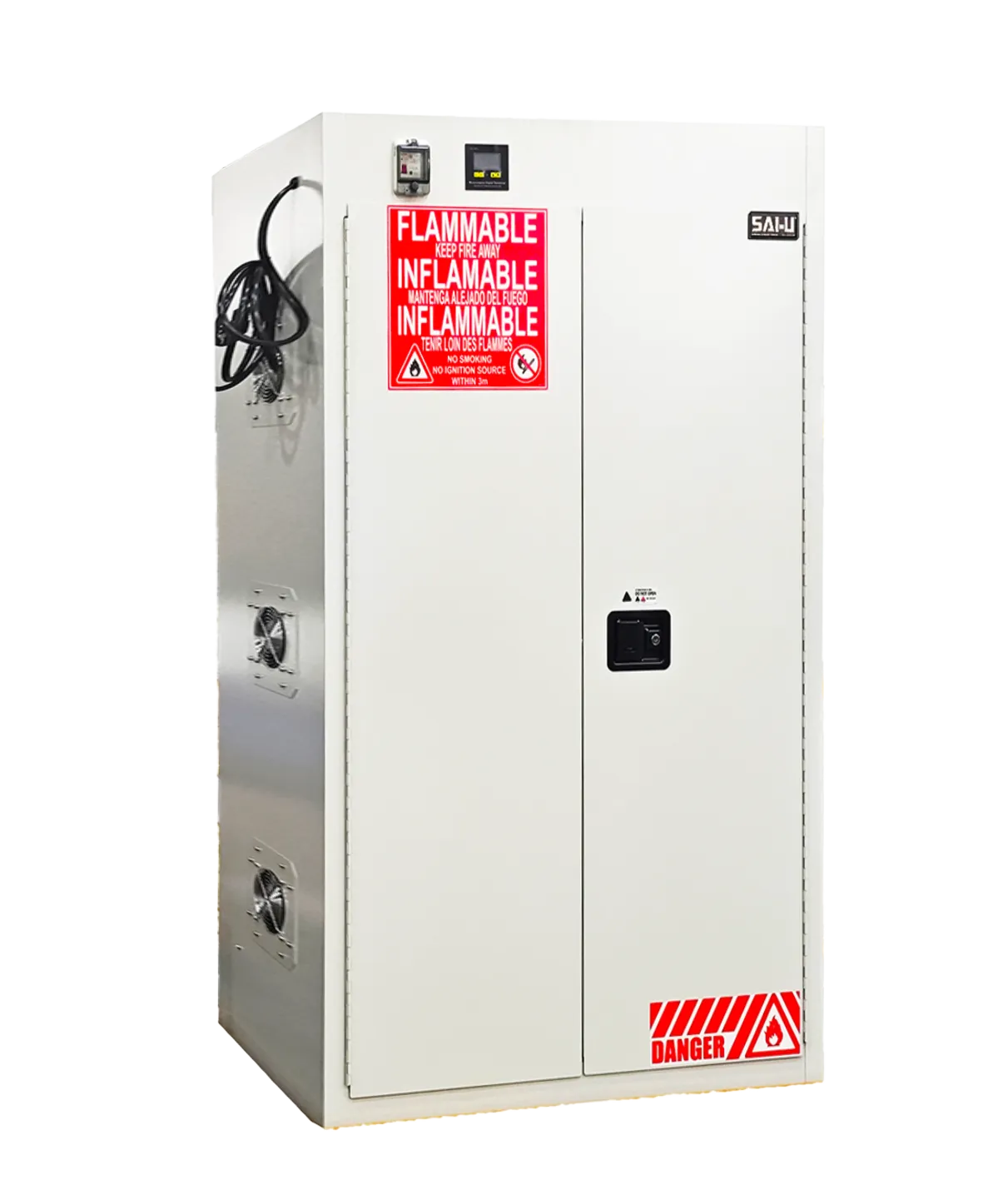
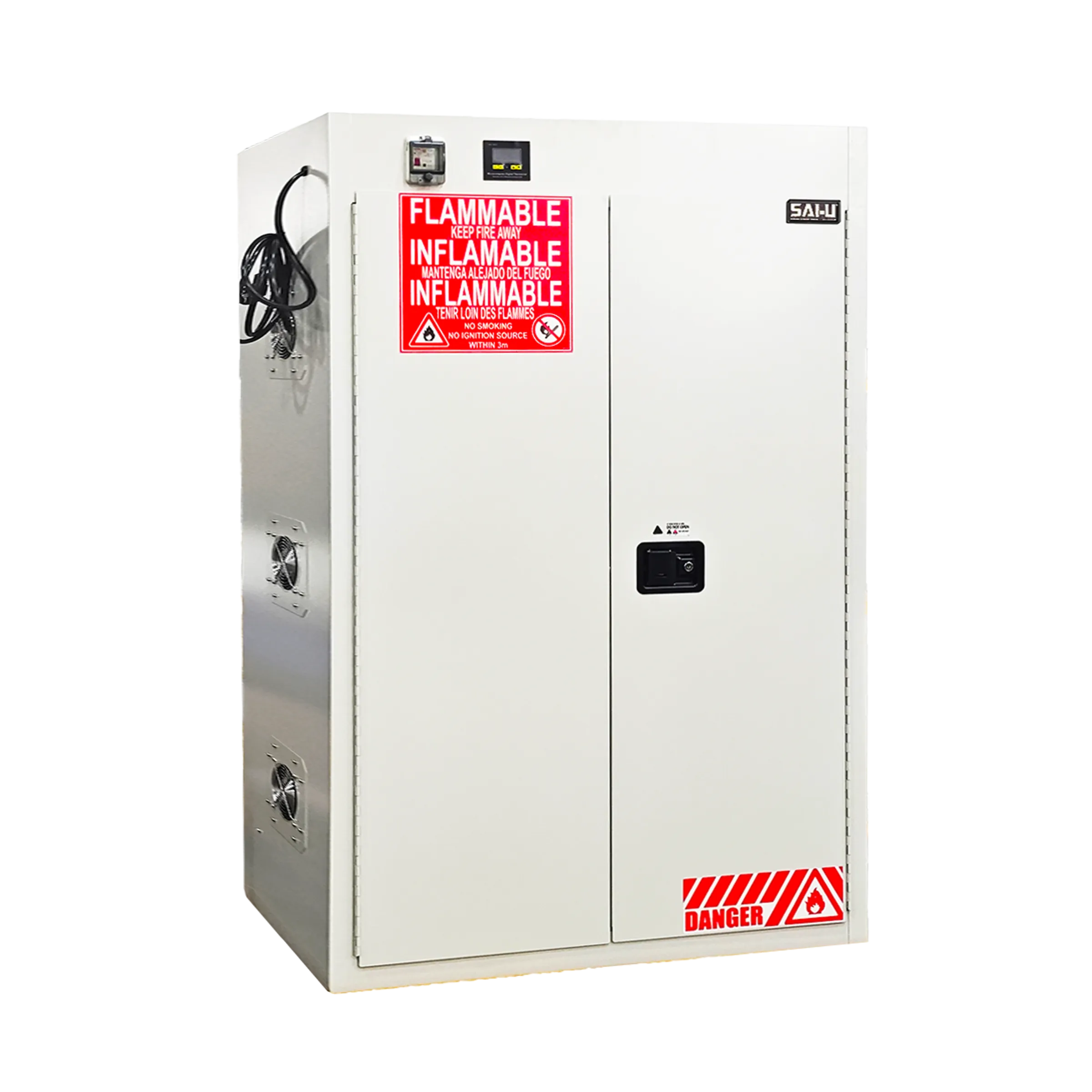
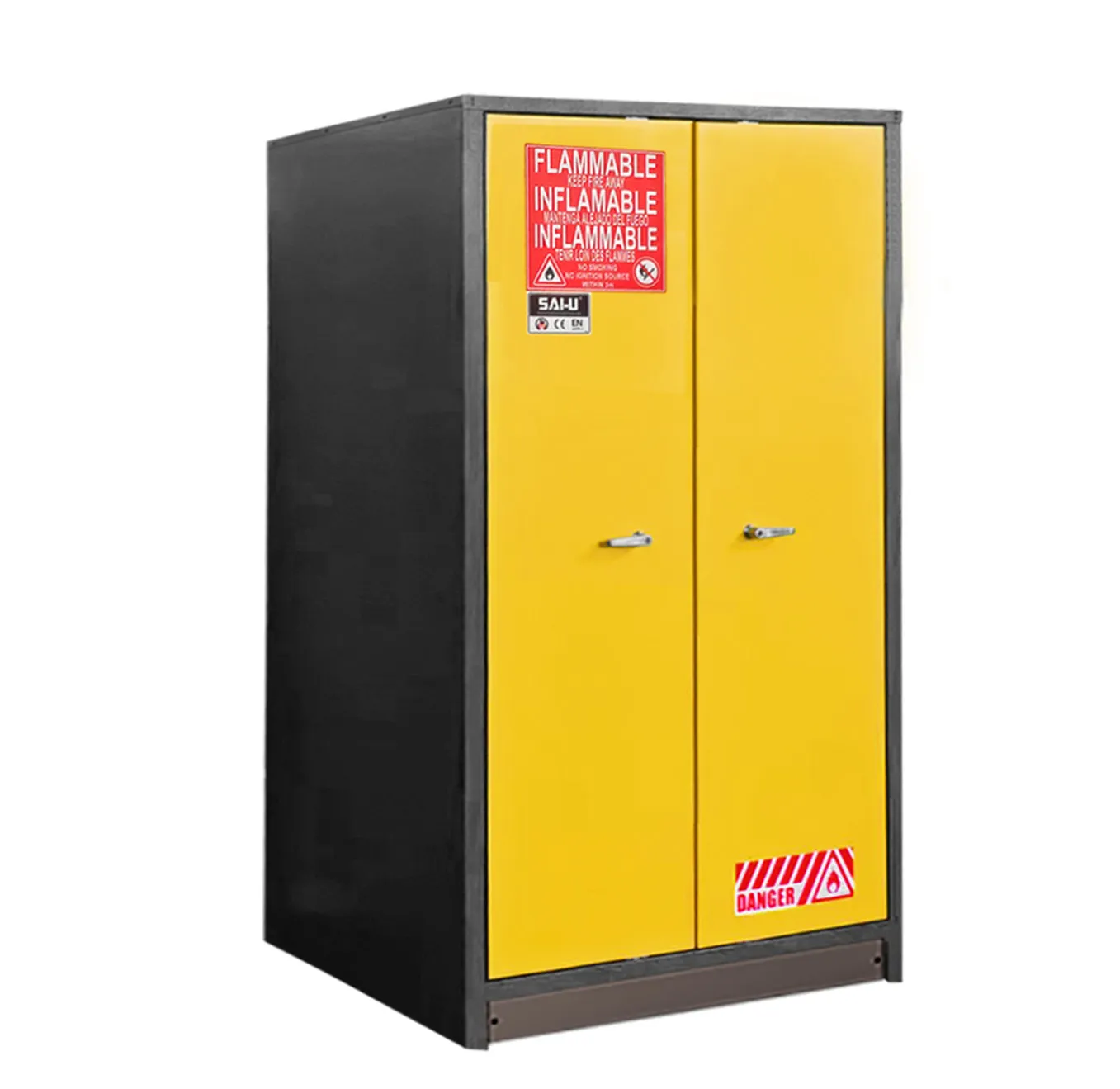
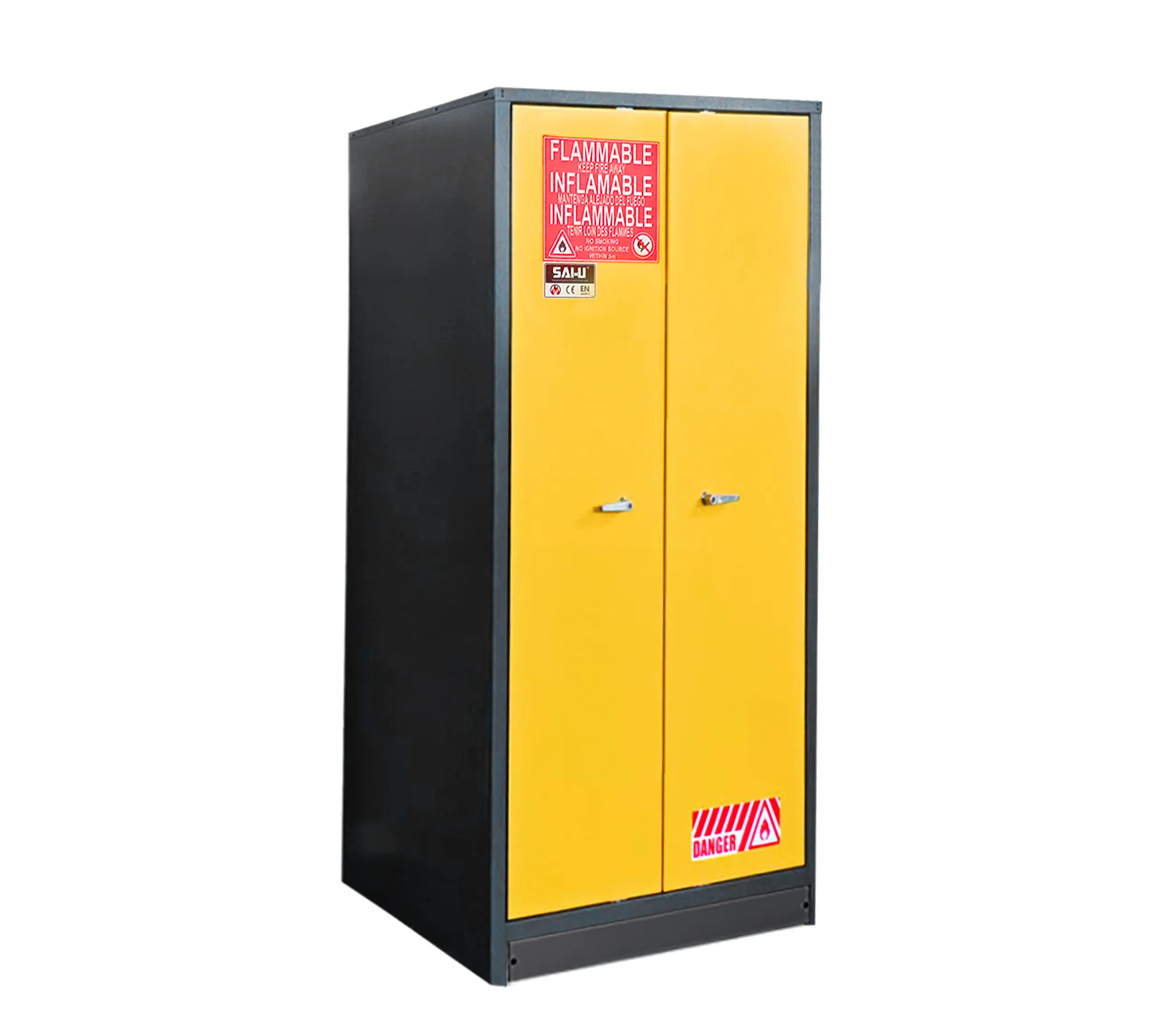
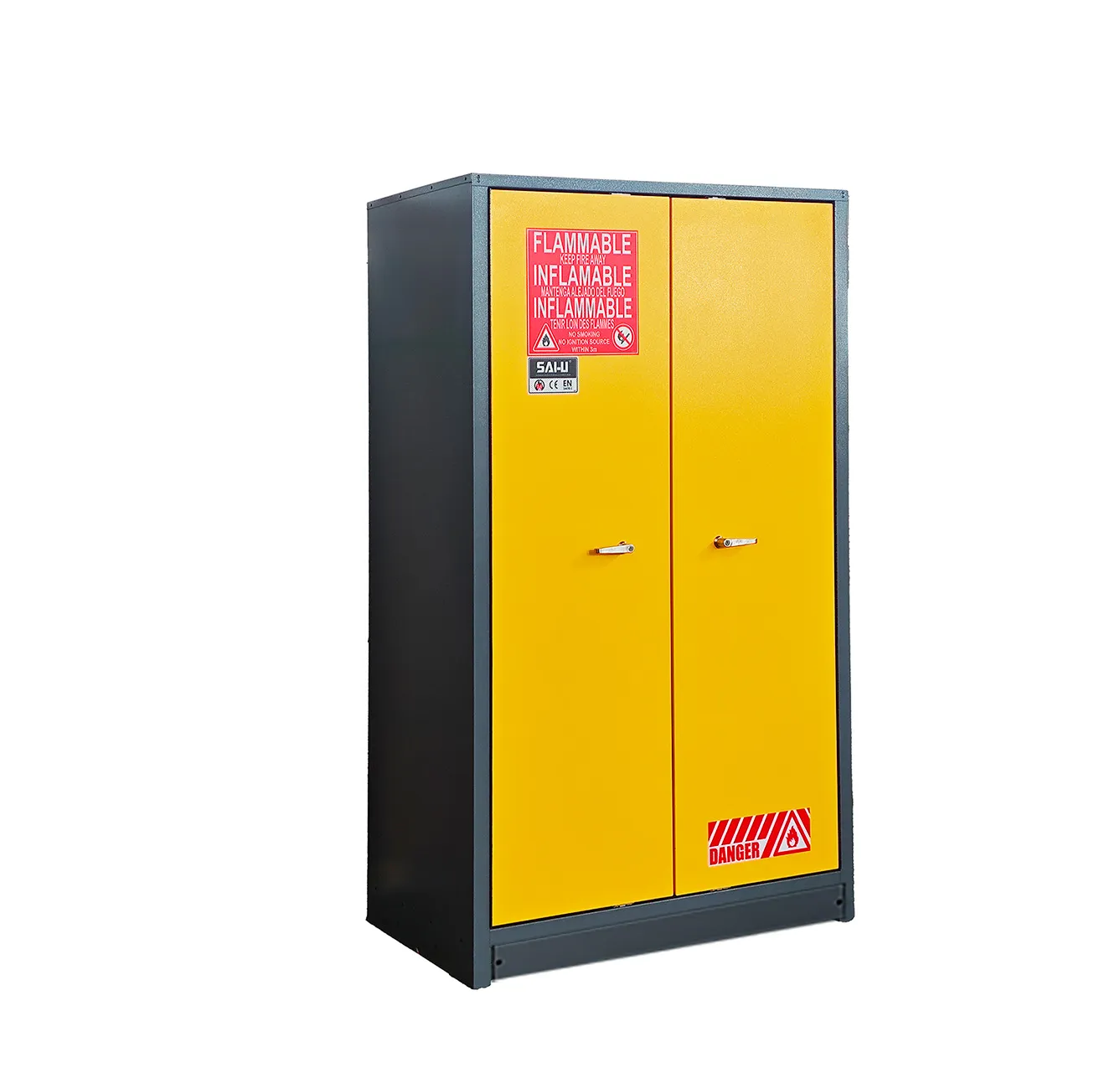
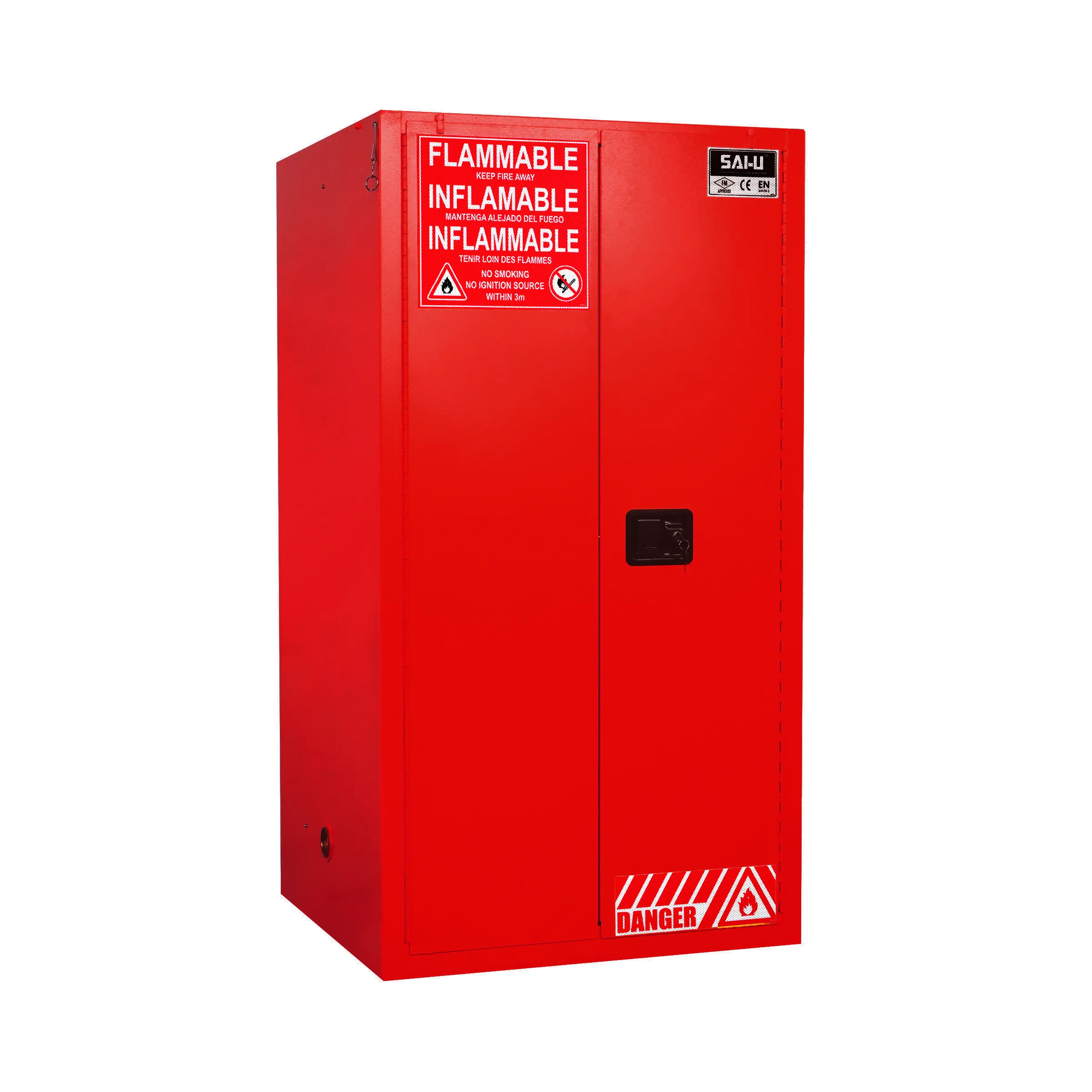
Laboratories are dynamic environments where various chemicals play essential roles in research, testing, and analysis. Storing these substances safely is vital not only for protecting personnel but also for maintaining chemical integrity and complying with safety regulations. Lab chemical storage cabinets, such as those from SAI U, are specifically engineered to secure hazardous materials and minimize the risks of spills, leaks, or harmful exposures.
This guide explains ten key practices for effectively using these cabinets. It covers everything from organizing and separating chemicals to routine maintenance and regulatory compliance. Applying these guidelines helps laboratory teams safeguard their well-being, maintain chemical reliability, and uphold safety standards.
Classify Lab Chemical Storage Cabinets
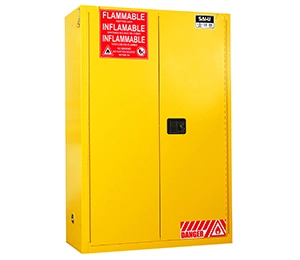
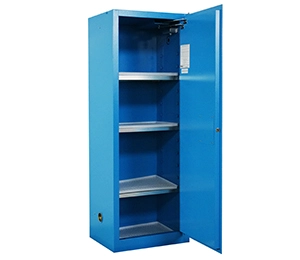
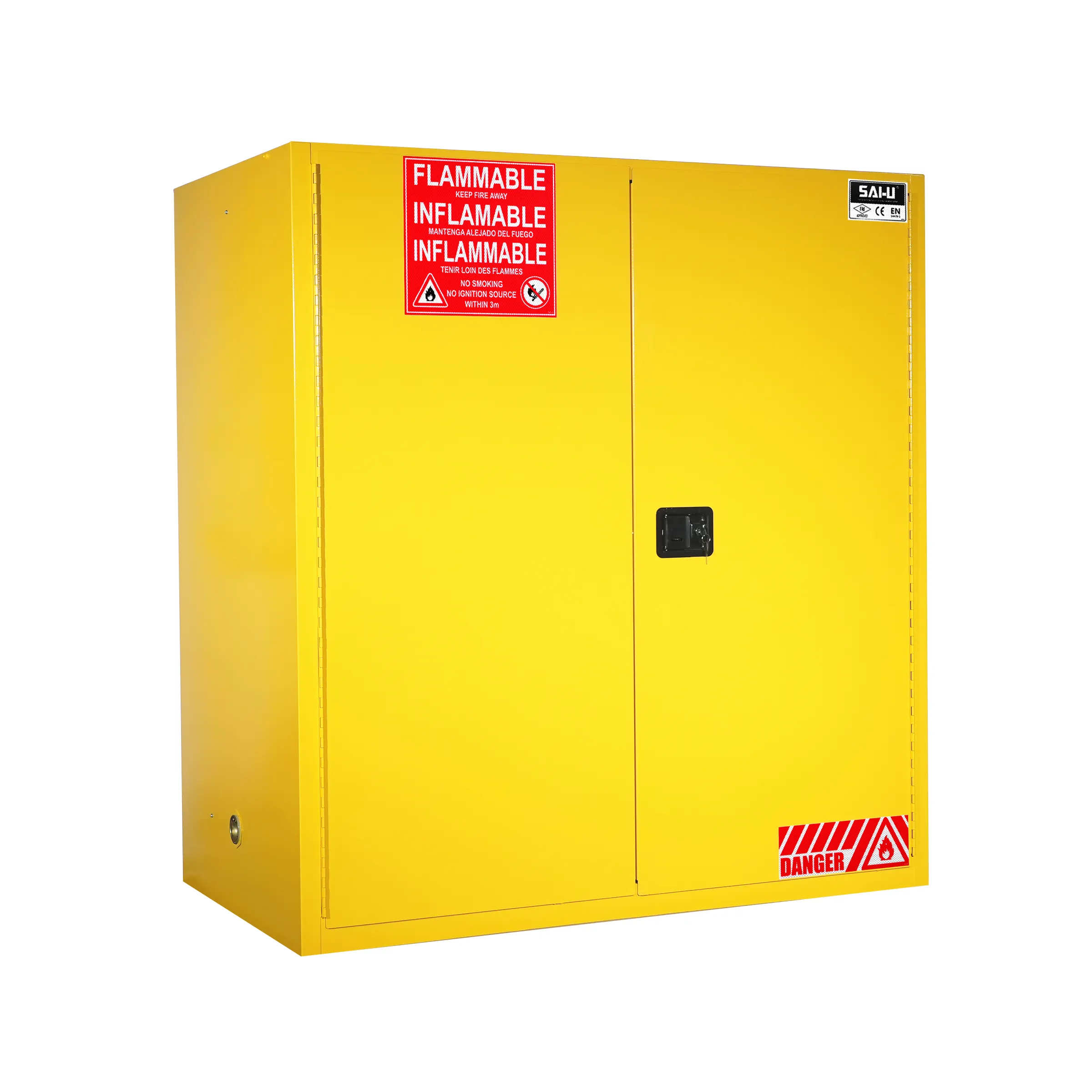
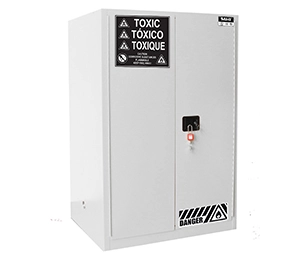
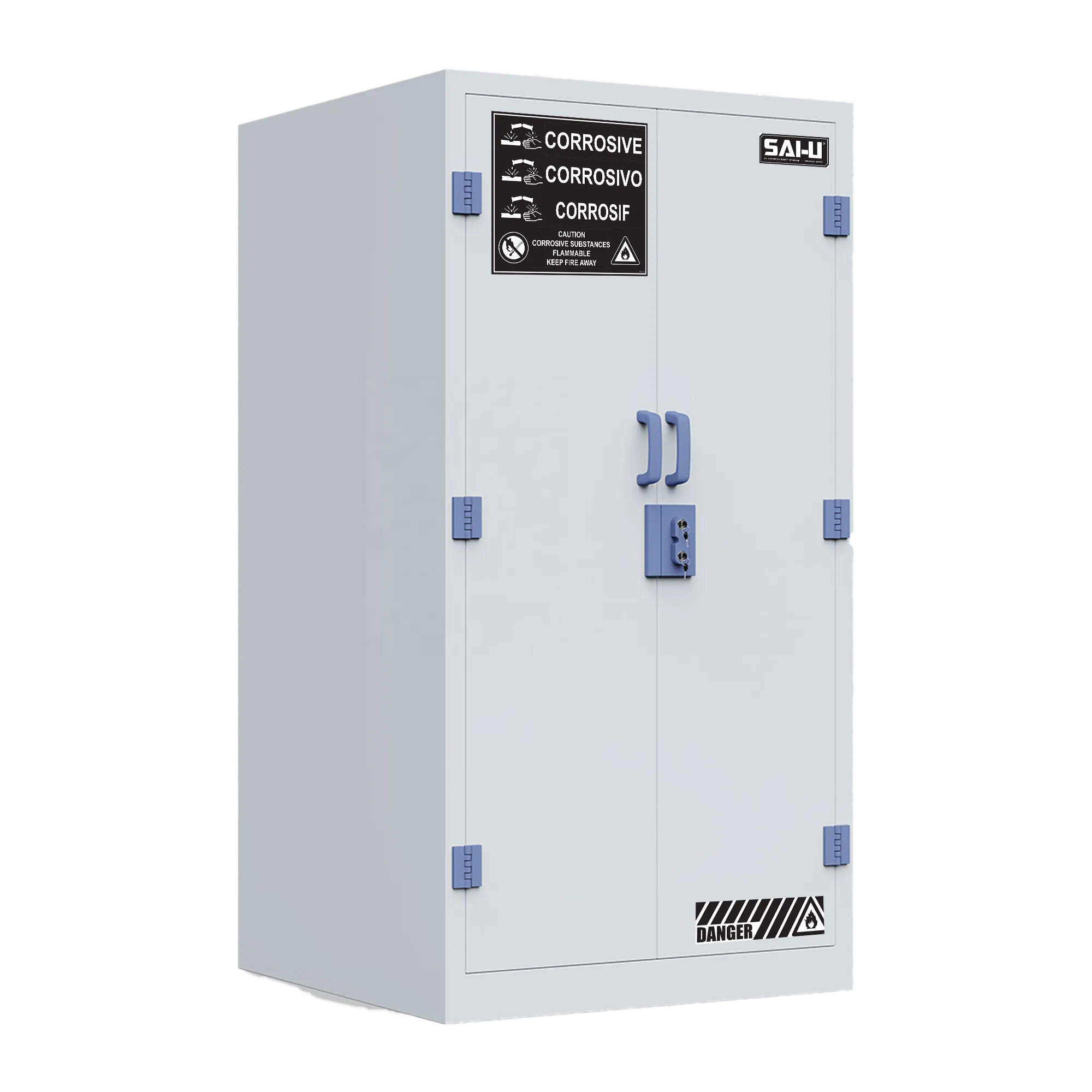
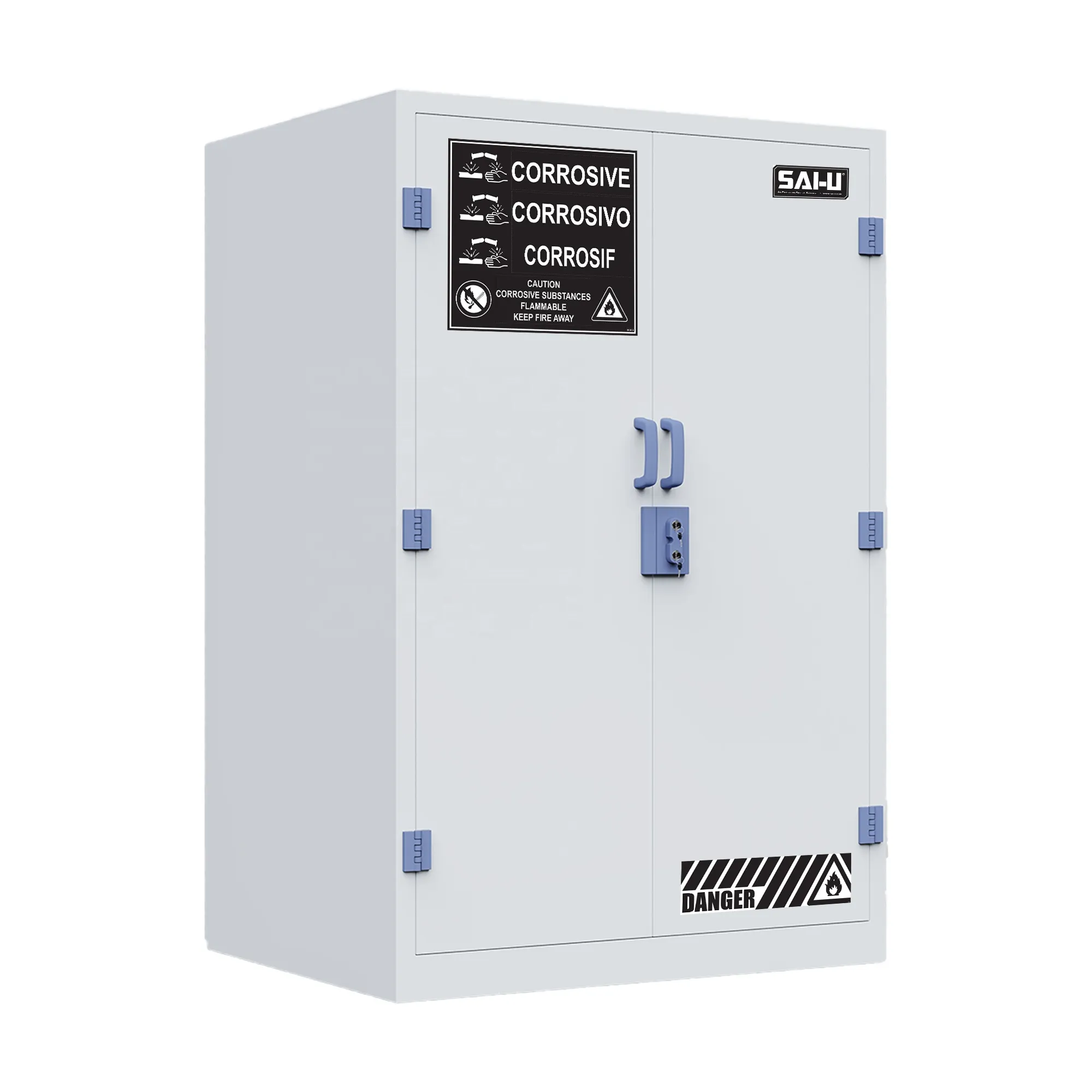
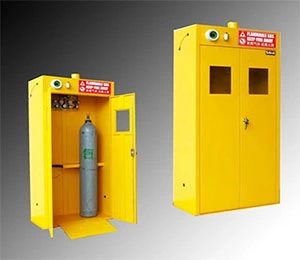
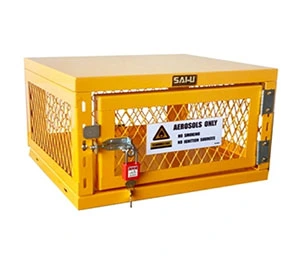
Different types of lab chemical storage cabinets are designed to manage specific hazards. Flammable storage cabinets are built from double-walled steel with venting systems that protect against high heat and fire, making them suitable for storing flammable liquids and gases. Corrosive cabinets, typically made from polyethylene or stainless steel, are ideal for acids, bases, and similarly aggressive chemicals, often incorporating venting and spill-collection features to handle corrosive fumes safely. Cabinets made for toxic or highly hazardous materials include reinforced locks and built-in ventilation to prevent vapor release and unauthorized access. General-purpose cabinets, meanwhile, serve for non-hazardous or low-risk substances that do not require advanced containment features.
Properly Segregate Chemicals
Effective use of chemical storage cabinets starts with segregating chemicals by compatibility to prevent dangerous reactions, including fires or toxic gas releases. Referring to chemical compatibility charts and safety data sheets ensures that substances are grouped safely. Segregation should also occur by hazard type—flammables, corrosives, oxidizers, and toxics—so each classification remains isolated. Within cabinets, adding spill trays or other forms of secondary containment provides an extra layer of protection, keeping leaks from spreading and reducing contamination risks.
Label and Organize Chemicals Clearly
Every chemical stored in a lab cabinet must have a clear, durable label that includes its name, hazard class, and important safety information. Faded or damaged labels should be replaced immediately to maintain readability. Effective labeling goes hand in hand with accurate inventory tracking, ensuring that records show the name, quantity, storage location, and expiration date of each substance. Keeping these records updated prevents overstocking and supports efficient hazard management. Inside the cabinet, chemicals should be placed strategically—heavier containers on lower shelves, lighter ones above, frequently used items within easy reach, and rarely used chemicals stored farther back.
Ensure Proper Ventilation
When storing chemicals that release harmful vapors, ventilated cabinets are essential. Designed to draw out vapors safely and discharge them outside, these systems reduce exposure risks for lab workers. Ventilation setups must match the specific vapor type and concentration of the stored substances, and regular inspections are crucial to maintain their performance. For chemicals that produce minimal vapors, non-ventilated cabinets may suffice as long as they are well sealed and placed in rooms with adequate airflow.
Implement Spill Control Measures
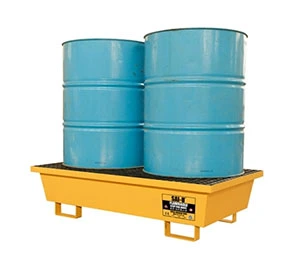
Spill control is a critical safety practice. Cabinets should include containment trays or pallets capable of holding the full capacity of the largest chemical container to prevent spills from spreading. Absorbent materials, such as pads or socks suited to the chemicals in use, should be readily available to address leaks quickly. Laboratories also need a detailed spill response plan outlining containment steps, cleanup procedures, protective gear, and emergency contact information. Periodic drills and refresher training help ensure staff can respond confidently if a spill occurs.
Maintain Proper Temperature and Humidity Control
Many chemicals are sensitive to environmental changes. Cabinets should be placed in temperature-controlled areas or equipped with built-in systems that maintain stable conditions according to manufacturer specifications. Fluctuations in humidity can also affect chemical stability—high levels may damage moisture-absorbing materials, while low levels can cause others to dry out. To mitigate this, cabinets should be kept in humidity-regulated spaces, with desiccants or monitors added as necessary. Installing sensors and alarms to track both temperature and humidity ensures immediate notification of any deviations.
Regularly Inspect and Maintain Cabinets
Routine inspection and maintenance are essential to the continued safety of chemical storage cabinets. Cabinets should be checked regularly for signs of corrosion, rust, leaks, or mechanical damage, and all hinges, doors, locks, and ventilation parts should function properly. Any issues should be repaired immediately. Cleaning and decontamination should follow procedures specific to the chemicals stored, and repairs or part replacements should be handled by qualified technicians. Consistent maintenance keeps cabinets functioning reliably and extends their lifespan.
Train Laboratory Personnel
Laboratory safety depends on knowledgeable personnel. All staff who handle chemicals or access storage cabinets must receive thorough training covering safe handling, labeling, disposal procedures, and cabinet operation. Emergency training—covering spill management, fire response, and evacuation—is equally important and should be reinforced through regular drills. Access to chemical storage areas should be restricted to authorized, trained individuals to reduce risk and maintain accountability.
Comply with Regulatory Standards
Laboratories must follow all applicable regulations governing chemical storage. In the United States, this includes OSHA standards that define safe cabinet design, labeling, and usage practices, as well as NFPA codes that regulate fire safety for flammable substances. Beyond these, labs must stay informed about changing local, national, and international laws that may affect chemical storage requirements. Remaining current with updates prevents violations and reinforces safety culture.
Implement a Chemical Management Program
Finally, every lab should establish a comprehensive chemical management program to oversee all stages of handling, from purchasing and storage to disposal. This system should include a complete inventory, standardized procedures, and regular audits to eliminate expired or misplaced materials. Risk assessments help identify potential hazards and guide improvements in storage protocols. Because best practices and regulations evolve, the program should be reviewed and updated regularly. Involving staff feedback further strengthens safety outcomes and operational efficiency.
Lab chemical storage cabinets are indispensable for maintaining a secure and organized laboratory environment. Applying best practices—from careful segregation and labeling to ventilation, training, and compliance—ensures that hazardous materials are managed safely and effectively. Regular inspections, proper environmental control, and comprehensive management programs all contribute to reducing risks and enhancing workplace safety. By treating chemical storage as a proactive safety priority, laboratories create a stable foundation for scientific excellence and responsible research.
 English
  日本語
日本語  한국어
한국어  français
  Deutsch
  Español
  italiano
  русский
  português
  ไทย
ไทย  العربية