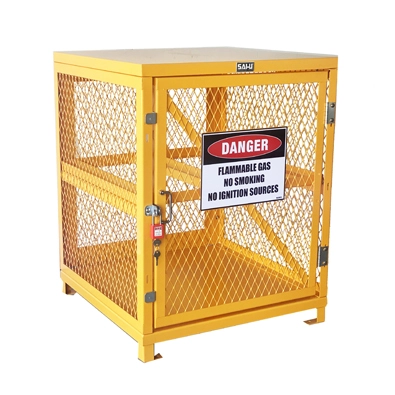
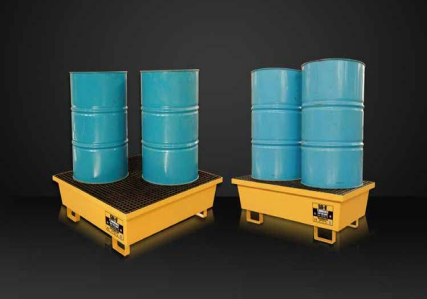
Before selecting a chemical storage cabinet, develop a comprehensive storage strategy. Involve not only laboratory users and planners but also representatives from engineering, maintenance, safety, and materials management teams. Their input helps ensure that storage solutions comply with relevant standards and are effectively implemented.
Chemicals vary widely in properties and must be grouped according to their hazard categories, such as acids, bases, flammables, explosives, pyrophorics, pesticides, and toxins. Incompatible groups should never be stored together. Always keep the Material Safety Data Sheet (MSDS) for each chemical readily available and accessible. The Globally Harmonized System (GHS) pictograms on containers provide quick visual indicators of associated risks. Clearly understand and communicate any specified storage conditions to all relevant personnel. Pay close attention to physical properties like boiling point and flash point, as these influence safe handling and storage decisions.
Adhere to your organization’s safety policies and applicable regulations. In the United States, key standards include NFPA 30 (particularly Chapter 9.5.3) and OSHA 29 CFR 1910.106, with flammables cabinets often rated by FM or UL. In Europe, EN 14470-1 applies to flammable storage. Align your laboratory’s chemical storage approach with the broader safety strategy and philosophy of the organization.
Once this foundational preparation is complete, you can proceed to select appropriate storage cabinets for each chemical group.
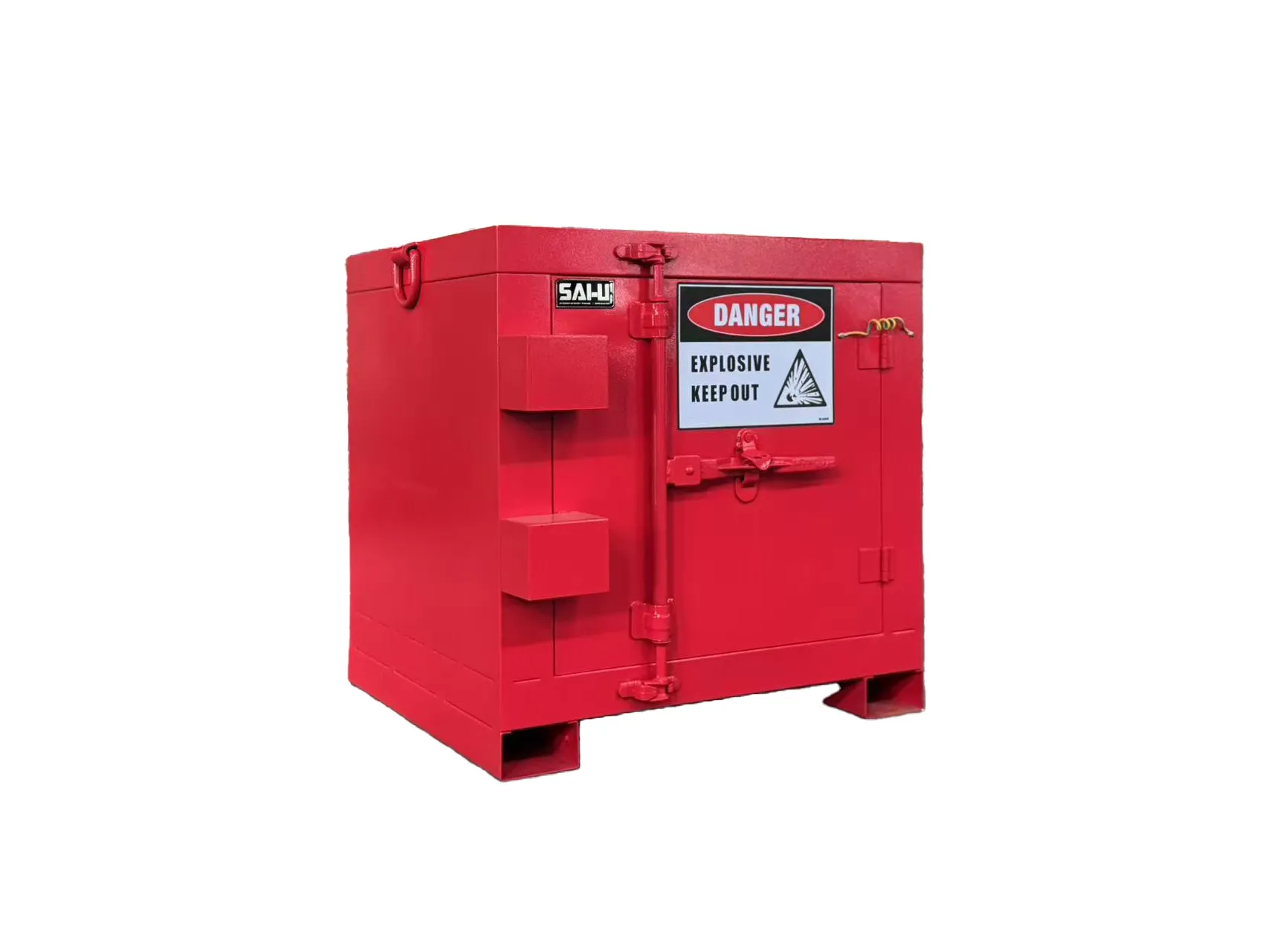
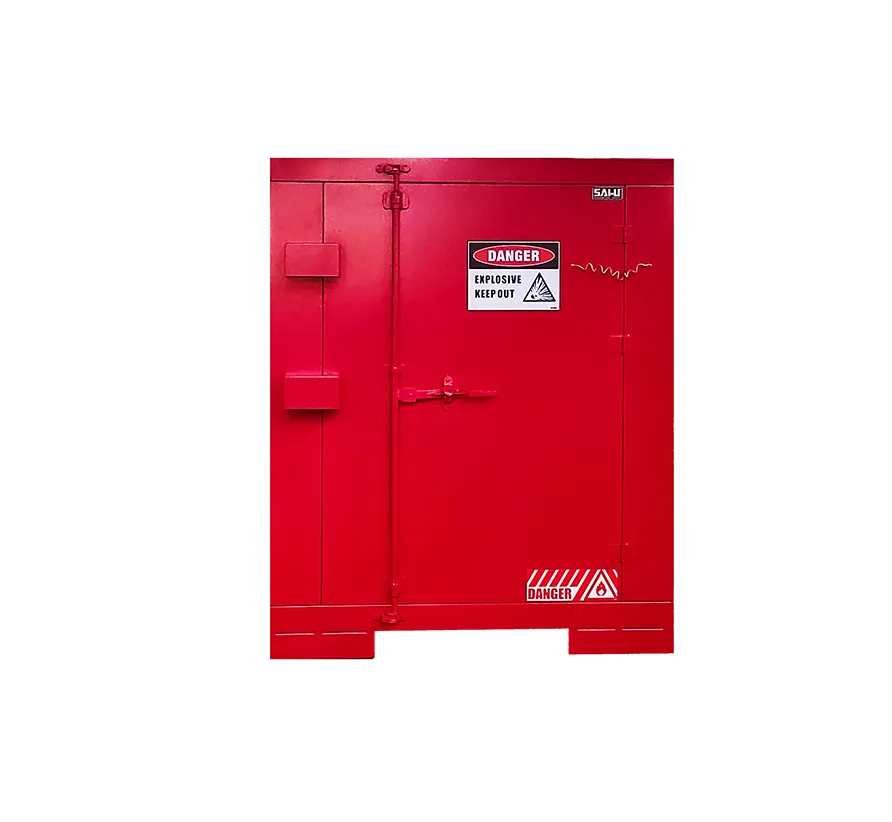
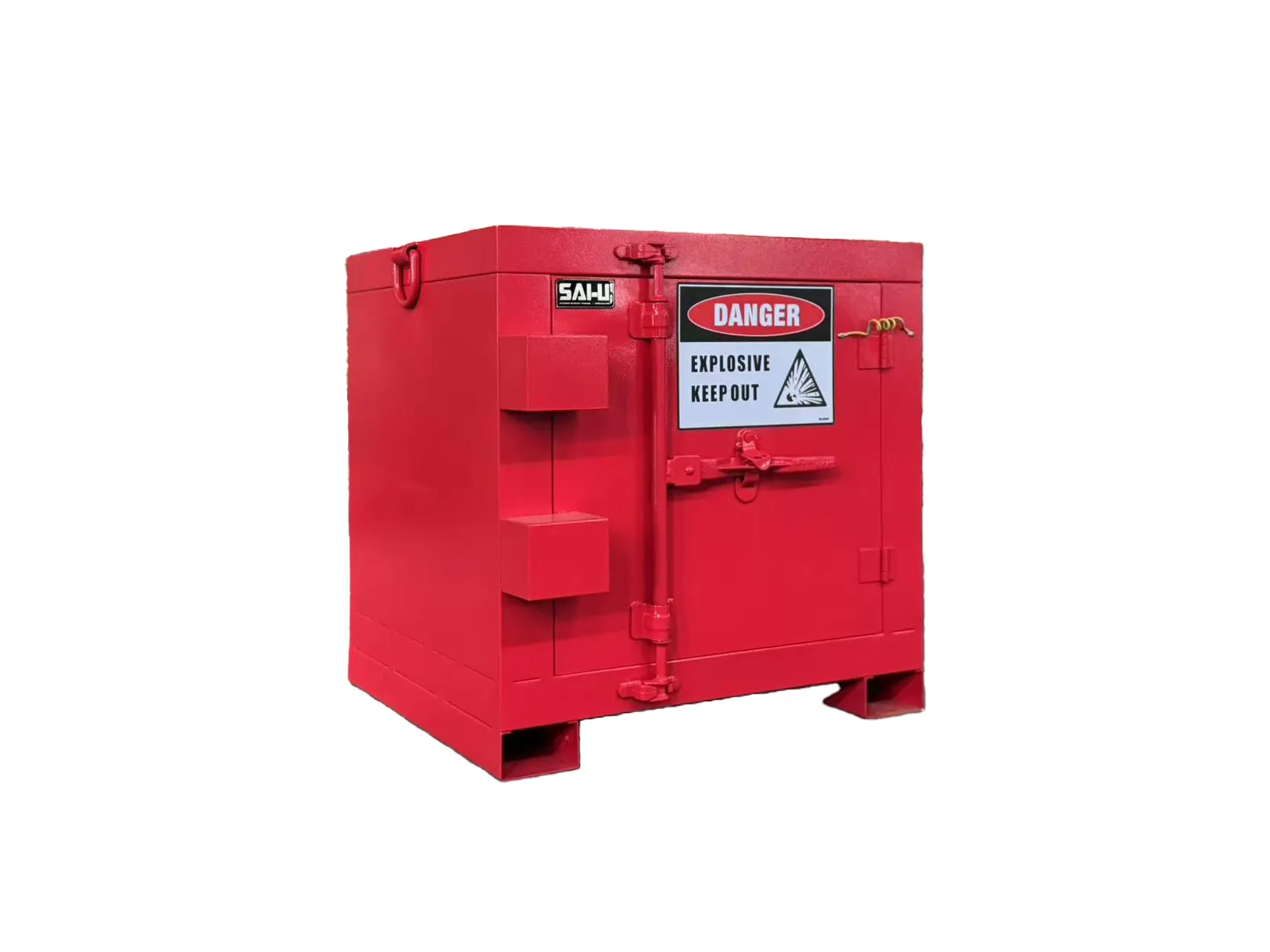
As a general rule, explosive chemicals should not be stored within the laboratory itself. Coordinate with your organization’s Environmental Health and Safety (EHS) team to address any specific requirements for these materials.
These substances often require dedicated refrigerated storage and may need to be kept in an inert atmosphere. Consult your organization’s EHS team to determine the best approach.
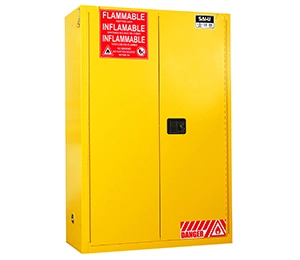
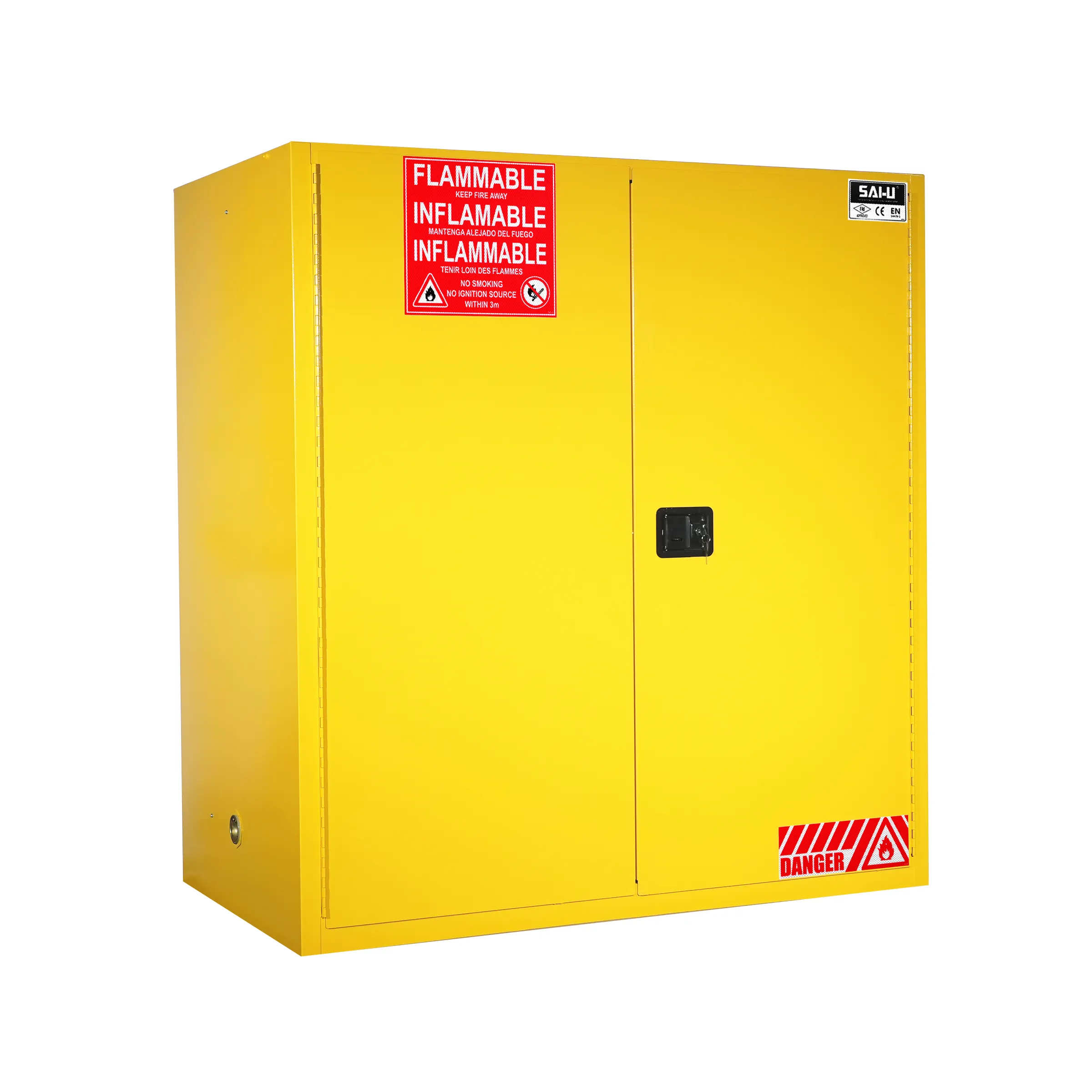
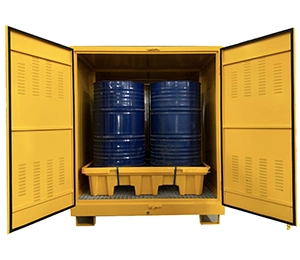
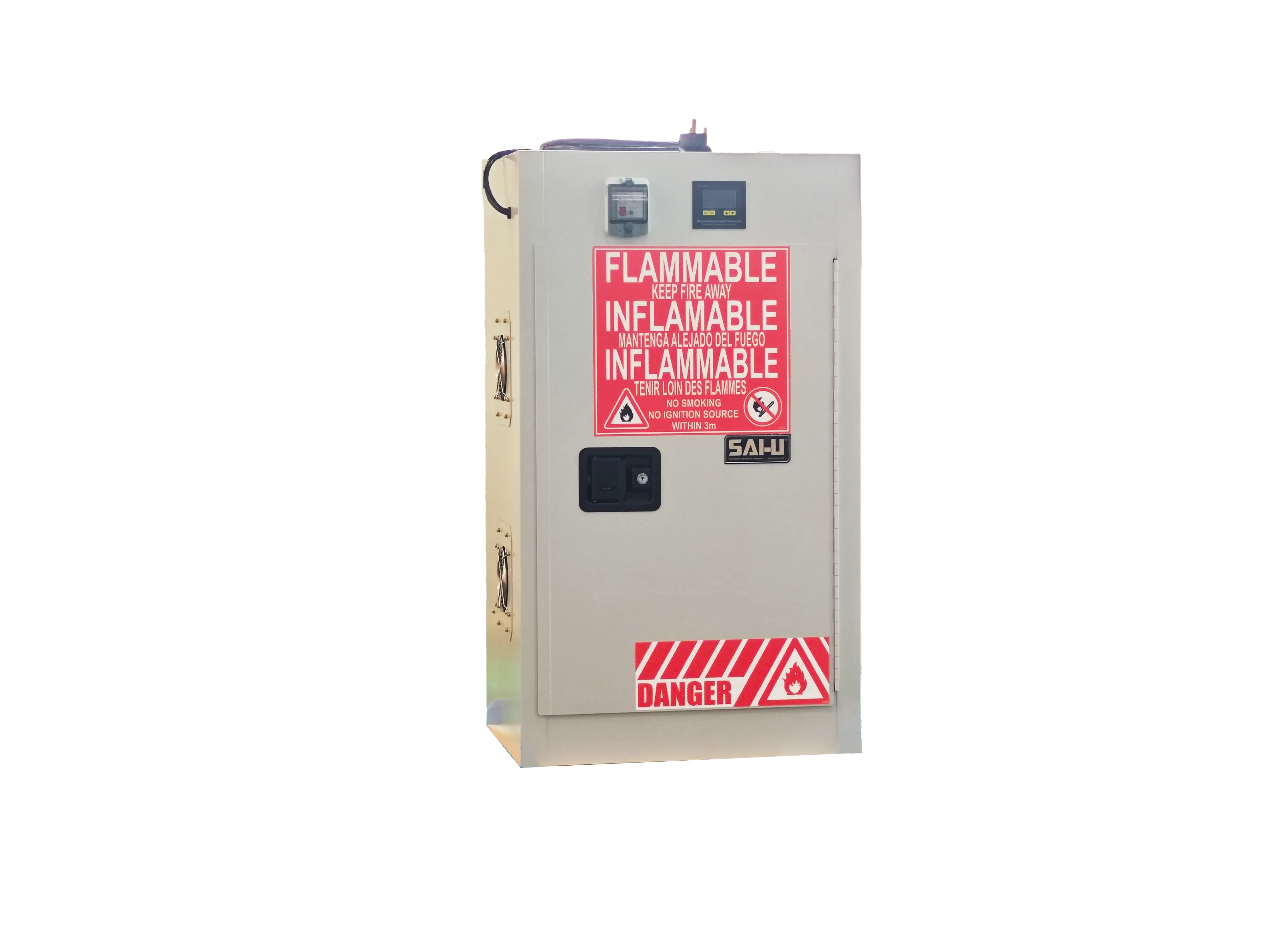
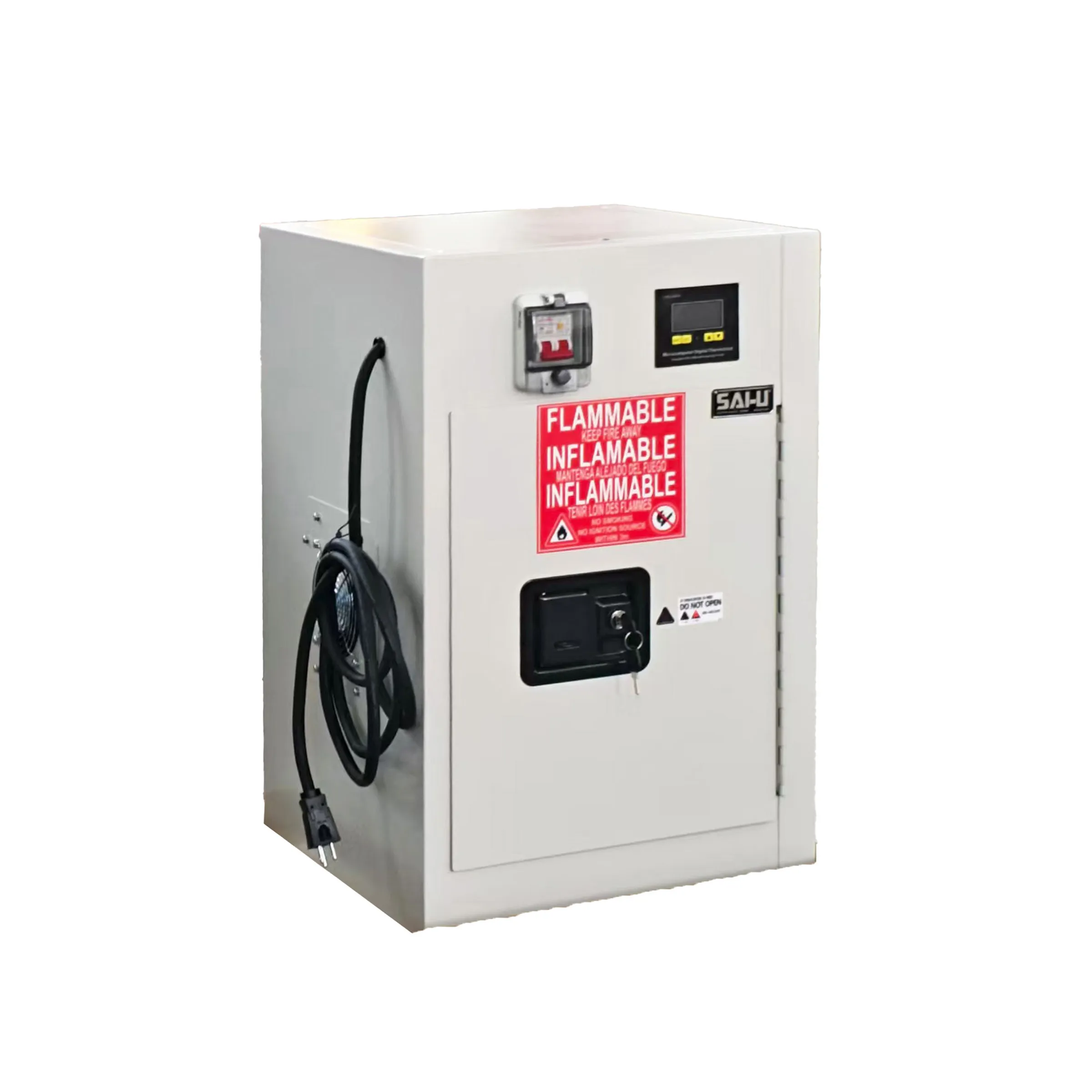
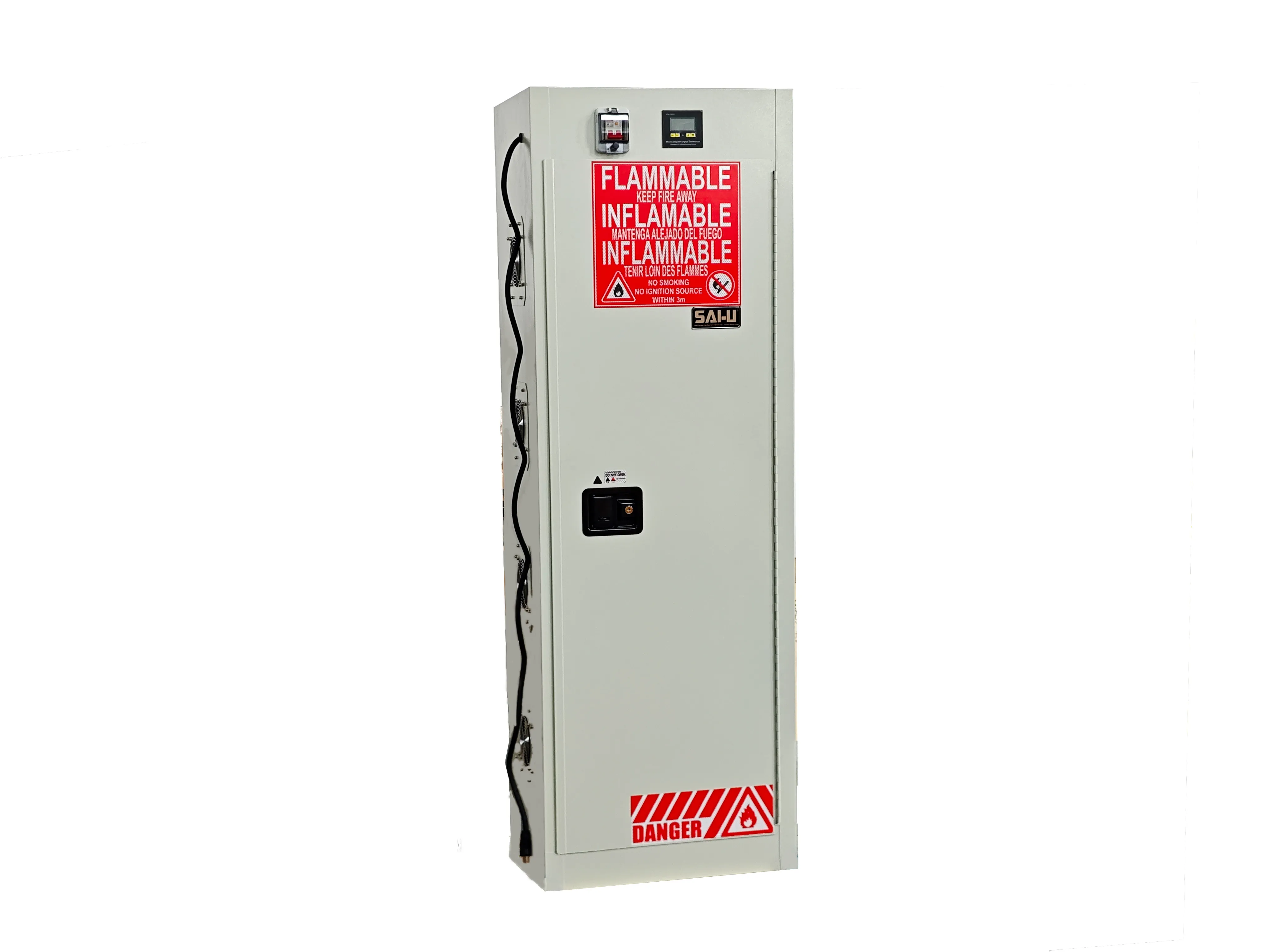
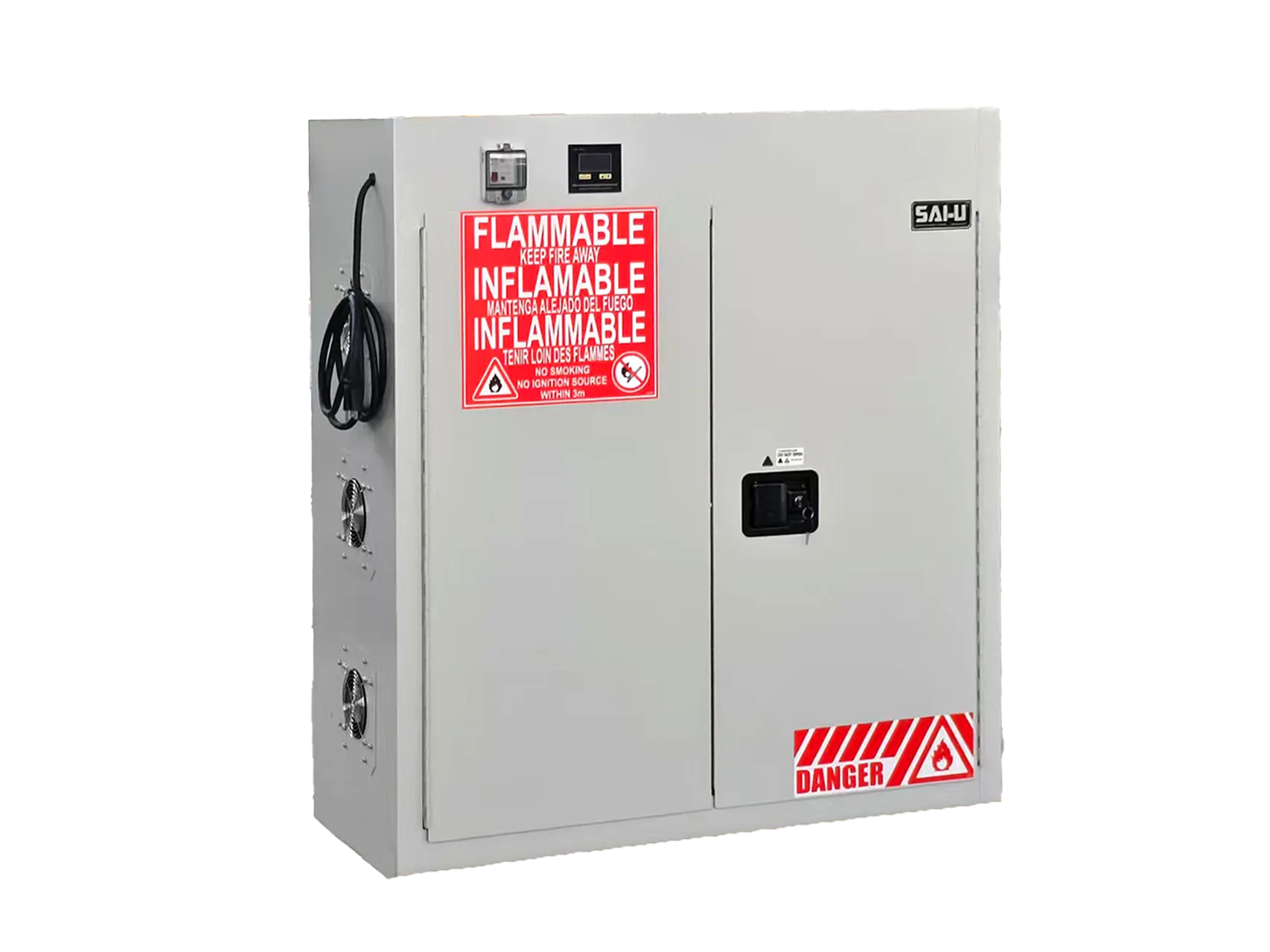
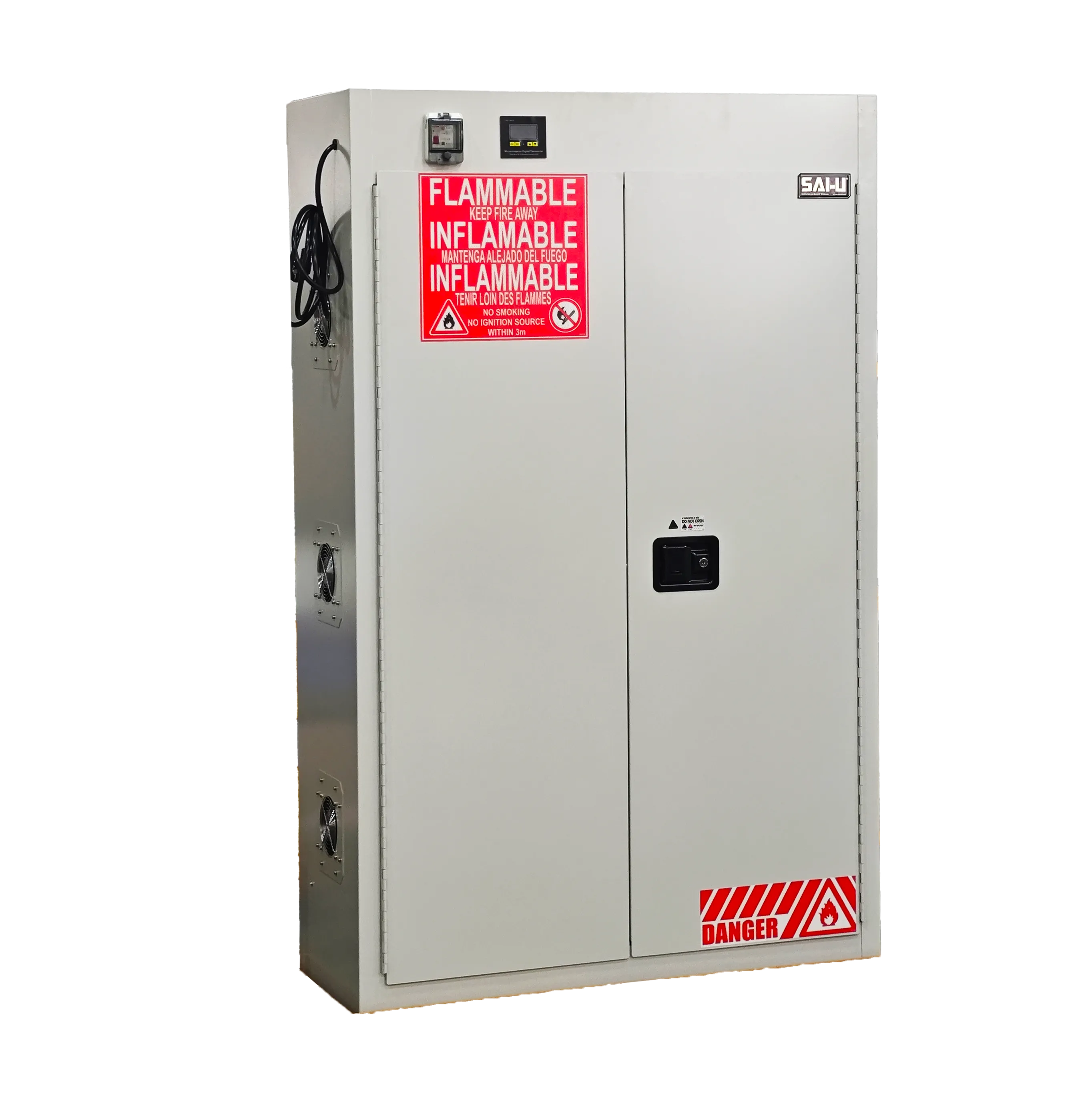
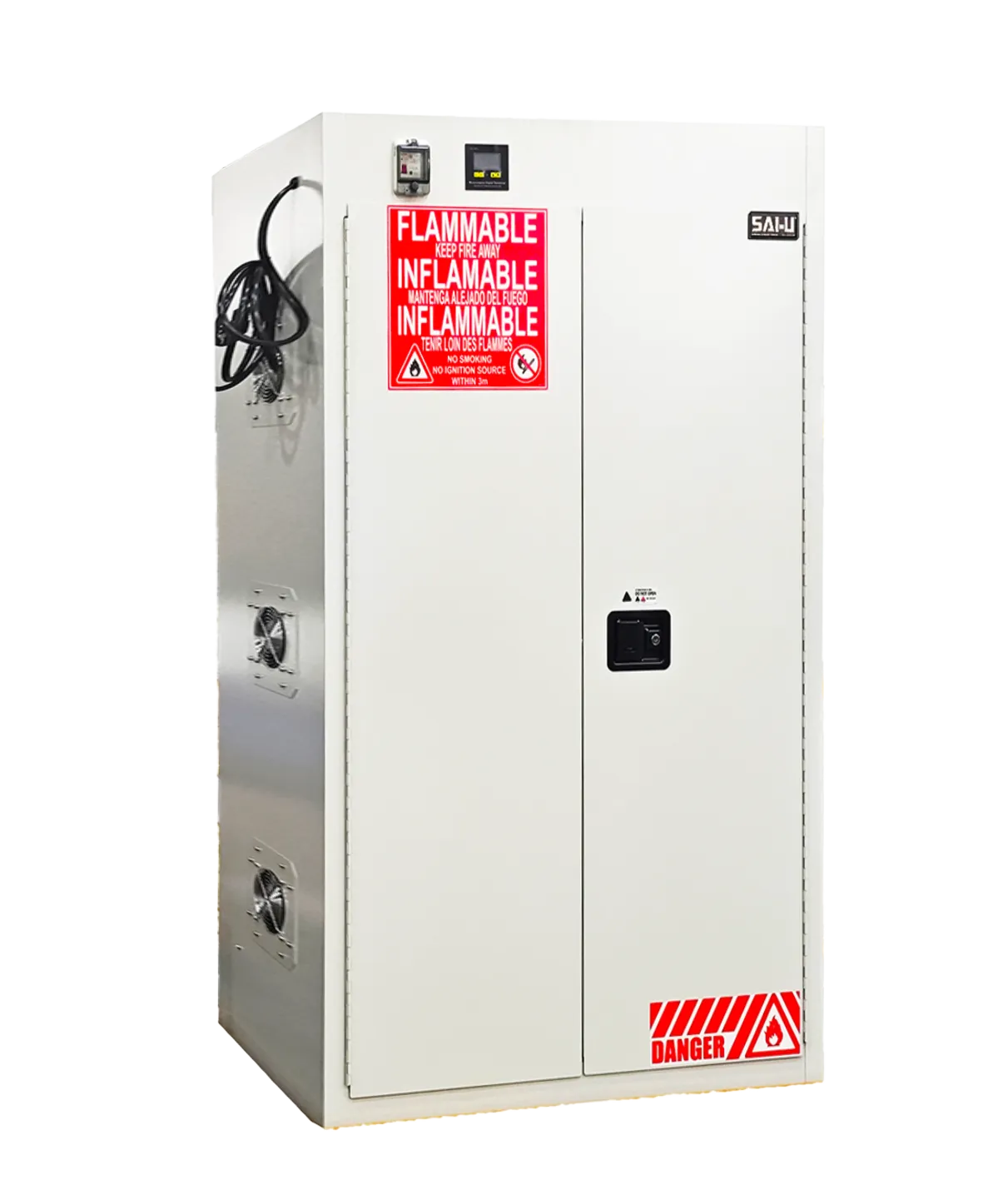
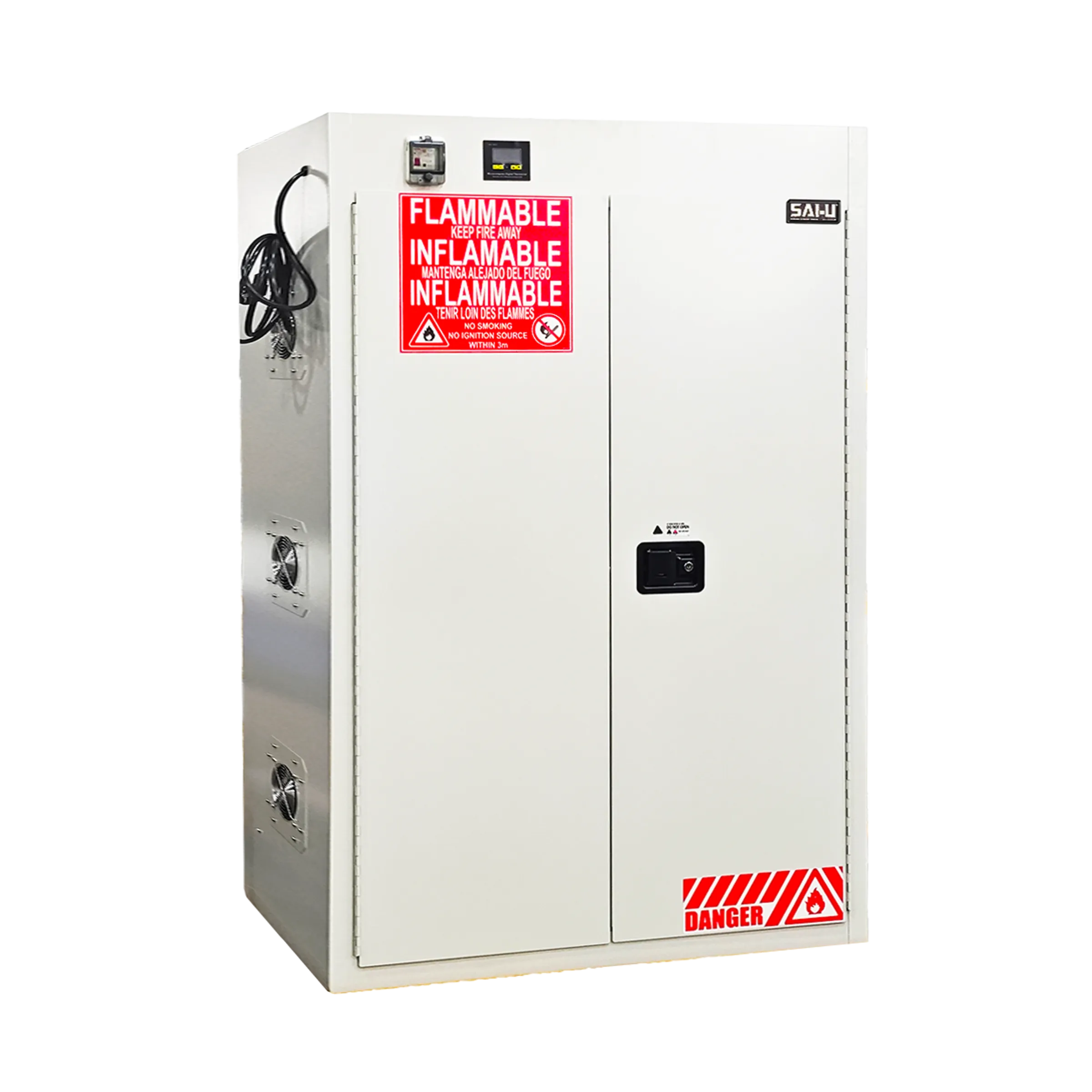
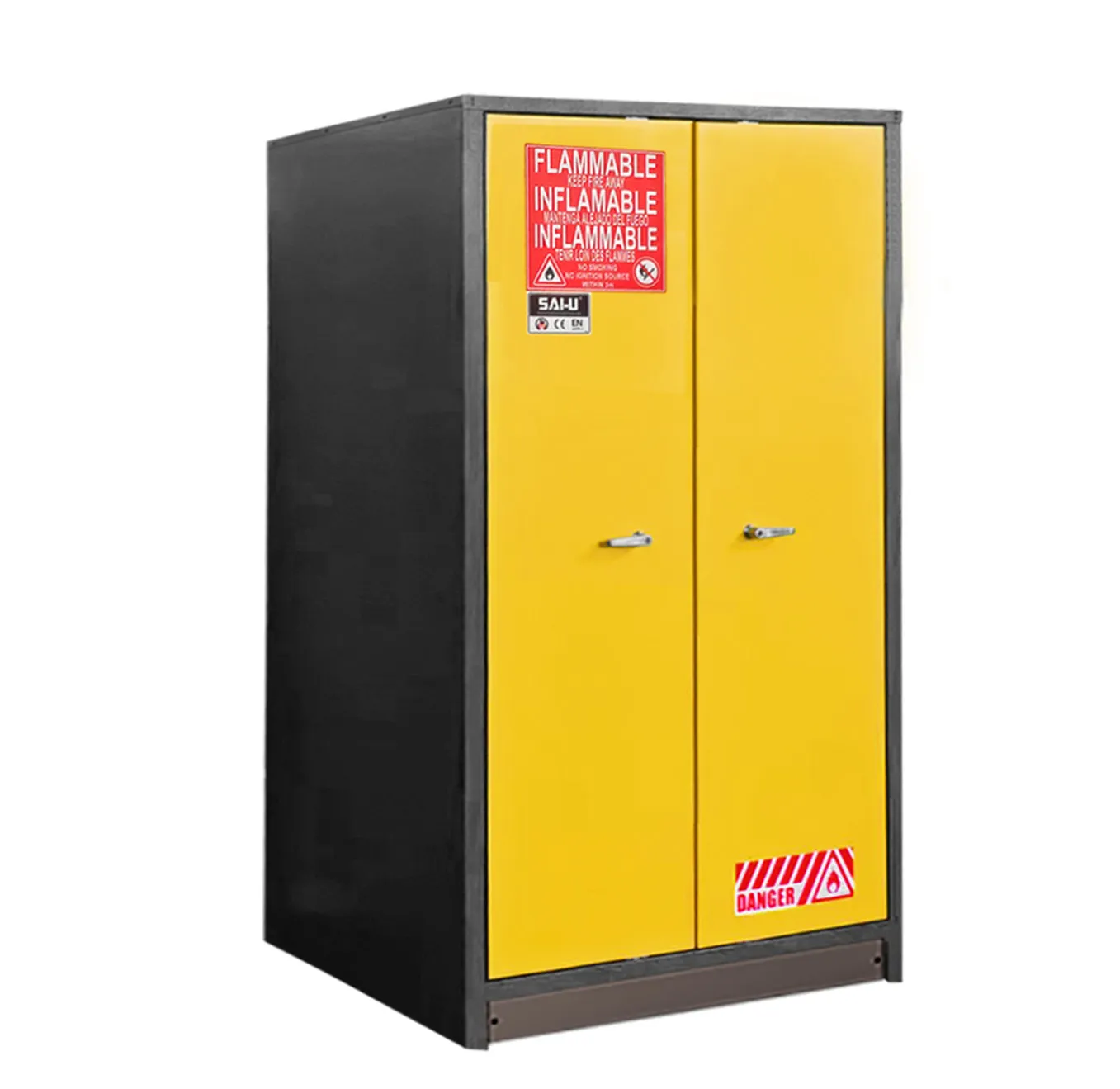
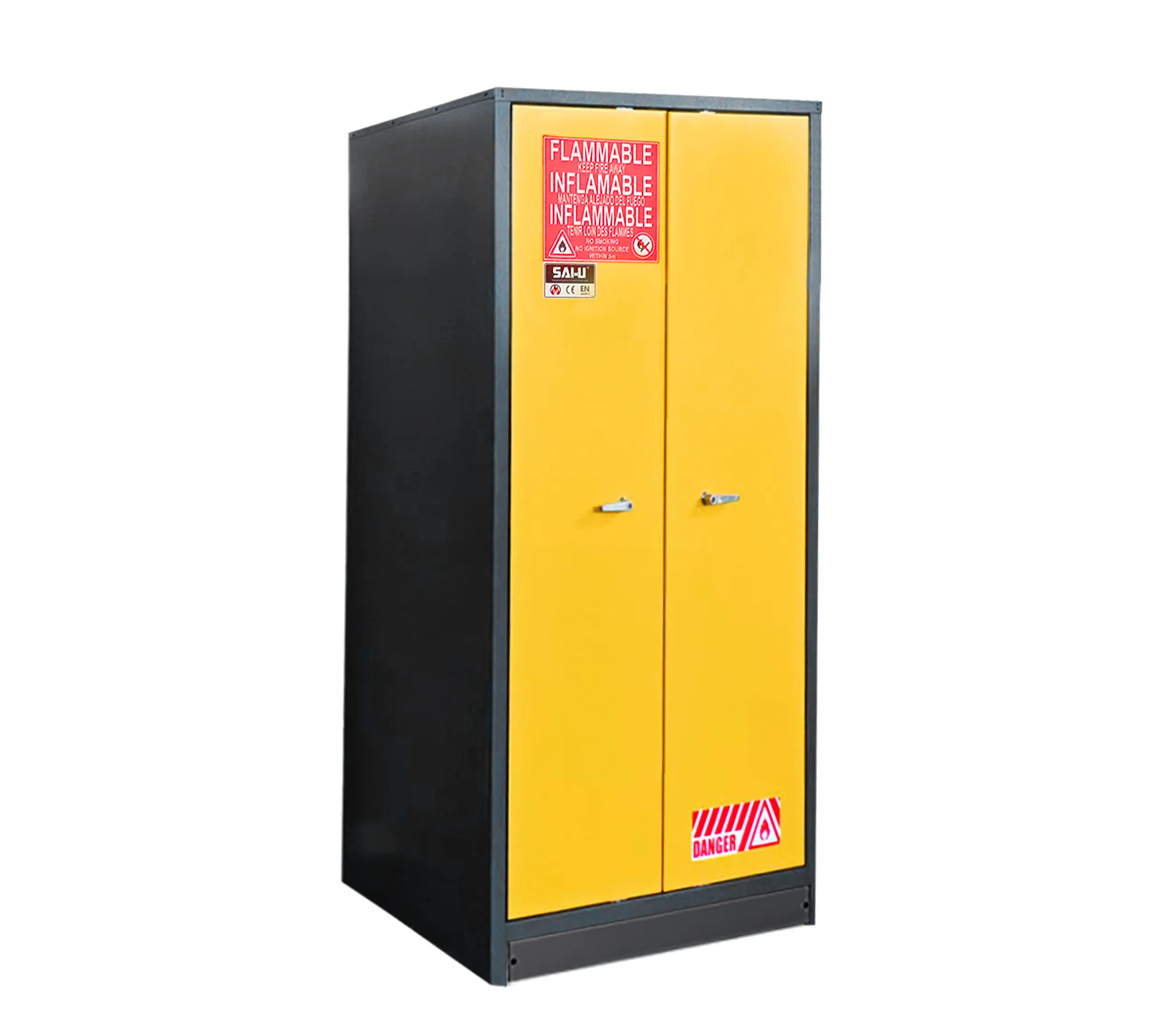
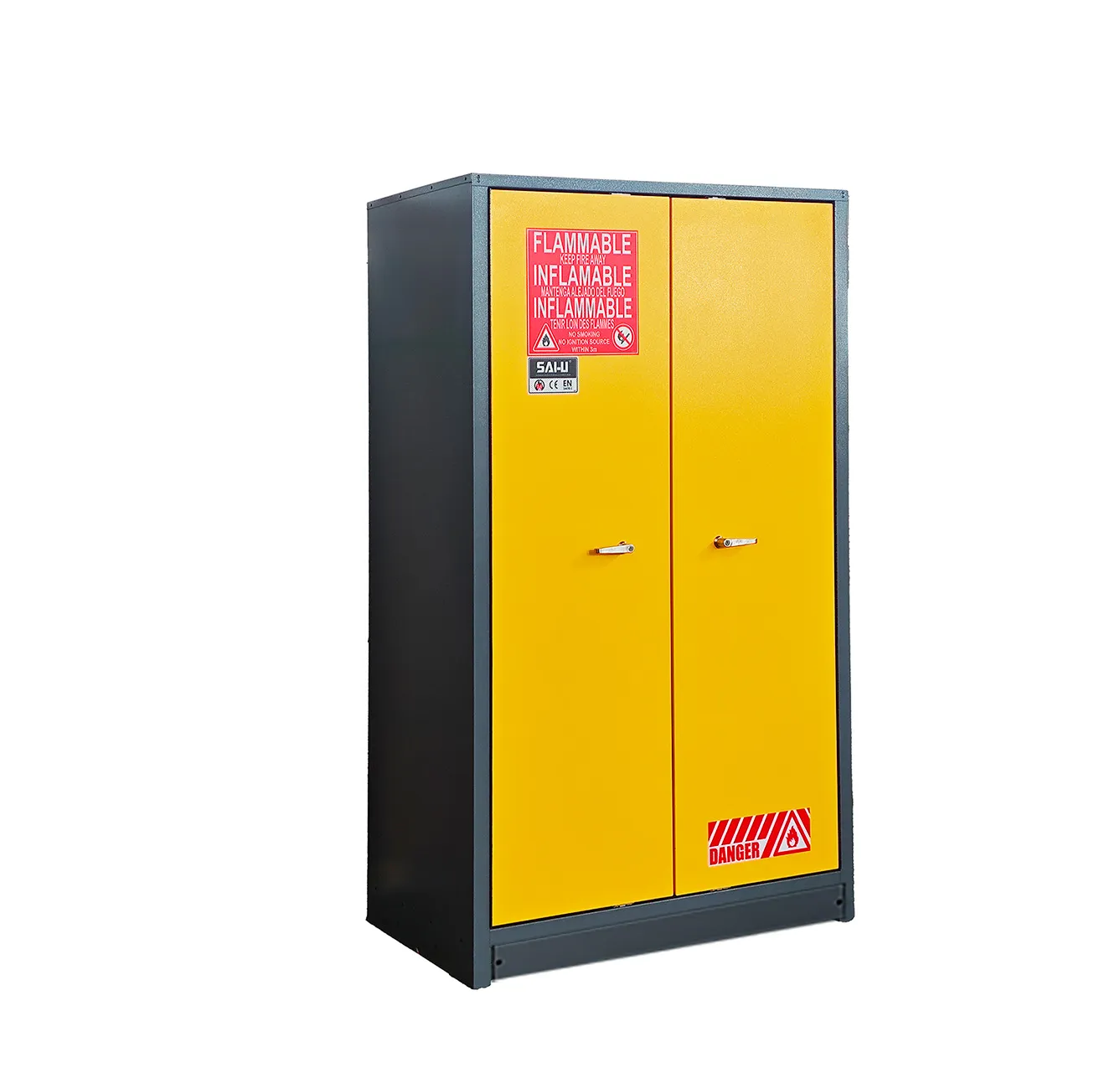
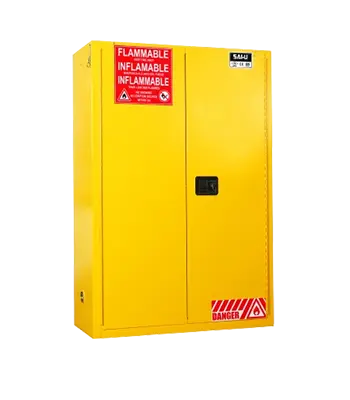
Cabinets for these chemicals are typically constructed from epoxy-coated steel and painted yellow. Designed to safeguard contents, they provide at least 10 minutes of fire protection in line with U.S. OSHA and NFPA standards through double-walled construction for enhanced fire resistance. Options include manual or self-closing doors. For stricter requirements, consider models meeting European (EN) standards, which offer 30 or 90 minutes of protection depending on the design. These cabinets are available in capacities ranging from 4 to 90 gallons, with various internal configurations. Flammable storage cabinets should not be ventilated, as venting is not required for fire protection and could compromise performance.


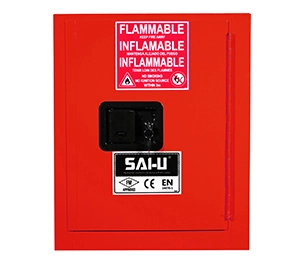
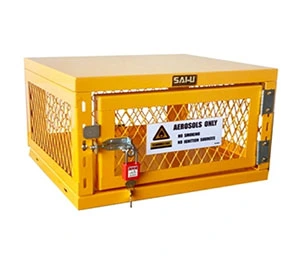
Paints and inks, often in aerosol form, are stored in similar cabinets, which may be painted yellow or red and feature suitable internal shelving.
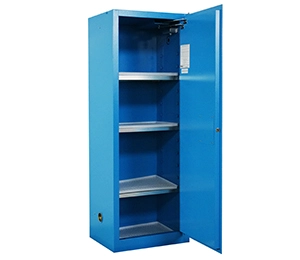
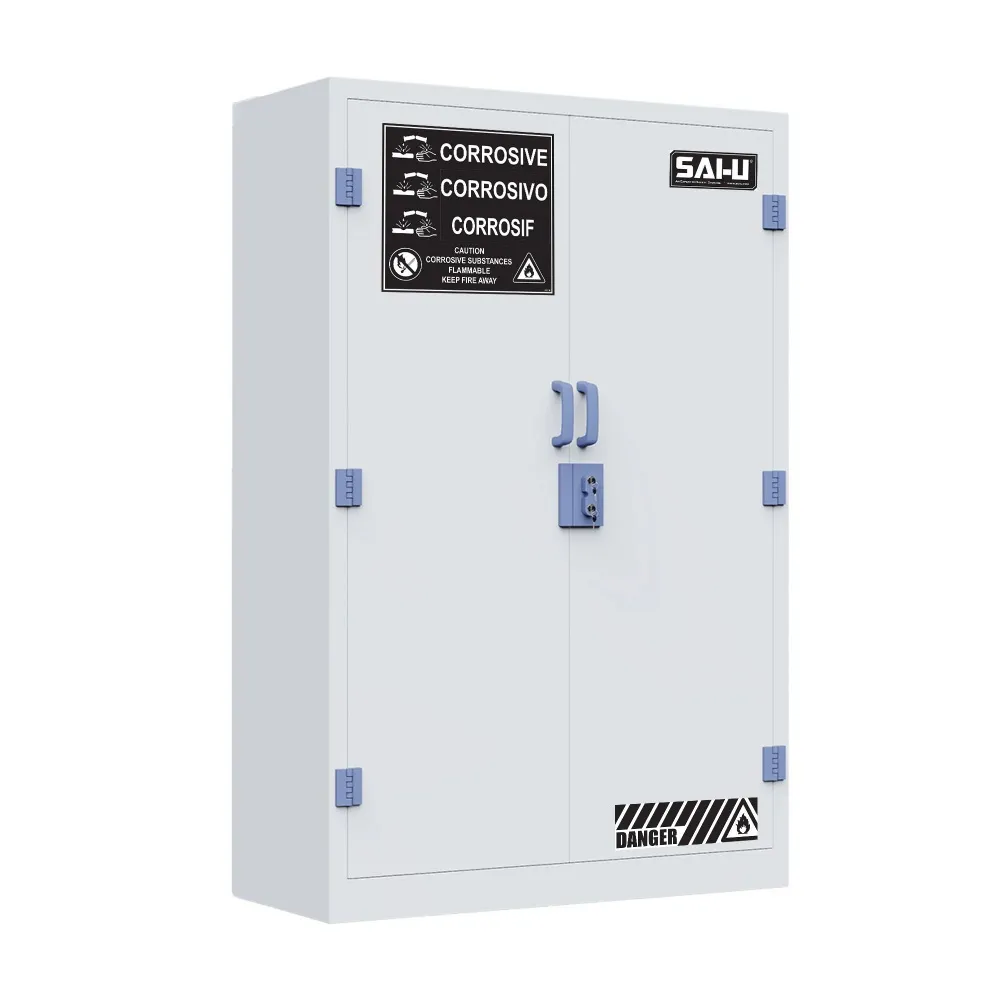
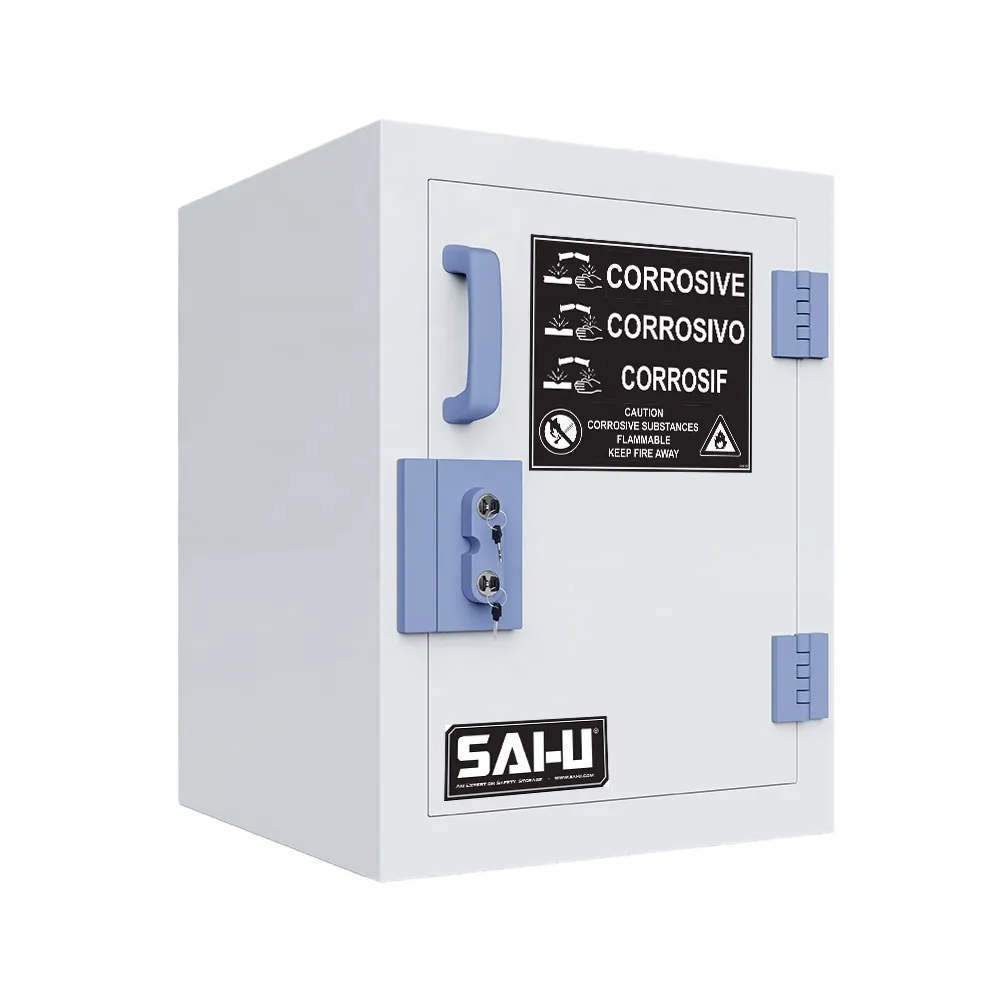
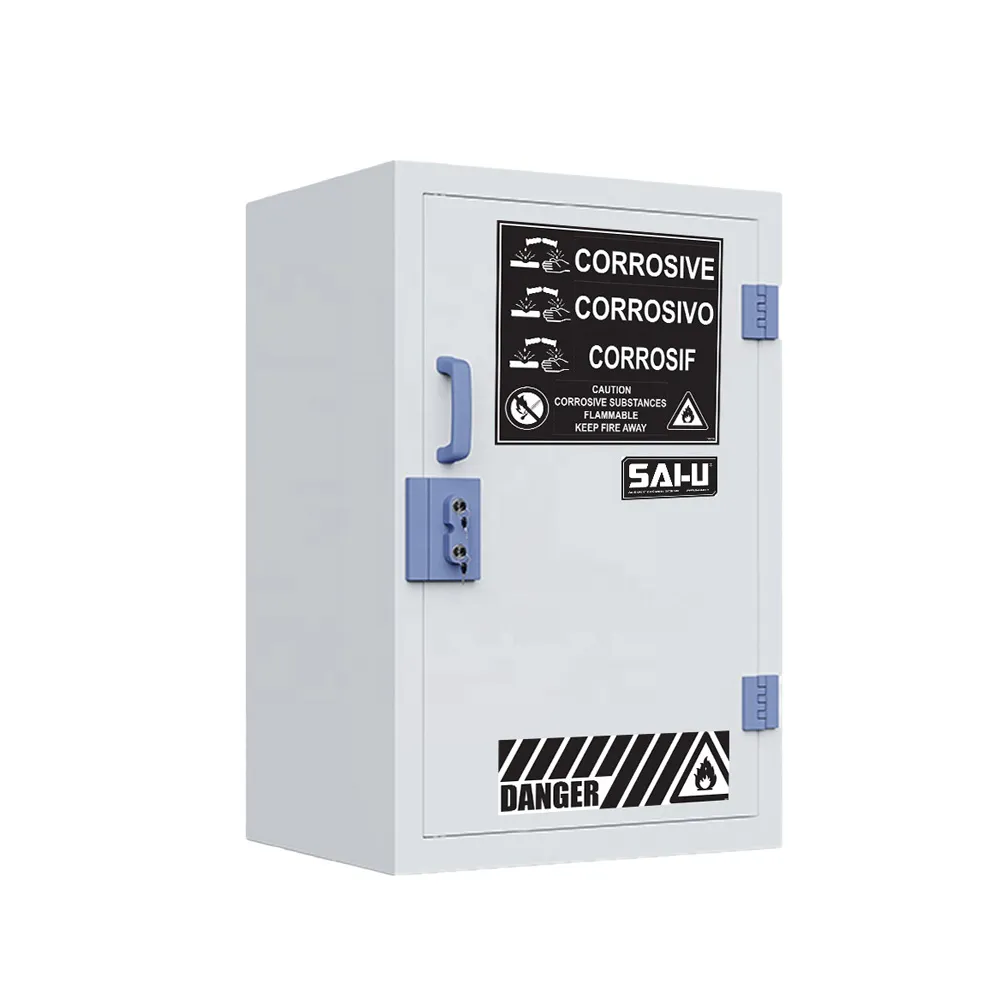
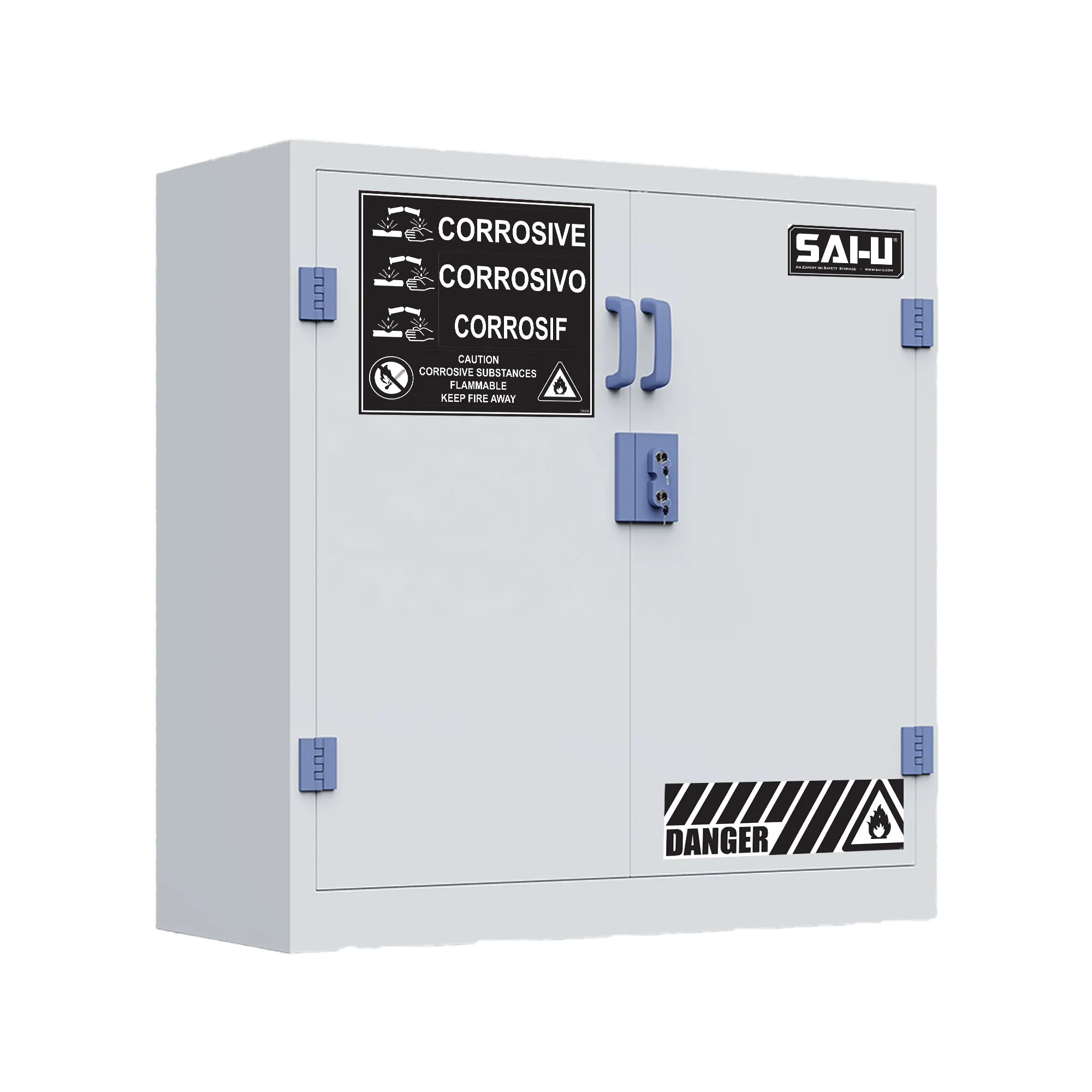
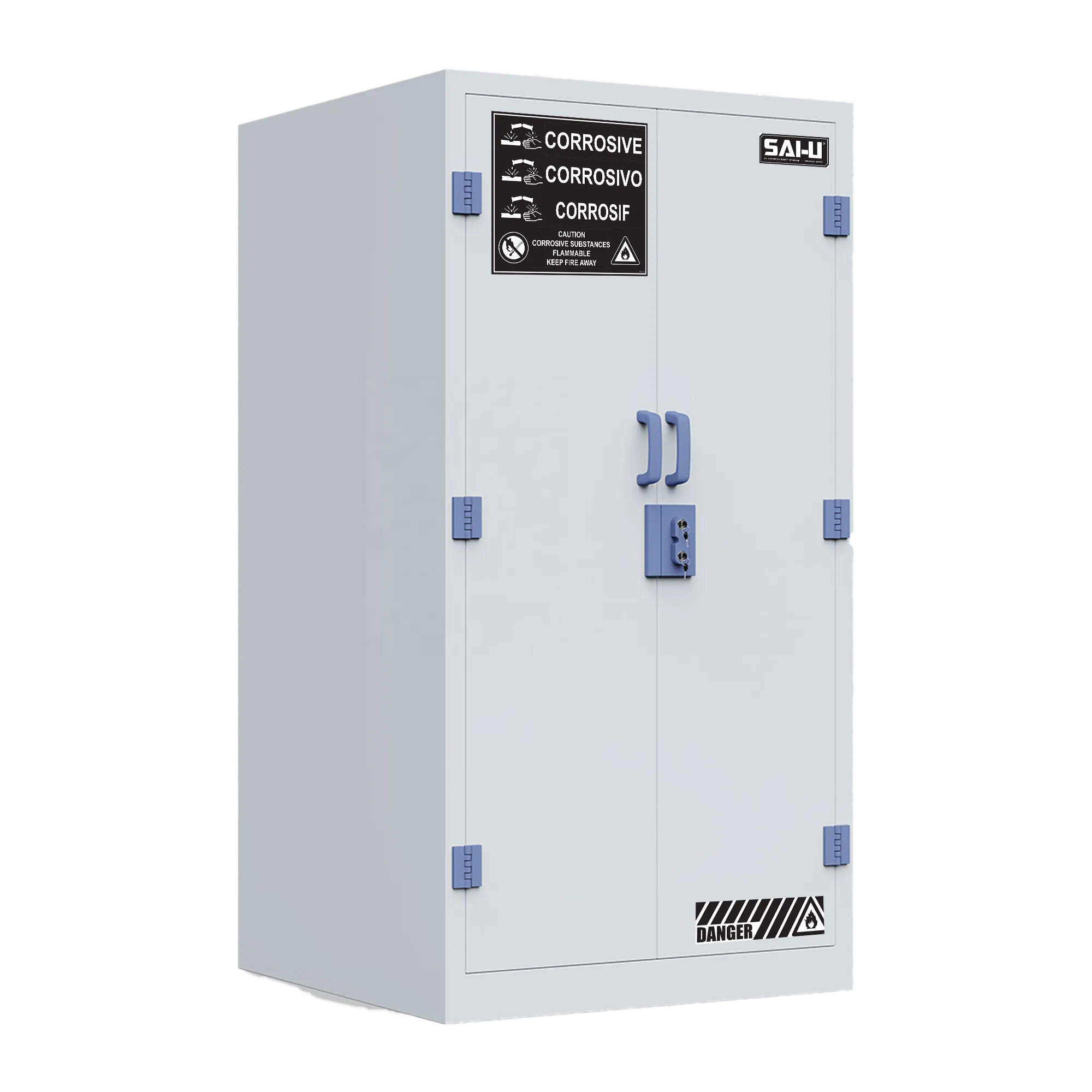
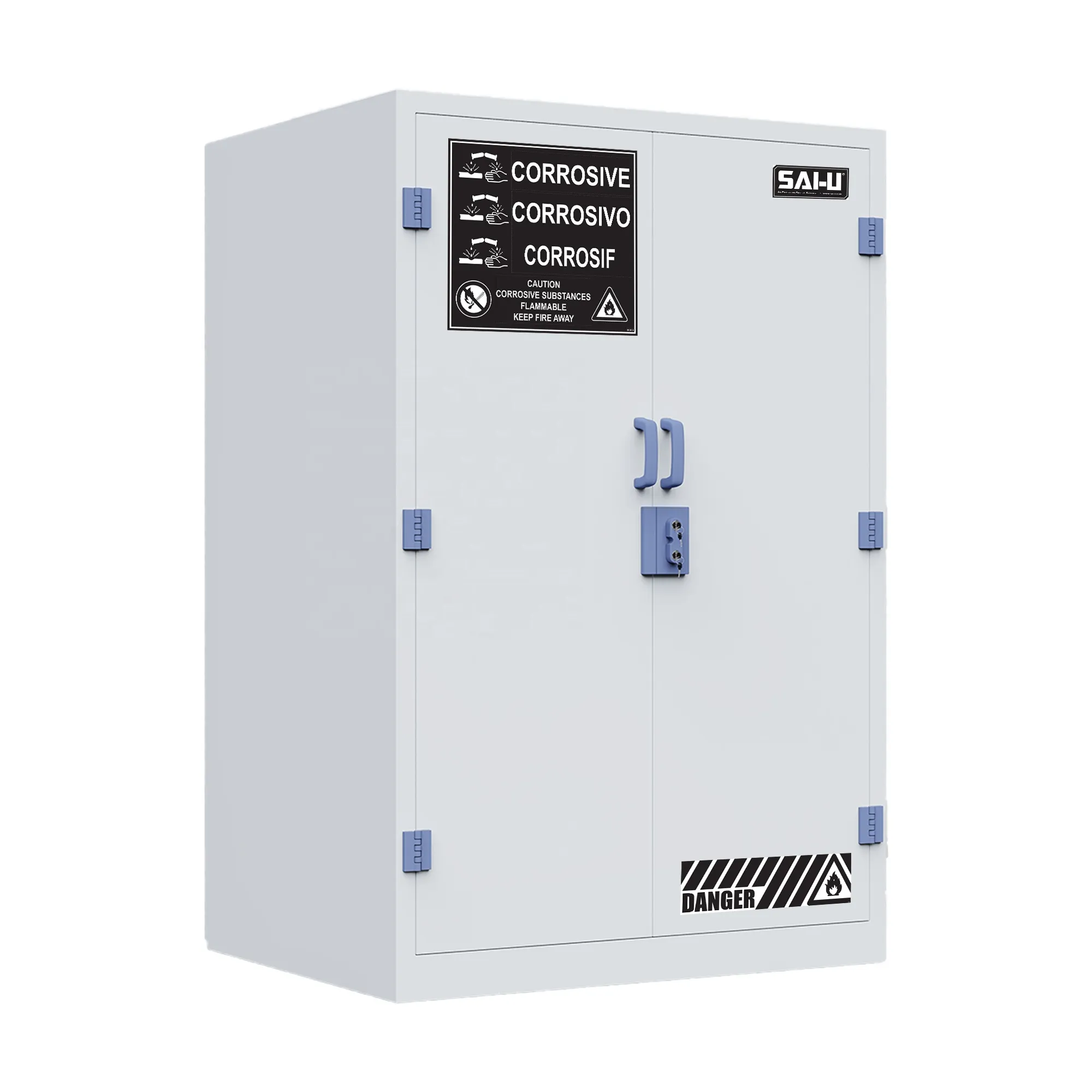
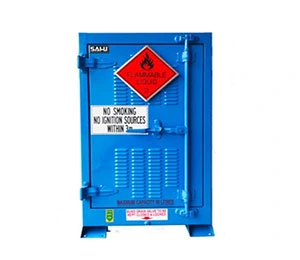
These cabinets, commonly painted blue, are intended for non-flammable corrosive chemicals and acids. Constructed from steel or polyethylene, they provide excellent resistance to spills and vapors. For highly aggressive substances like sulfuric, nitric, or hydrochloric acid, polyethylene or polypropylene models are preferred. If a corrosive chemical also has flammable properties, store it exclusively in a flammable cabinet. These units come in various sizes and can be installed beneath fume hoods, countertops, or lab benches, or used as standalone units. In some designs, they include forced air circulation or filtered vapor extraction.
These chemicals often generate fumes that require extraction from the cabinet interior. Solvent storage cabinets, typically made of powder-coated steel with glass doors for improved visibility, are available in different sizes and configurations. Ventilation options may direct fumes outside the lab or filter them internally through carbon filters.
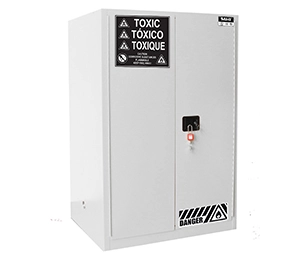
As toxic and often corrosive substances, these are usually stored in green-painted cabinets constructed from powder-coated steel. They may feature manual or self-closing doors, with molded polyethylene shelves enhancing internal organization and compatibility.
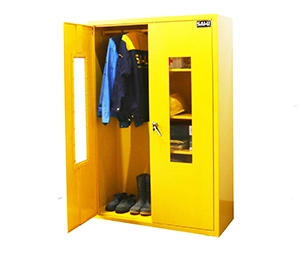
Chemicals in this category, whether liquids or powders, require organized storage with less stringent conditions, though good accessibility and visibility remain important. Steel or wood construction can be appropriate for these materials.
We at SAI U are ready to assist in identifying and recommending the most suitable chemical storage cabinet for your needs. Whether as part of a larger laboratory project or for standalone use, feel free to reach out for guidance.