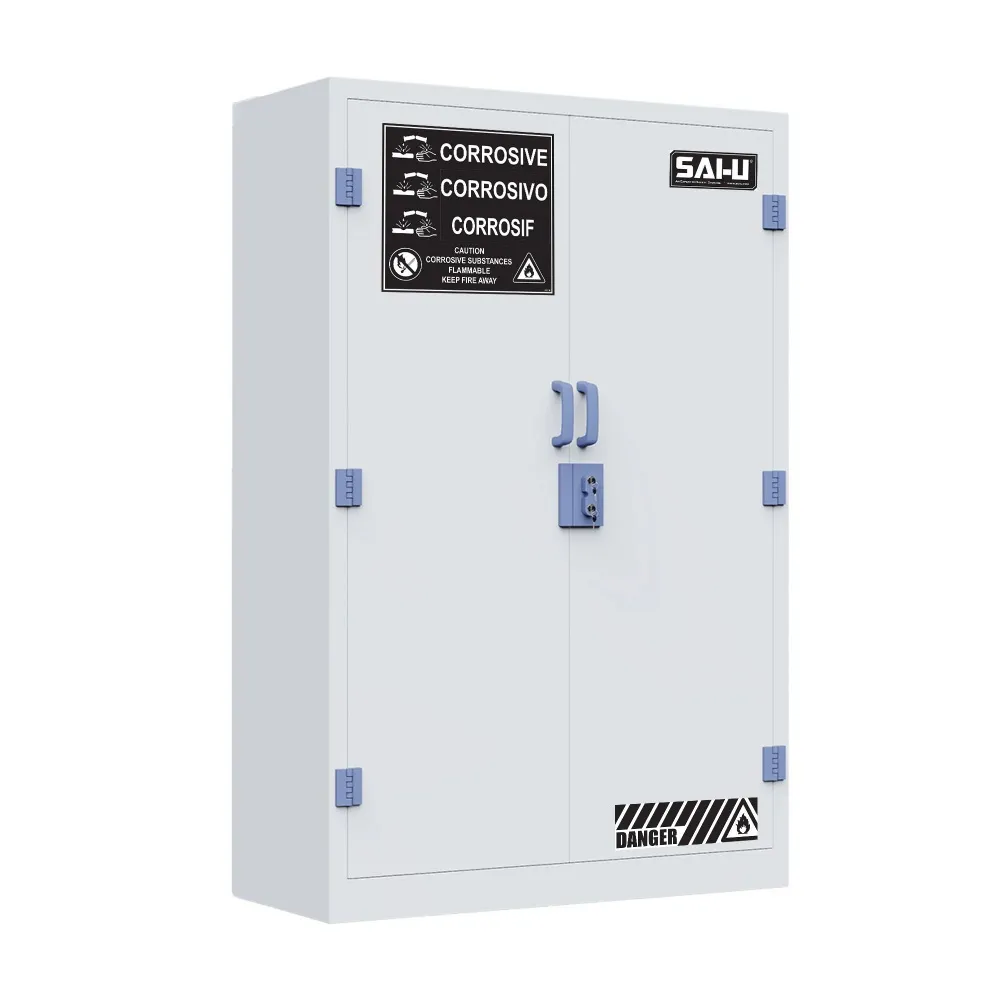
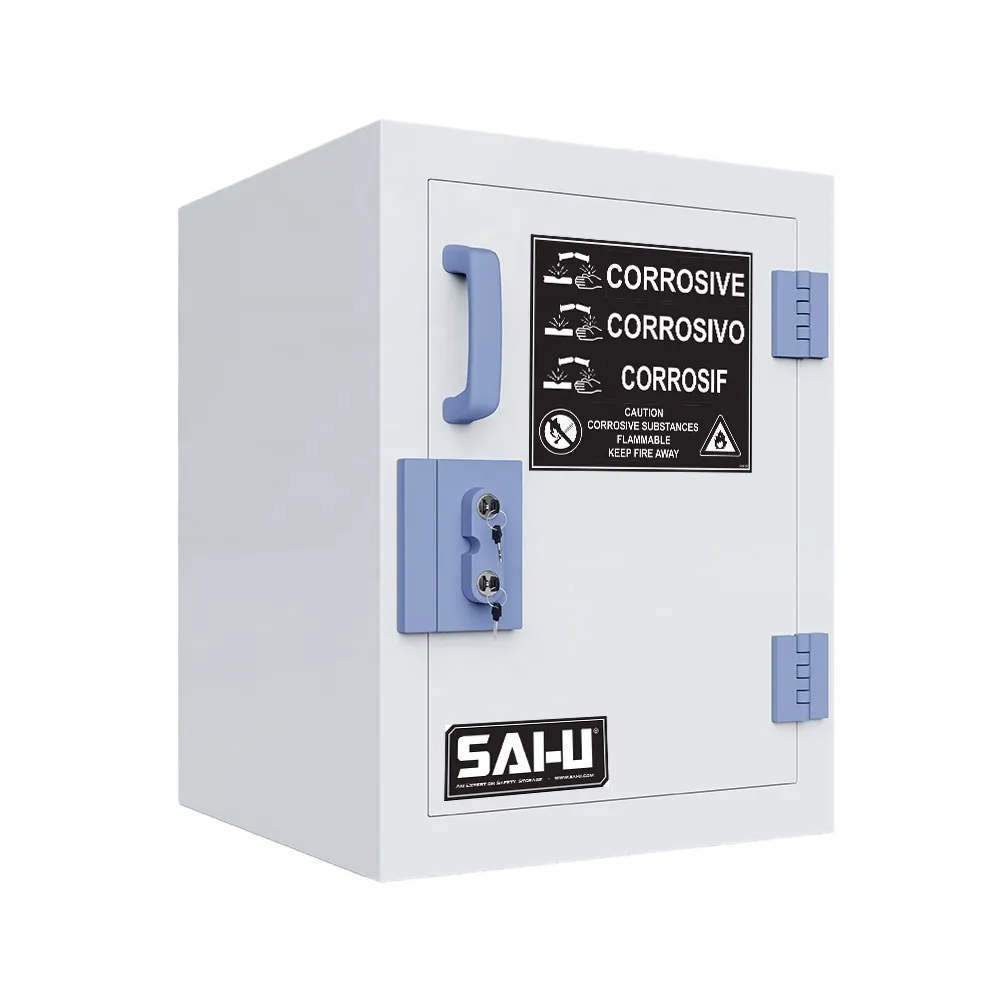
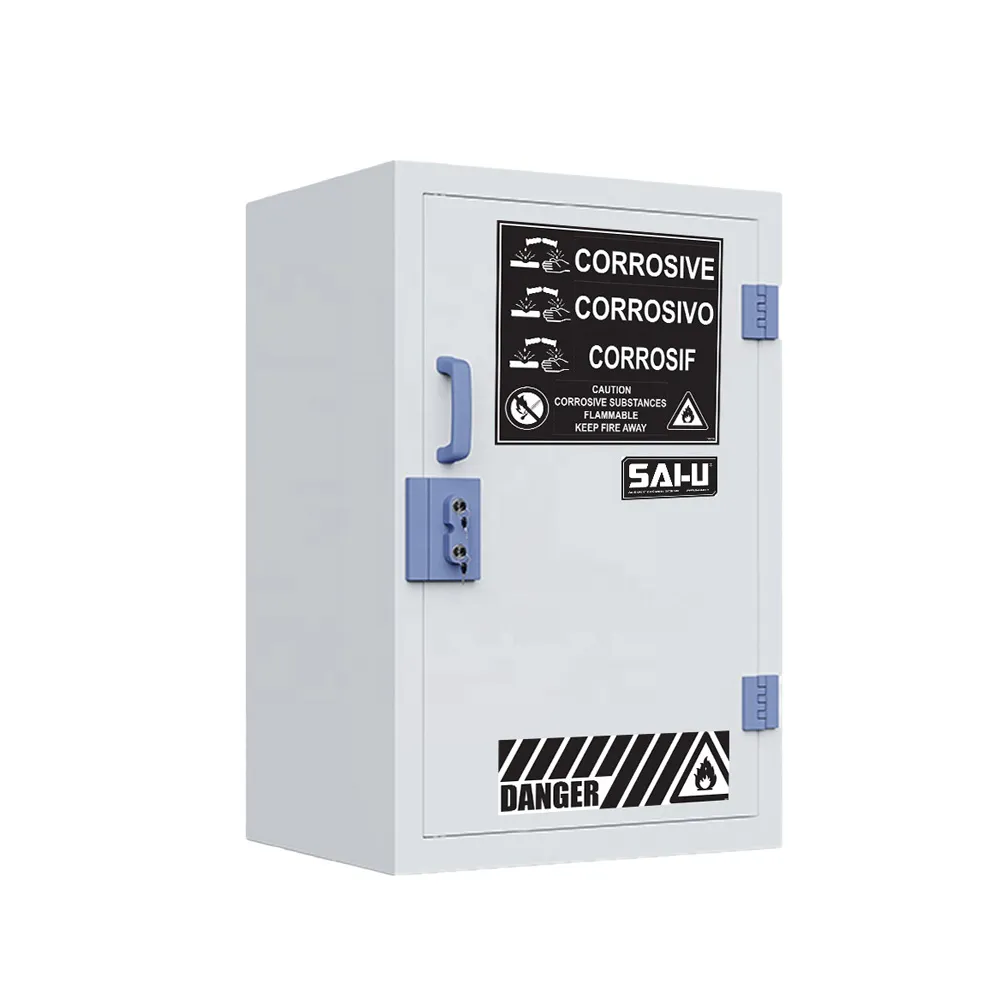
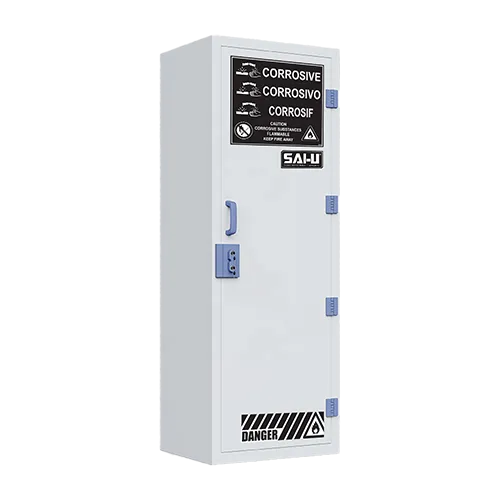
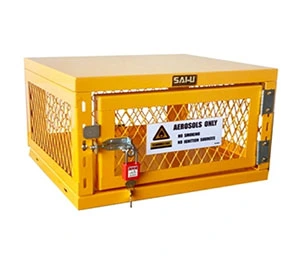
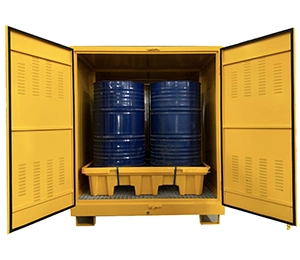
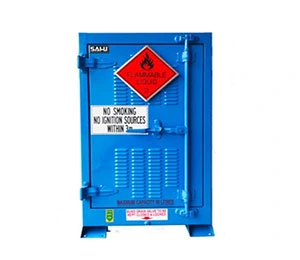
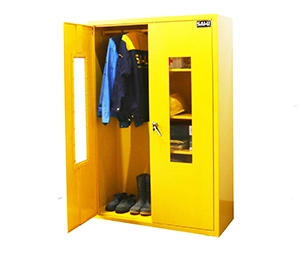
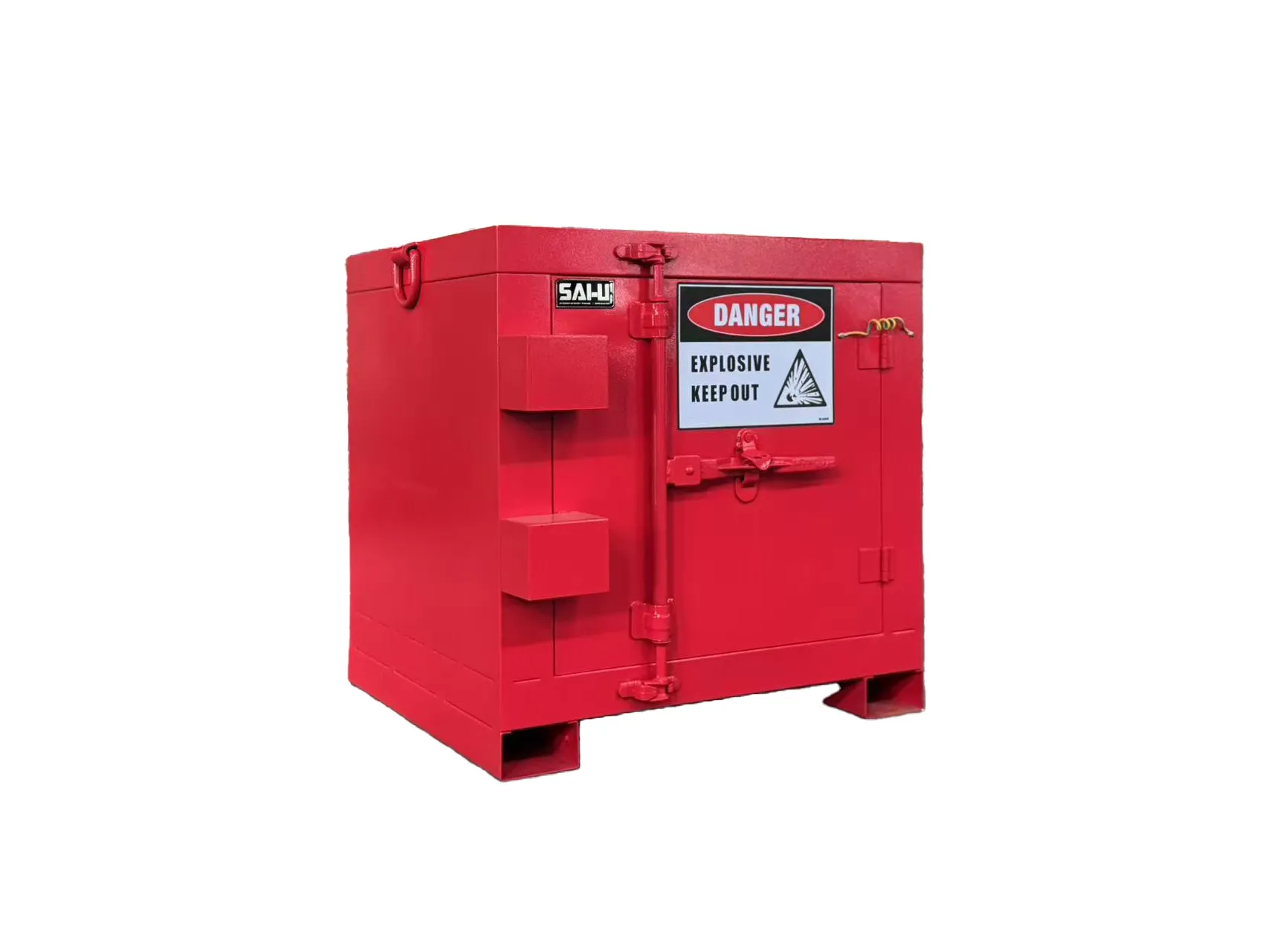
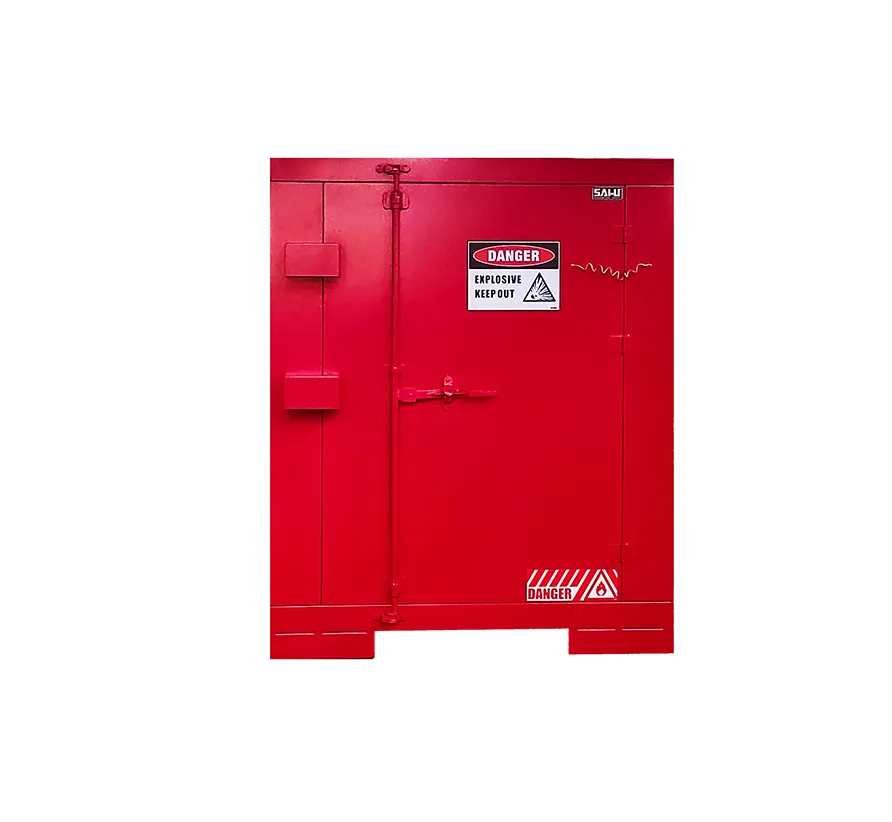
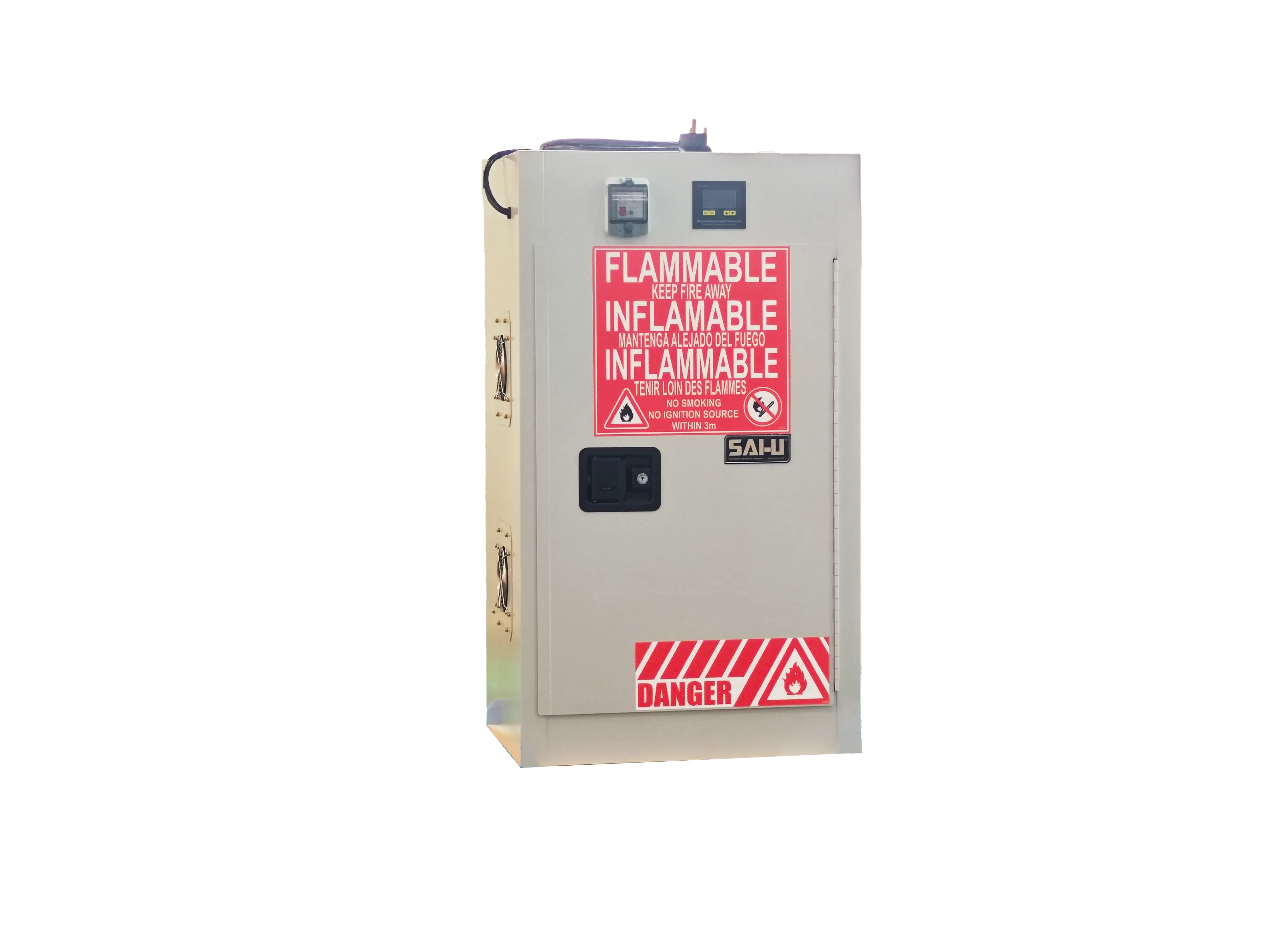
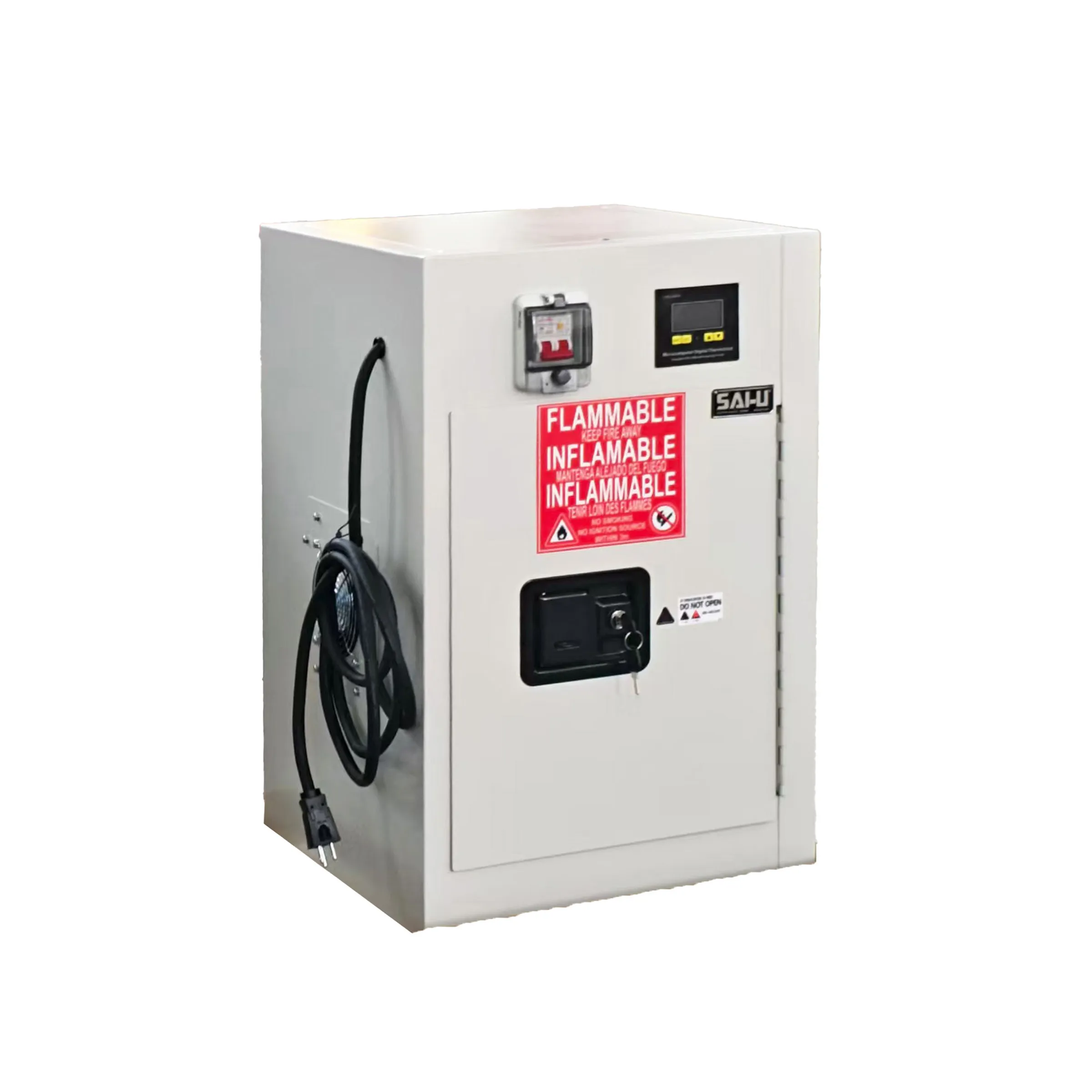
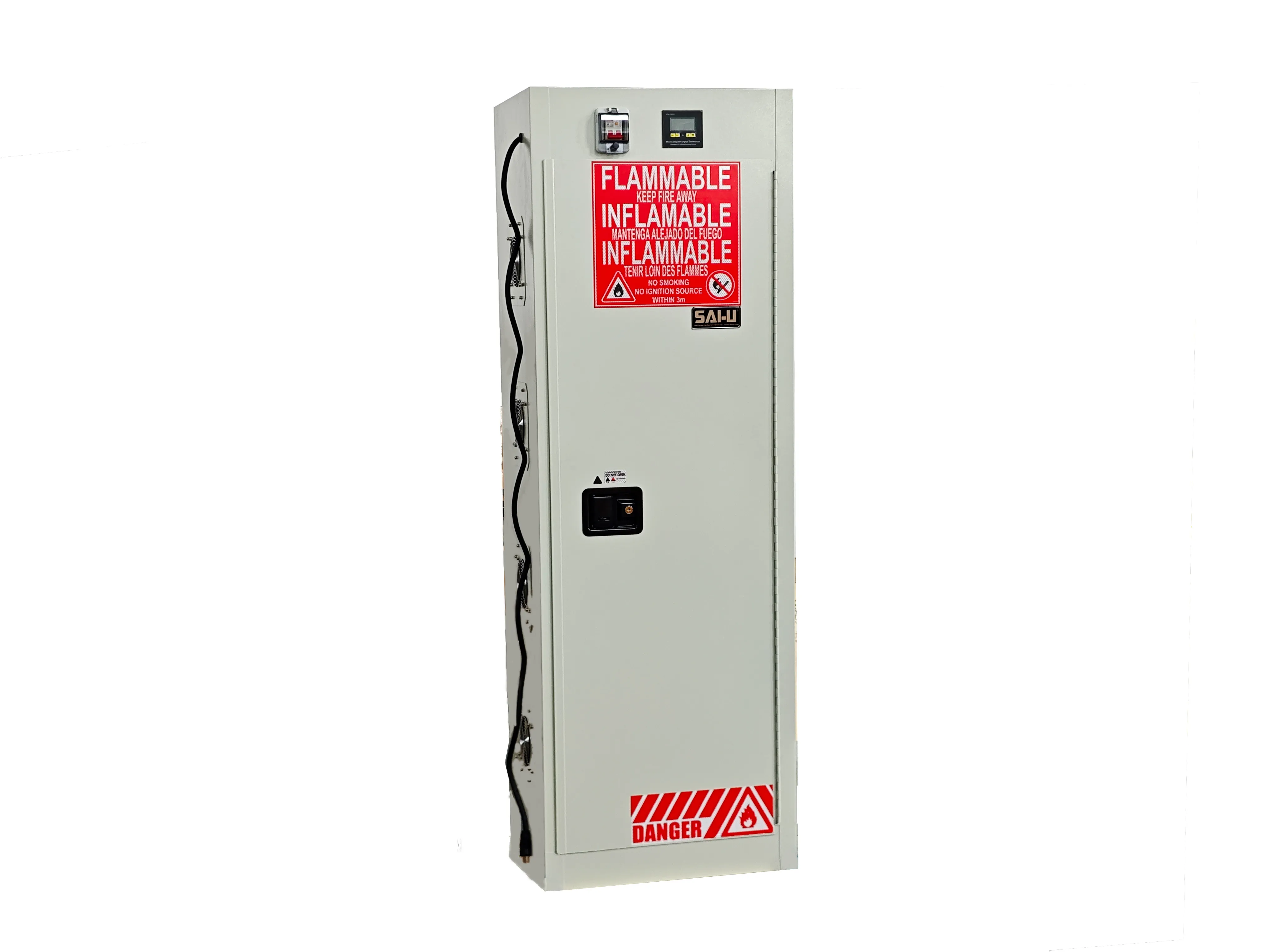
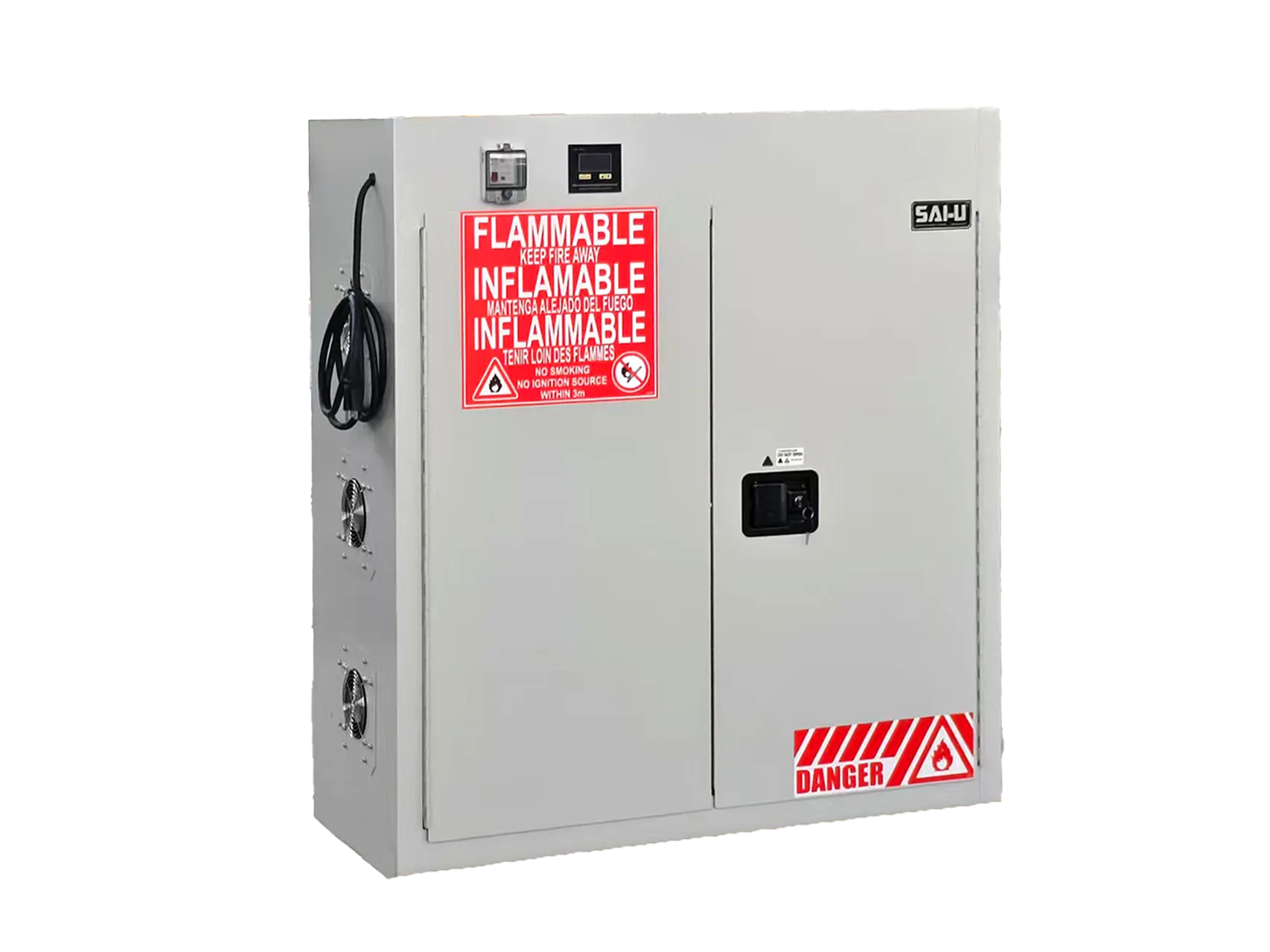
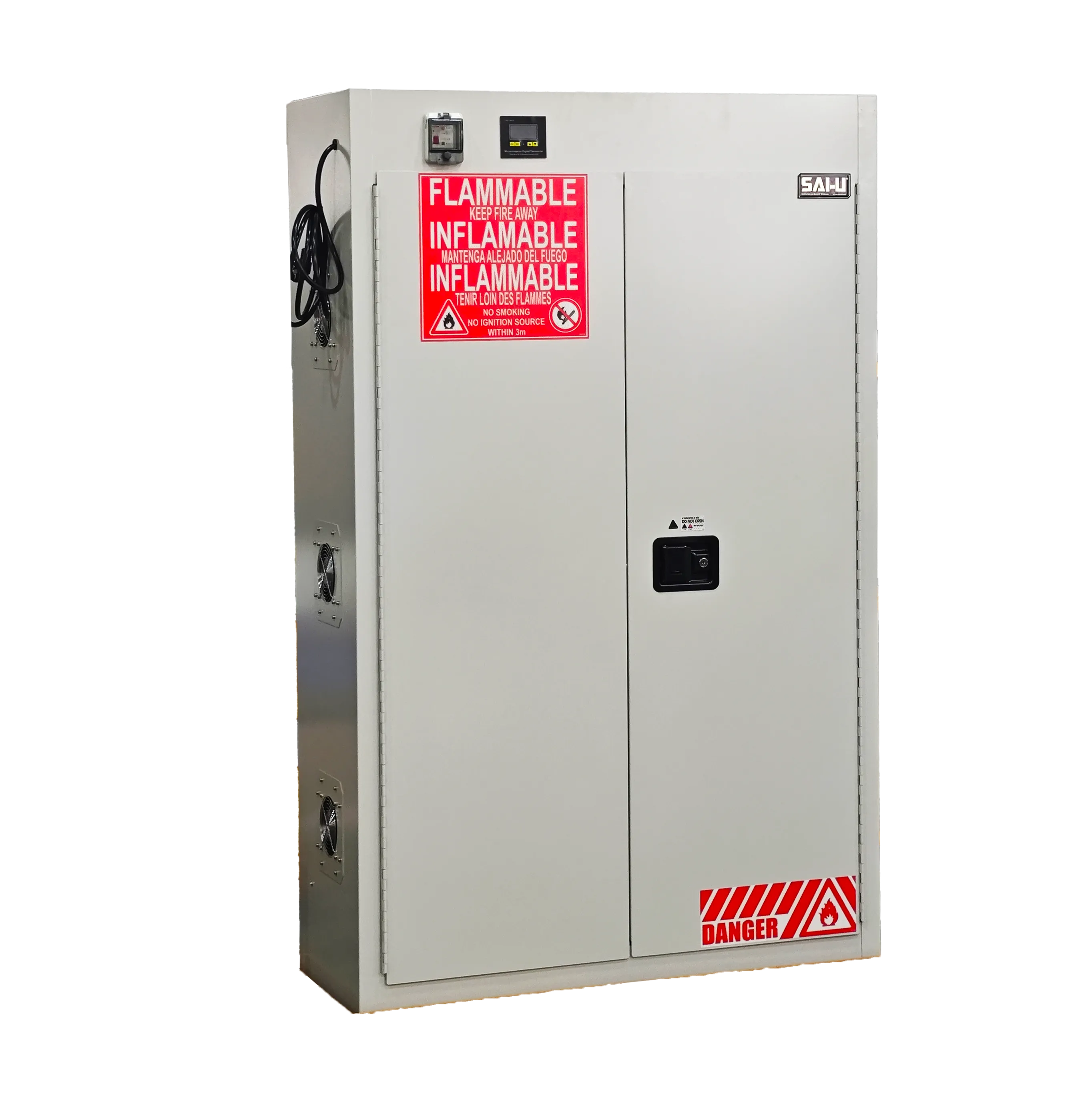
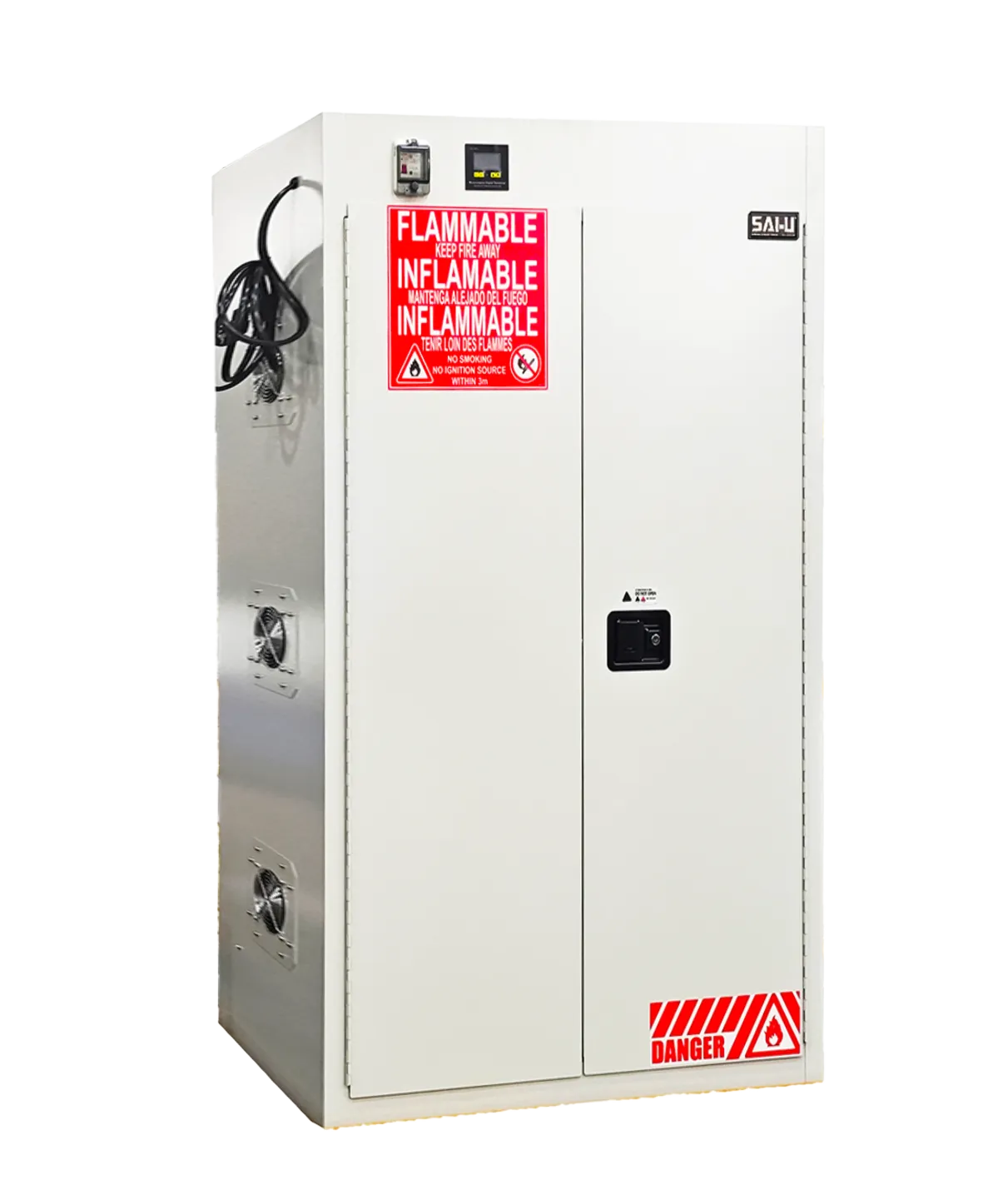
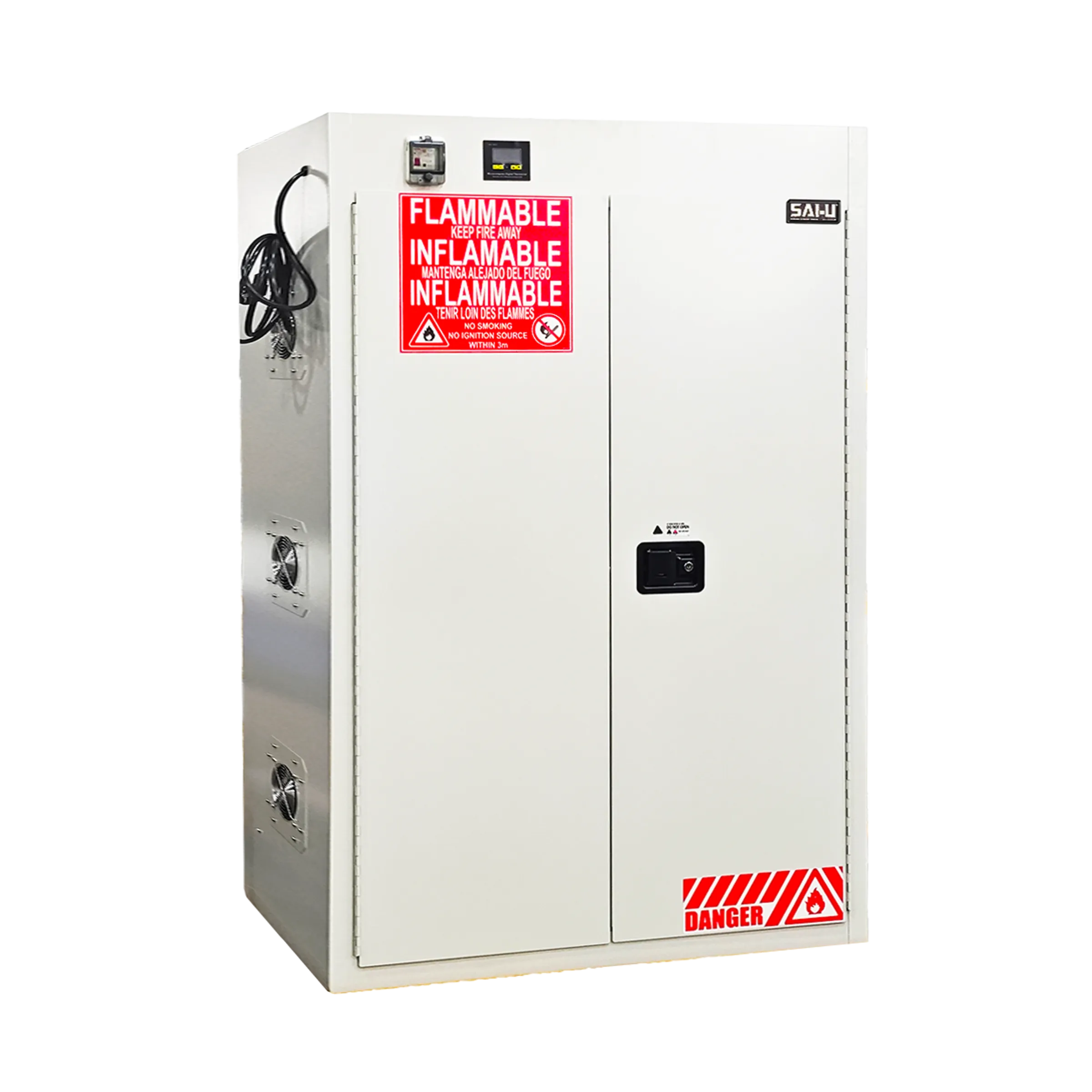
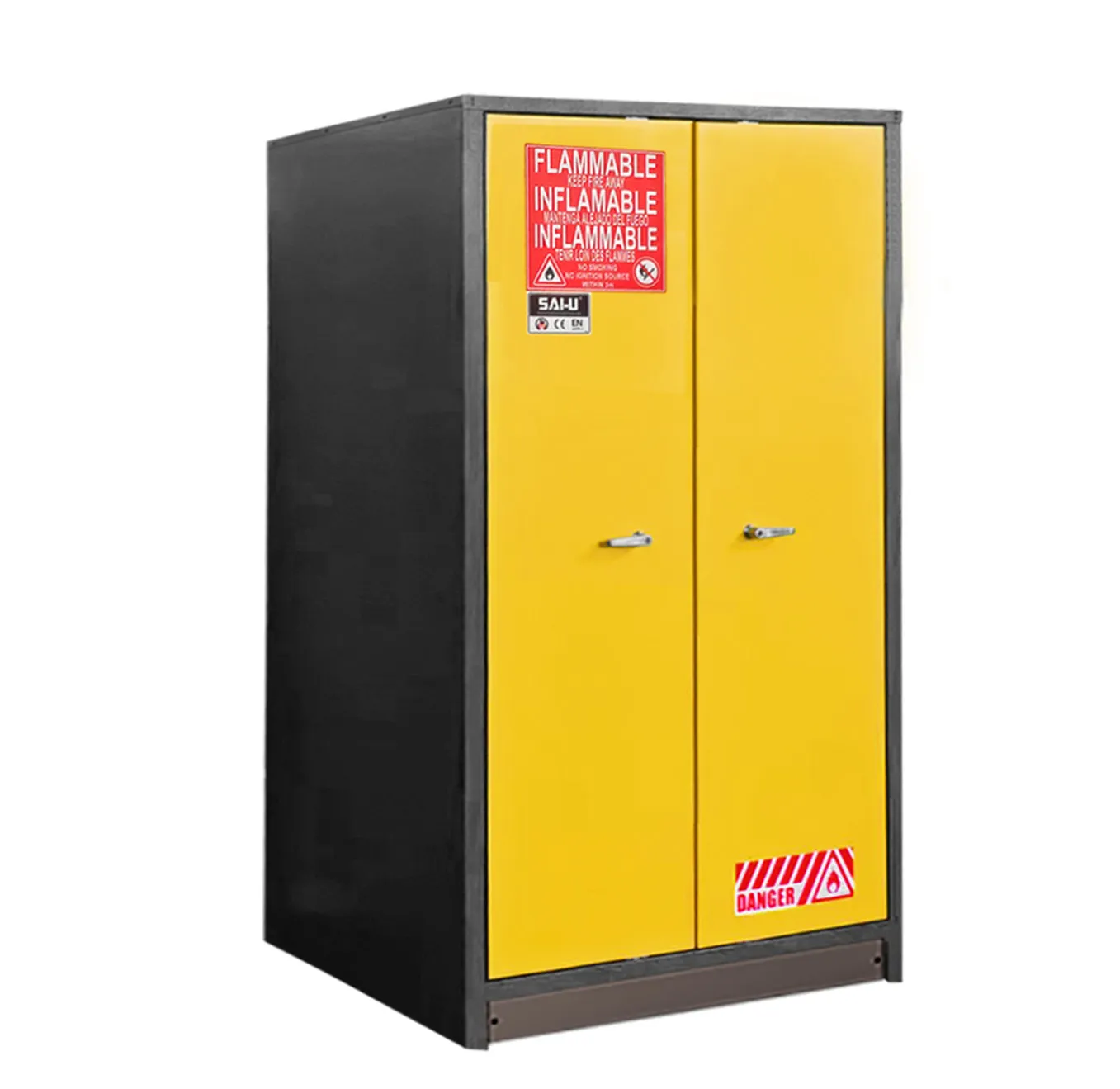
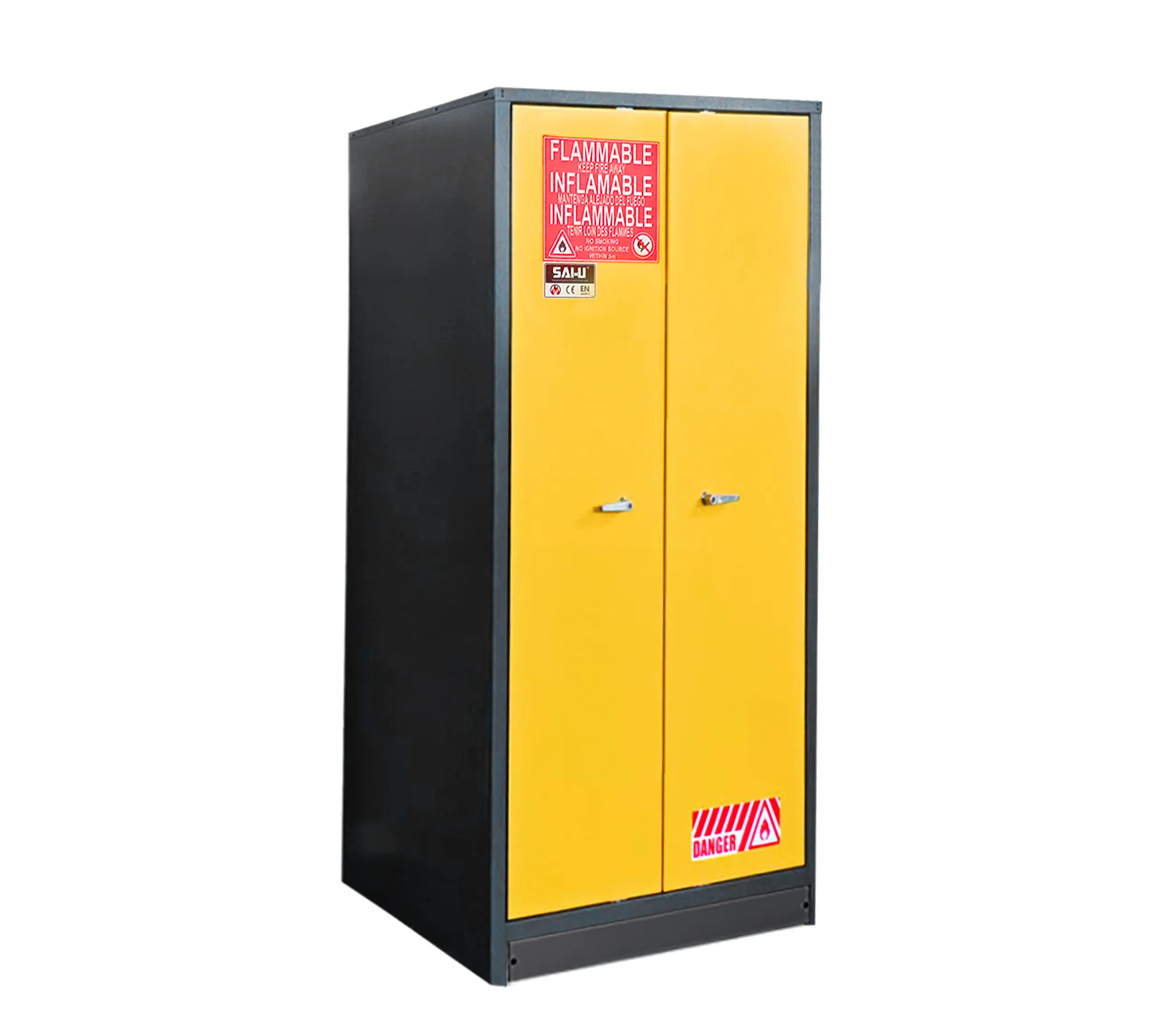
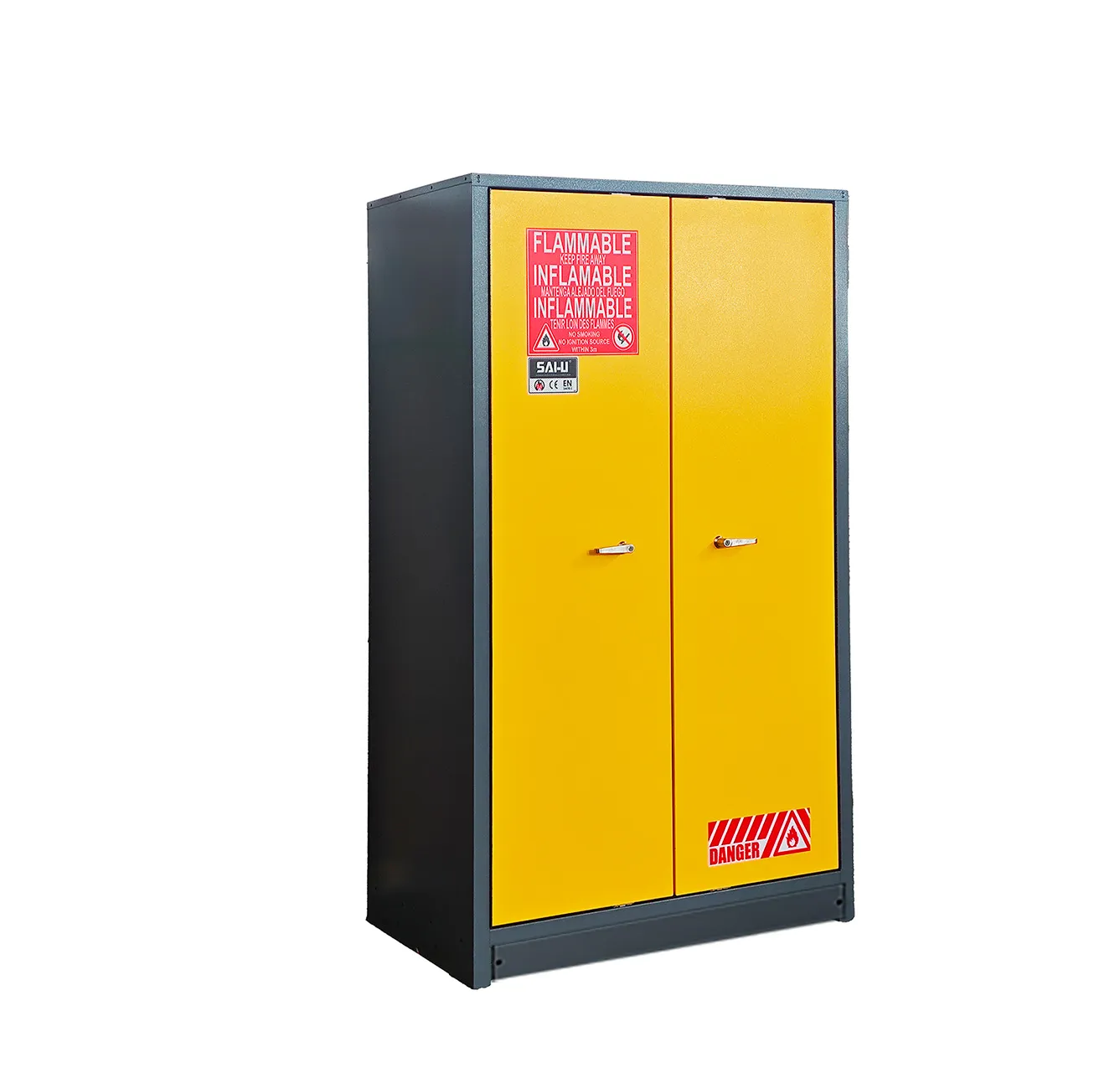
Many organizations find themselves evaluating storage solutions for dangerous goods or are required to obtain a dedicated chemical cabinet for their workplace, yet remain unclear about what these units actually entail. This overview addresses the core question: What exactly is a chemical cabinet? It explains how such cabinets help lower risks for businesses and outlines the categories of chemicals suitable for storage inside them, along with the types of workplaces that gain the most from their use. For those comparing chemical cabinets to other dangerous goods storage alternatives, this discussion clarifies the distinctions to help determine whether this equipment suits specific operational needs.
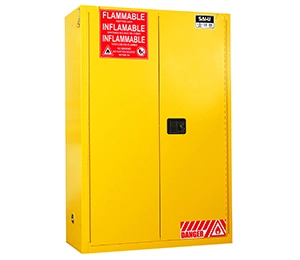
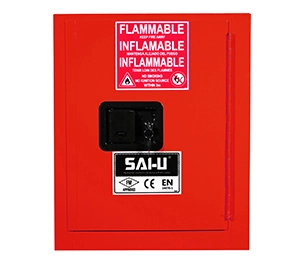
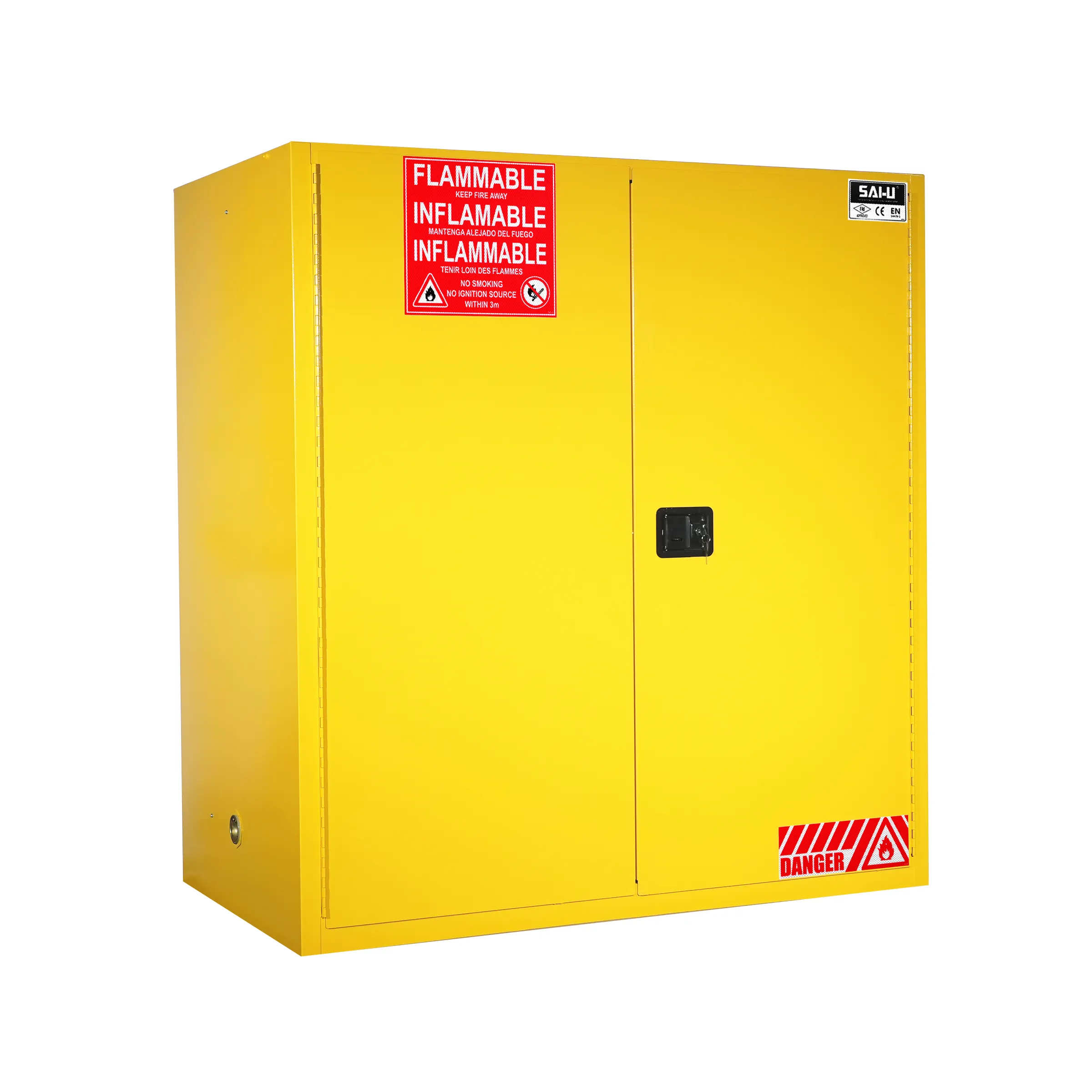
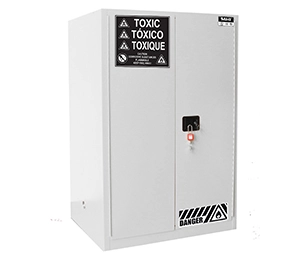
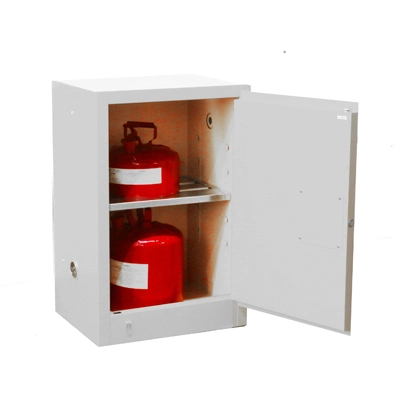
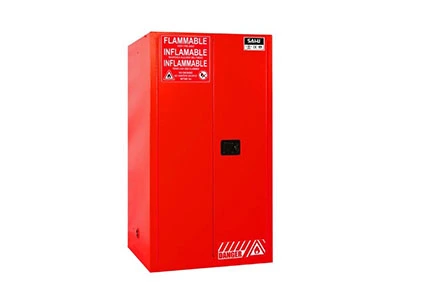
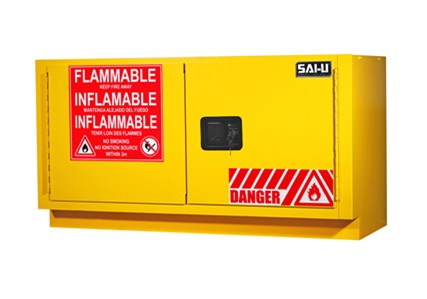
Known interchangeably as a chemical cabinet, HAZMAT storage cabinet, or safety cabinet, this equipment ranks among the most widely adopted solutions for storing chemicals in workplaces. In contrast to custom-built chemical storage rooms constructed directly on-site, an indoor chemical cabinet offers a prefabricated, ready-to-use option that is straightforward to install, relocate, or reposition as needed. These cabinets incorporate targeted safety features designed to reduce the probability and severity of incidents such as fires, spills, or the release of harmful vapors. For companies requiring secure indoor storage of hazardous chemicals and dangerous goods, chemical cabinets remain the preferred choice.
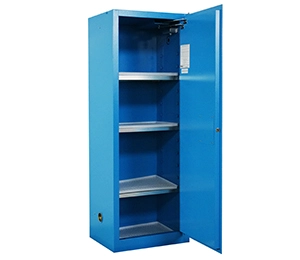
Their advantages make them particularly appealing. They provide a cost-effective alternative to building a dedicated on-site chemical store, as a fully assembled unit requires no custom construction. Each cabinet comes equipped with comprehensive risk mitigation measures already integrated into its design and build, ensuring top-tier protection for stored substances. Built from robust sheet steel, they deliver long-lasting durability, often serving as a reliable investment that protects materials for many years or even decades. Adjustable shelving inside allows accommodation of chemical containers in a wide variety of sizes and shapes, adding considerable flexibility. If a facility relocates or reorganizes its layout, the cabinet can be reinstalled in a new area with minimal disruption.
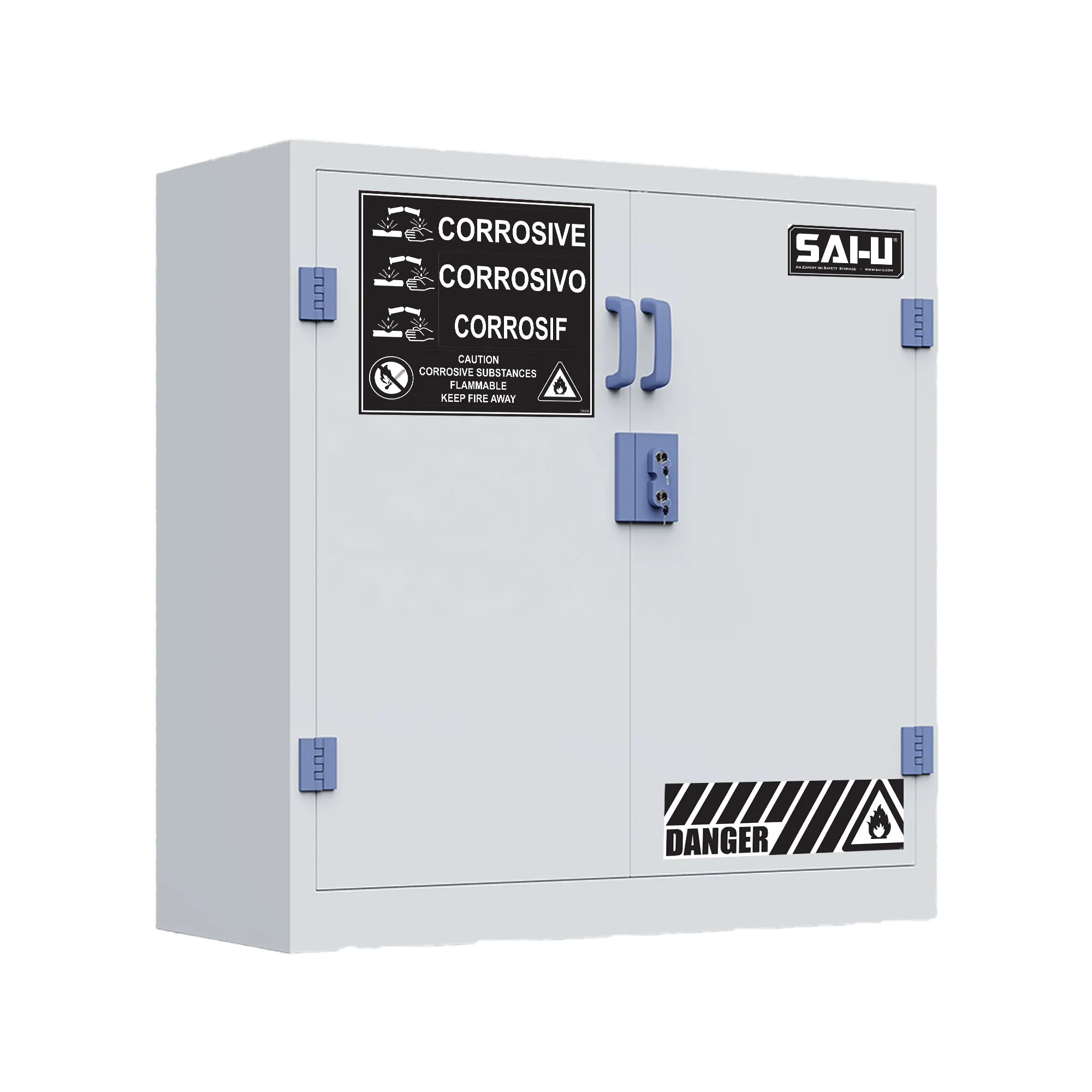
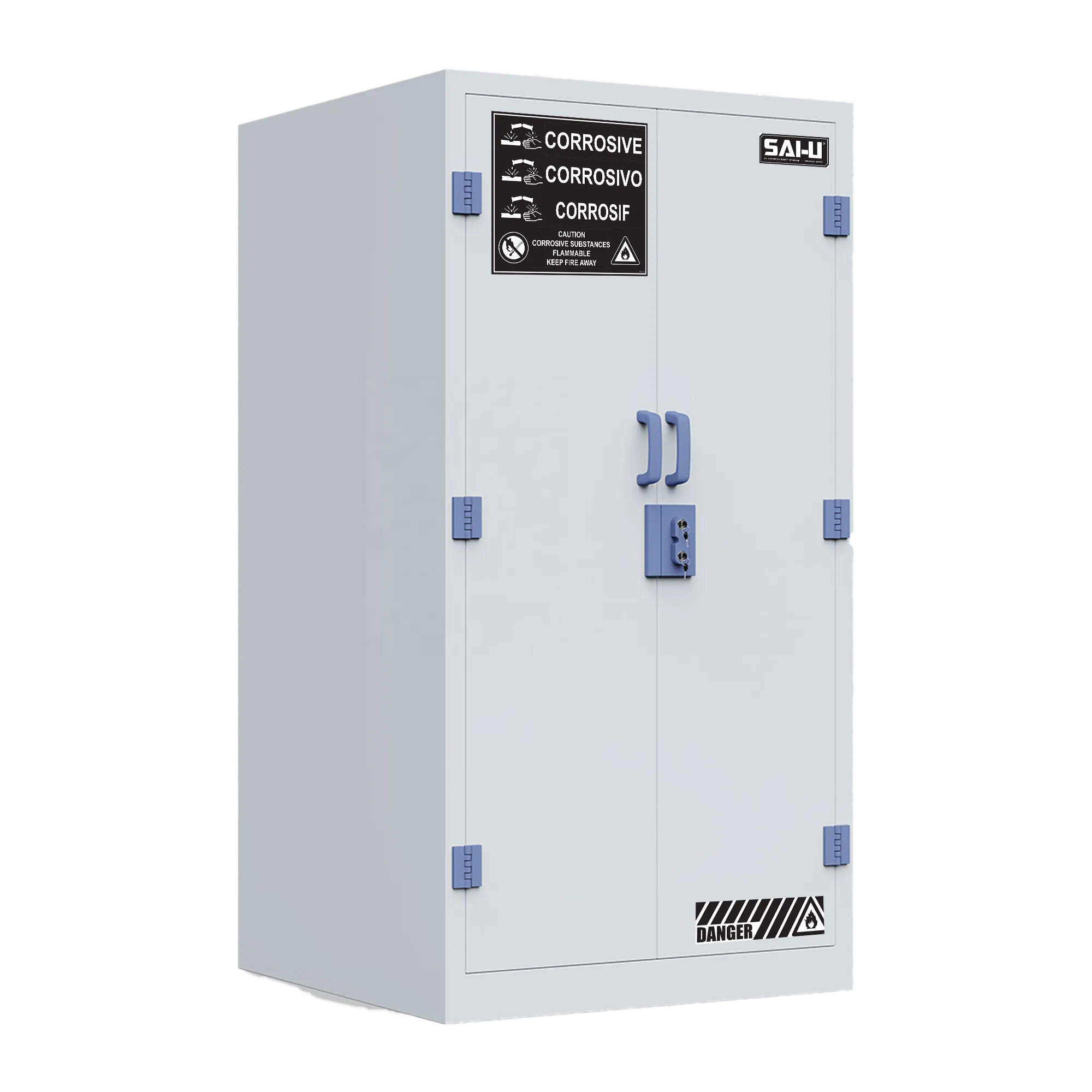
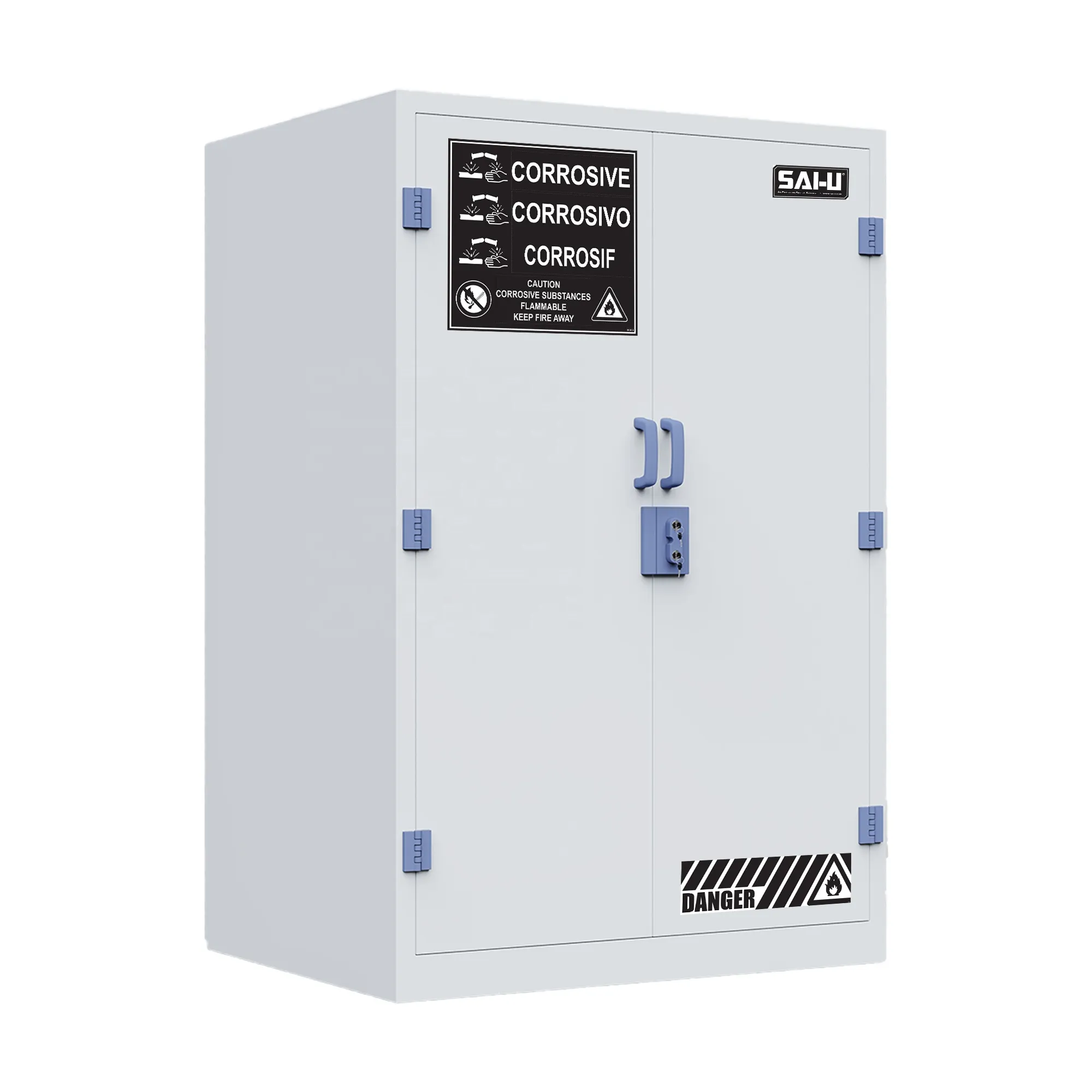
Chemical storage cabinets are engineered to safely contain one specific class of dangerous goods, meaning separate cabinet types exist for different hazard categories. These include Class 3 Flammable Liquids, Class 4 Flammable Solids, Class 5.1 Oxidising Agents, Class 5.2 Organic Peroxides, Class 6 Toxic Substances, and Class 8 Corrosive Substances. For gases—such as Class 2.1 Flammable Gases or Class 2.2 Non-Flammable, Non-Toxic Gases—specialized gas bottle cages are strongly recommended instead, since gases demand distinct safety controls that cabinets do not provide.
Each cabinet variant includes features tailored to the unique risks of its assigned chemical class. For instance, cabinets intended for flammable liquids address dangers like fire or explosion triggered by vapors contacting an ignition source. They incorporate self-closing, close-fitting doors secured by multiple automatic catches, creating effective vapor containment, a liquid-tight seal, and a barrier against heat during a fire. In contrast, cabinets designed for corrosive substances include PVC spill trays on the shelves to shield the cabinet structure from chemical degradation and prevent damage from corrosive attack—a feature exclusive to this category.
When handling any hazardous chemicals or dangerous goods, it is essential to follow strict segregation guidelines. Incompatible substances can react violently if mixed, so proper separation protocols must always be observed in storage areas.
While chemical cabinets serve indoor workplace environments, chemical storage containers fulfill a parallel role for outdoor settings. Outdoor containers are engineered differently, offering resilience against weather conditions like heavy rain, high winds, extreme temperatures, and physical impacts from vehicles or storm debris. Although regulations do not explicitly forbid placing a chemical cabinet outdoors, using them exclusively indoors is the recommended approach to maintain safety and performance standards.
Any workplace that handles dangerous goods indoors can potentially benefit from chemical cabinets. These units support a broad spectrum of sectors, ranging from manufacturing facilities and hospitality venues to government agencies and educational institutions, all relying on them to securely store hazardous substances. Smaller operations, such as painting contractors, often employ compact cabinets for paints and thinners, whereas larger enterprises may deploy multiple cabinets to manage diverse classes of dangerous goods simultaneously.
One critical factor to evaluate is the quantity of chemicals intended for indoor storage. Regulations impose limits on maximum volumes, including restrictions on the total aggregate capacity of cabinets within a given work area. Consulting the relevant Australian Standard offers clear guidance on these requirements and ensures full compliance when storing hazardous chemicals in safety cabinets.
The primary motivation for selecting a chemical cabinet lies in its ability to significantly mitigate the hazards posed by on-site chemicals. These units incorporate various safety elements—some class-specific and others broadly applicable—to manage risks effectively.
Compliant cabinets feature double-walled sheet steel construction paired with a 40mm thermic air barrier, delivering exceptional durability, resistance to chemical corrosion, and reliable protection against heat and fire exposure. Self-closing, tight-fitting doors deliver multiple layers of defense by forming a barrier to heat and flames (especially vital for volatile substances like flammable liquids), containing accidental spills or leaks from damaged containers, and trapping hazardous vapors released from unsealed or improperly closed packages.
Perforated shelving further enhances safety by enabling consistent airflow throughout the cabinet. The numerous openings in each shelf prevent localized vapor accumulation, reducing the chance of dangerous concentrations forming and ensuring safer conditions when staff access stored items.