Shanghai SAI-U Metal Products Co., Ltd.
Products

What is a Spill Containment Pallet? (The Ultimate Guide)

Table of Content [Hide]

    In industrial facilities, warehouses, and manufacturing plants, the safe storage of hazardous liquids is not just a best practice—it is a strict legal requirement. If your facility handles chemicals, oils, or solvents, you have likely encountered the term "secondary containment." At the heart of most secondary containment strategies is a crucial piece of equipment: the containment pallet.

    But what exactly is it, how does it work, and how do you know if you are choosing the right one for your facility? In this comprehensive guide, we will explore everything you need to know about spill containment pallets.


    Introduction: Understanding Spill Containment

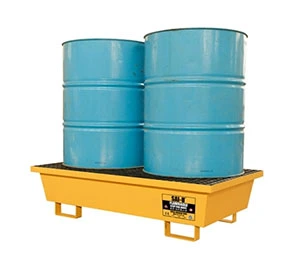
    In simple terms, a spill containment pallet (often referred to as a secondary containment pallet) is a specially designed platform used to store containers of hazardous liquids, such as standard 55-gallon drums or IBC (Intermediate Bulk Container) totes.

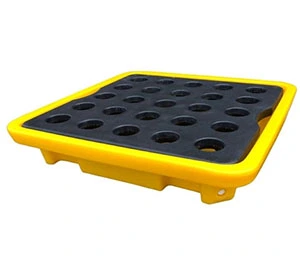
    Unlike standard wooden or plastic shipping pallets, a containment pallet features a hollow, leak-proof base known as a "sump." If a drum leaks, drips, or catastrophically fails, the hazardous liquid flows through the top grating of the pallet and is safely captured inside the sump below. This prevents the chemical from spreading across the floor, protecting your workers, your facility, and the surrounding environment.


    Why are Containment Pallets Essential?

    Investing in high-quality drum spill containment is not just about keeping your floors clean; it addresses three critical aspects of industrial operations:

    • Environmental Protection: Industrial chemicals and oils pose a severe threat to local ecosystems. If a leak reaches a floor drain or seeps into the soil, it can contaminate groundwater. Containment pallets act as the first line of defense against environmental disasters.

    • Workplace Safety: A chemical spill creates immediate slip-and-fall hazards for employees. Furthermore, spreading toxic or flammable liquids can lead to respiratory issues, chemical burns, or even fires. By isolating leaks, you maintain a safe working environment.

    • Regulatory Compliance: In many countries, secondary containment is mandated by law. Agencies like the EPA (Environmental Protection Agency) and OSHA (Occupational Safety and Health Administration) enforce strict guidelines, such as the SPCC (Spill Prevention, Control, and Countermeasure) rule. Failure to comply can result in massive fines, legal action, and facility shutdowns.


    How Does a Spill Containment Pallet Work?

    The engineering behind a secondary containment pallet is simple yet highly effective. It consists of three main components:

    1. The Grate: The top surface where the drums rest. These grates are typically flat, heavy-duty, and removable. The perforations allow spilled liquids to pass through quickly.

    2. The Sump: The hollow basin beneath the grate. Regulatory standards generally dictate that the sump capacity must be large enough to hold either 10% of the total volume of all containers on the pallet or 100% of the volume of the largest single container—whichever is greater.

    3. The Drain Plug (Optional): Many pallets feature a drain plug at the bottom, allowing maintenance teams to easily drain and recover safely captured liquids or pump out non-hazardous spills for disposal.


    Common Types & Materials of Containment Pallets

    Not all chemical spills are the same, which means your containment solutions must be tailored to your specific inventory.

    • Polyethylene (HDPE) Pallets: This is the most common material. High-density polyethylene offers incredible resistance to a wide range of corrosive chemicals, including strong acids and bases.

    • Galvanized Steel Pallets: If you are storing highly flammable liquids or aviation fuels, plastic pallets may pose a melting hazard in the event of a fire. Steel pallets provide the necessary structural integrity and fire resistance.

    • Configurations: You can find these pallets in various sizes, most commonly as 2-drum or 4-drum spill containment configurations. For massive storage needs, specially designed IBC spill pallets are used to support the immense weight of 275-gallon or 330-gallon totes.


    Containment Pallets vs. Outdoor Dangerous Goods Storage Cabinets

    While standard containment pallets are incredibly effective, they have a major limitation: they are designed primarily for indoor use or covered areas.

    If you place a standard spill containment pallet completely outdoors, you run into significant problems. Rainwater will quickly fill the containment sump, rendering it useless (and non-compliant) when an actual chemical leak occurs. Furthermore, prolonged exposure to harsh UV rays can degrade plastic materials over time.

    So, what should you do if your facility lacks indoor space and you must store chemicals outside?

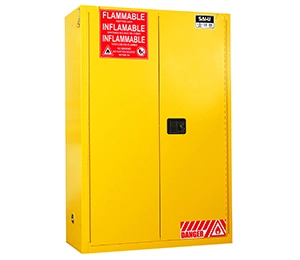
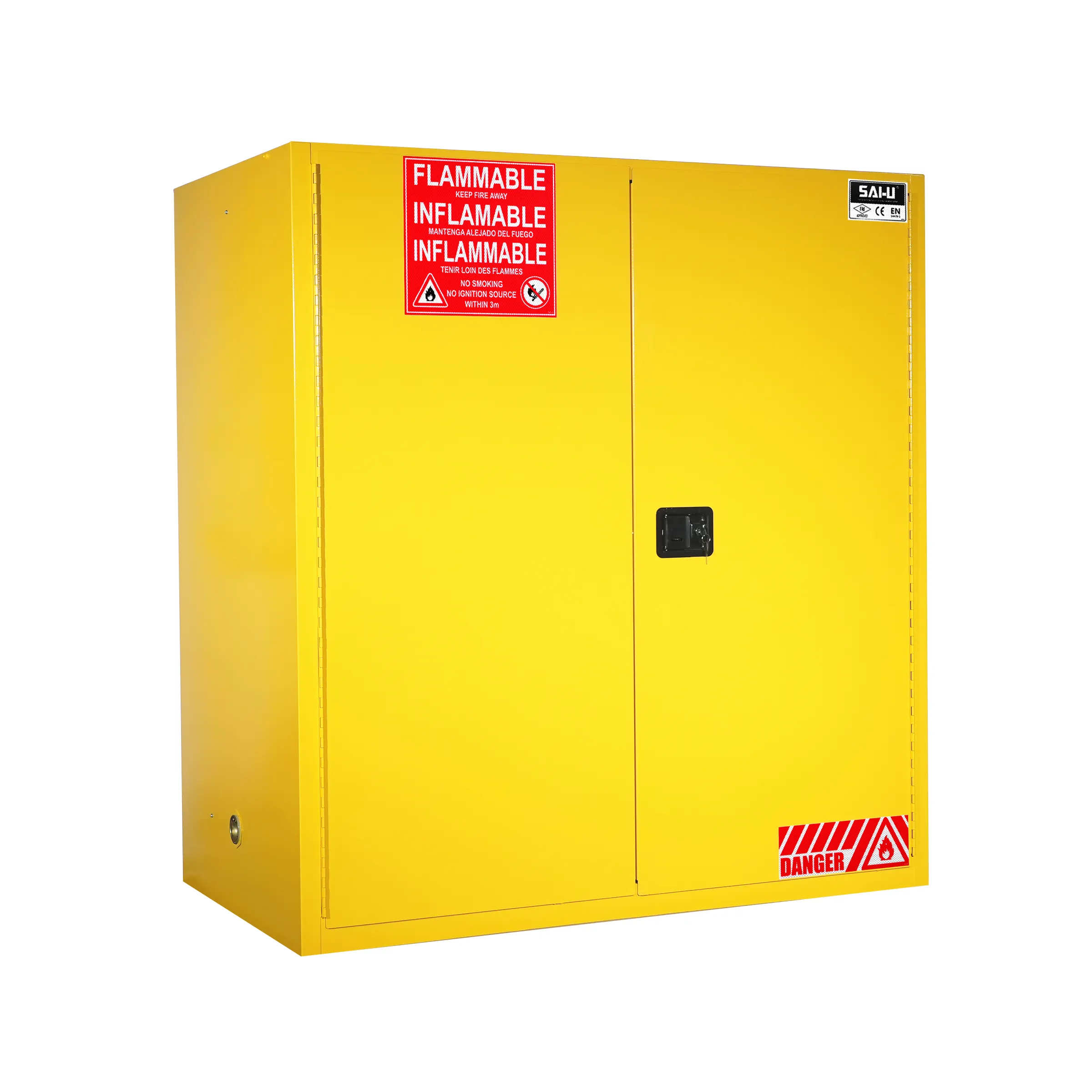
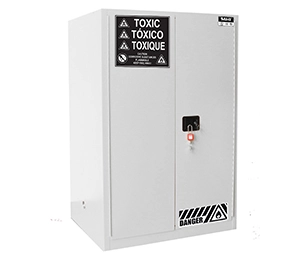
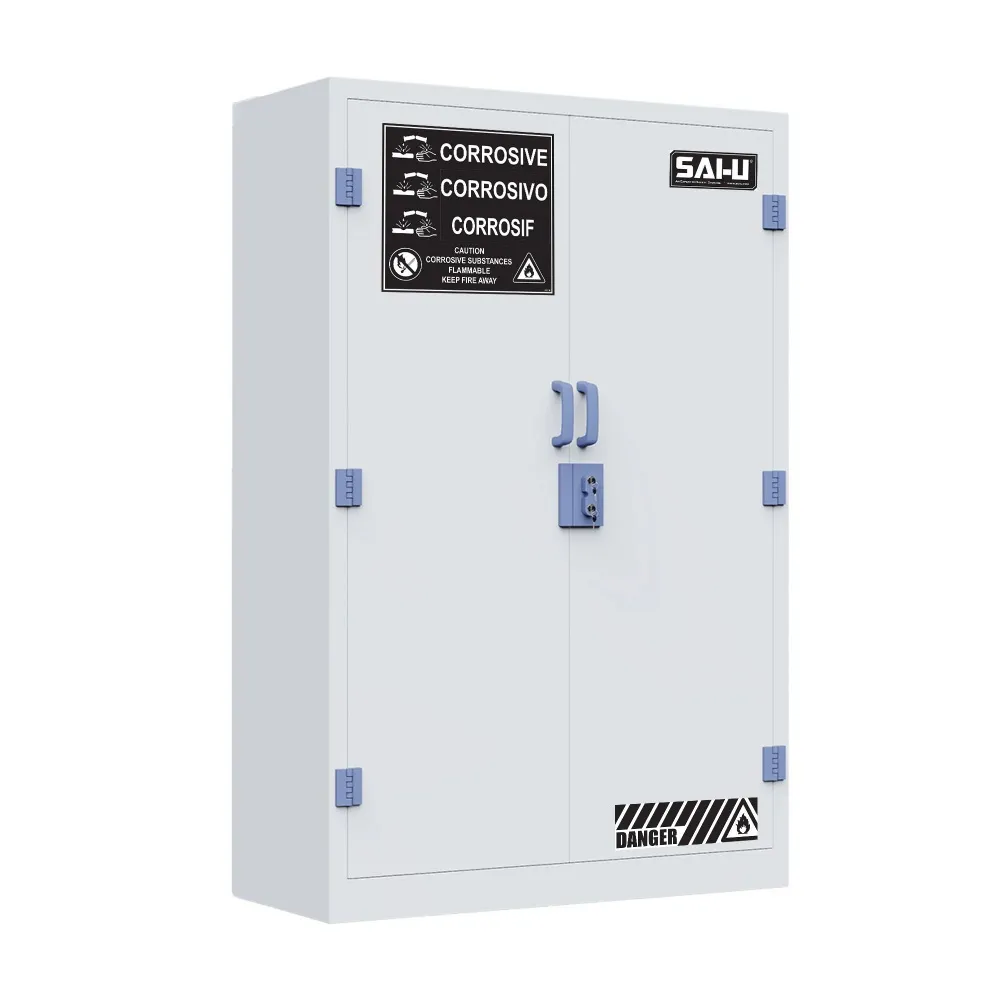
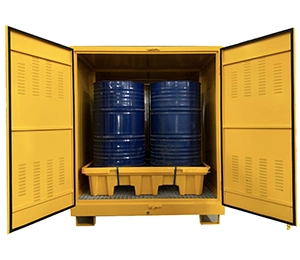
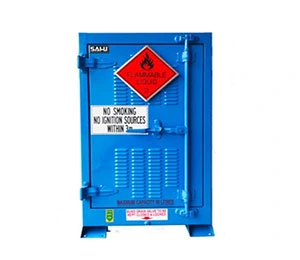
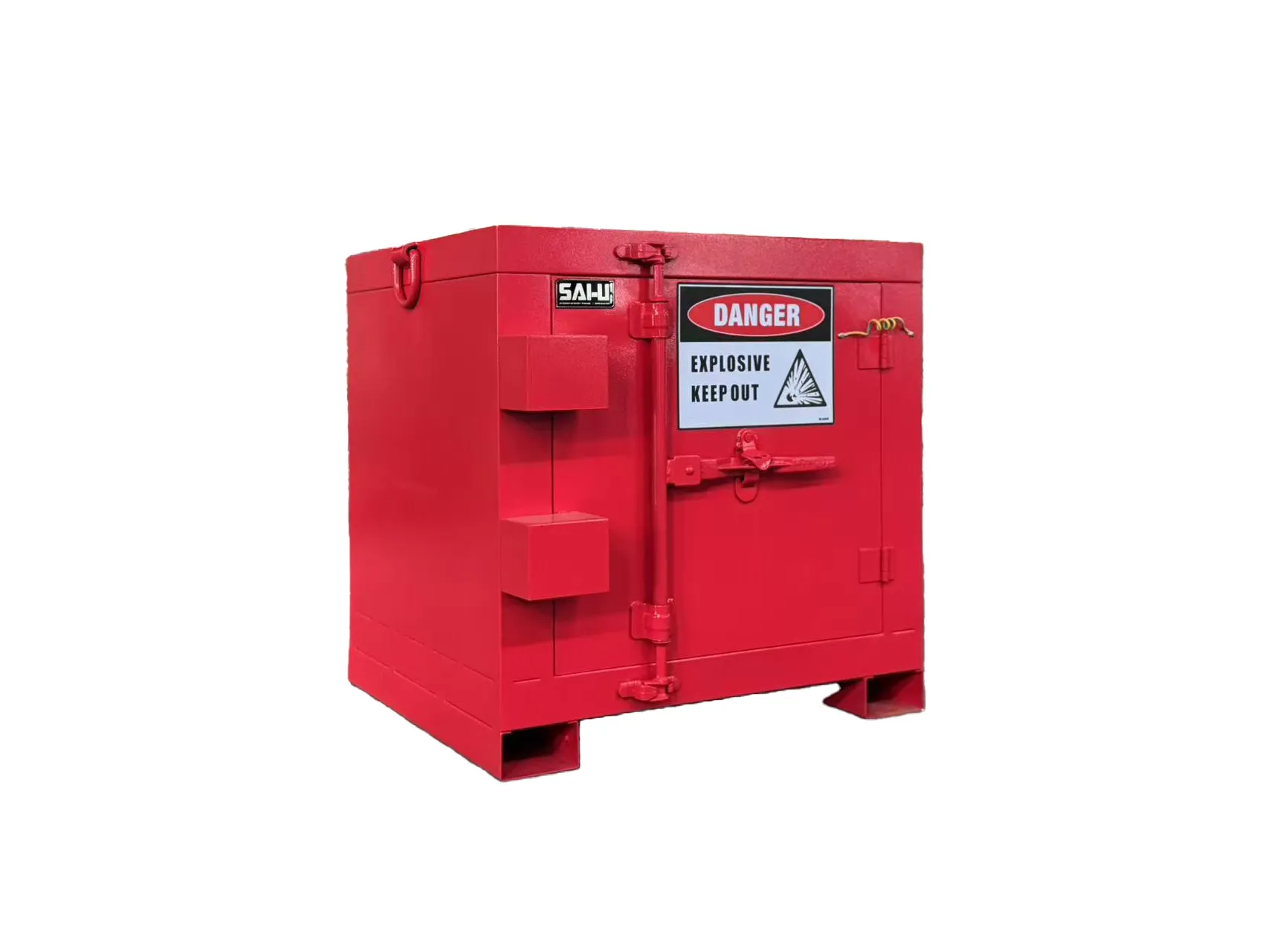
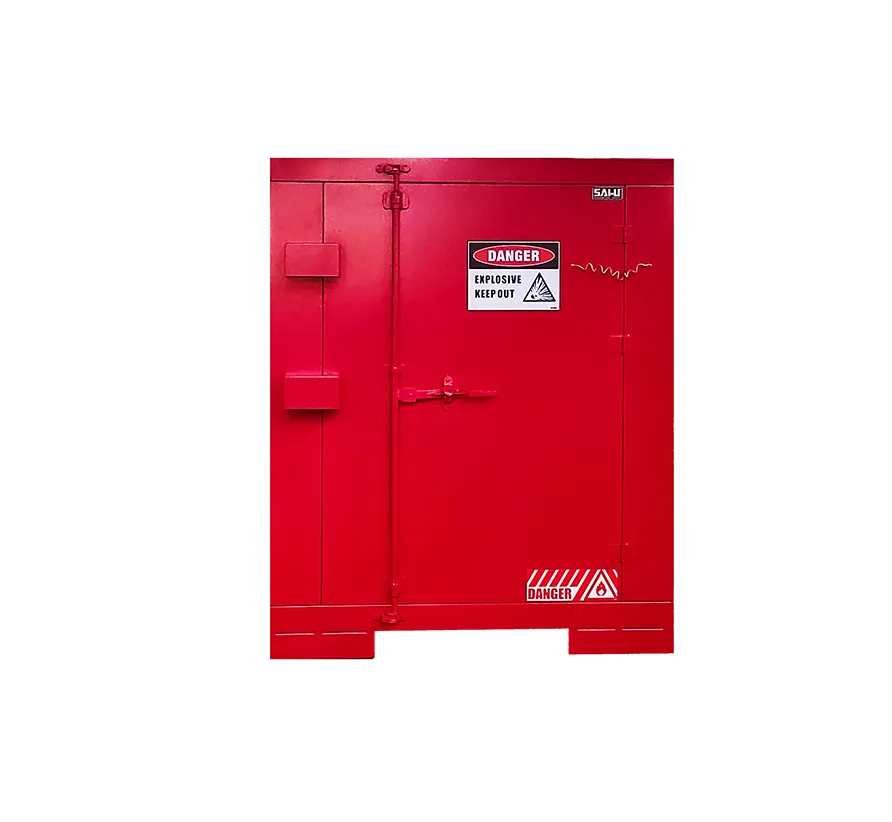
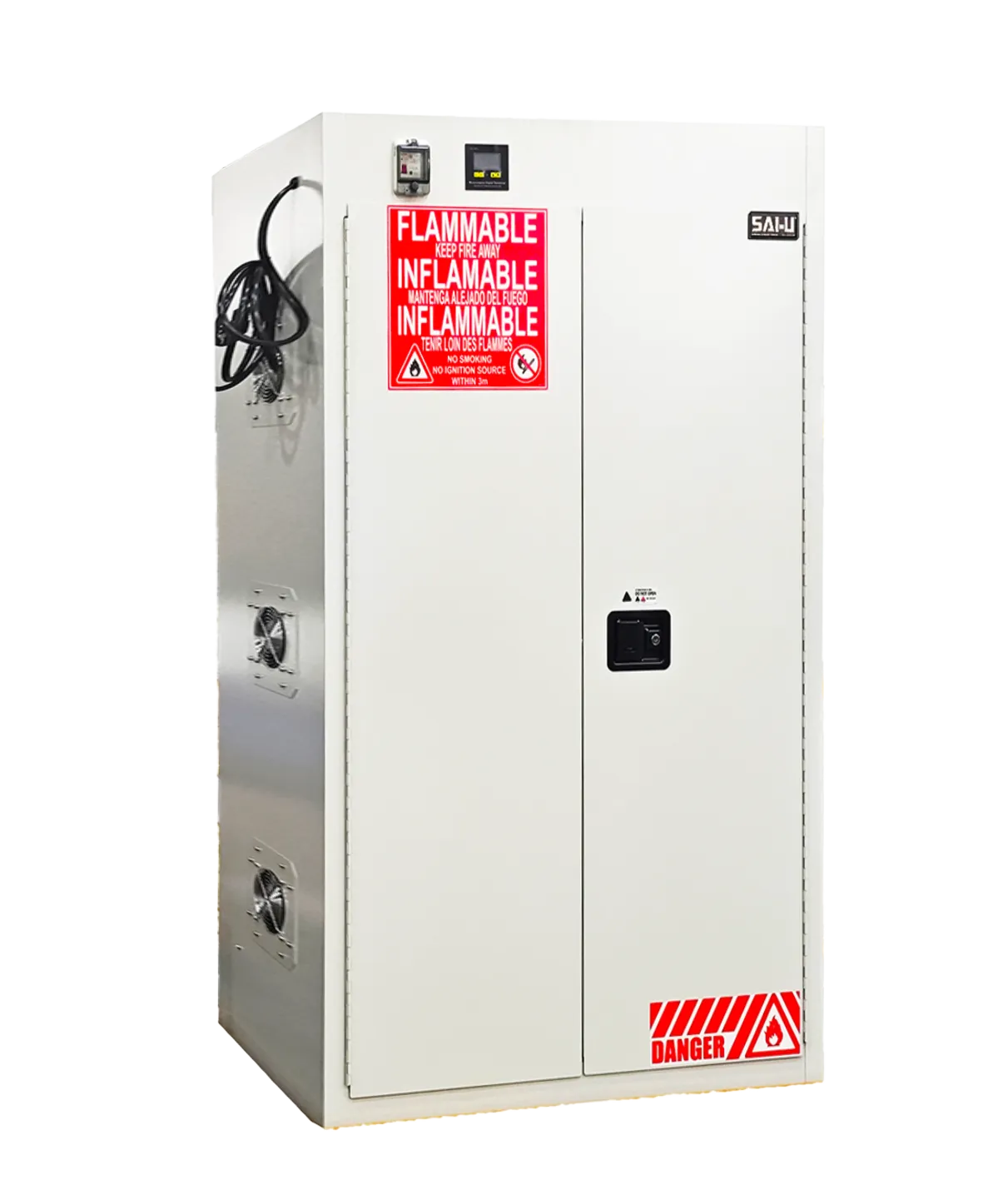
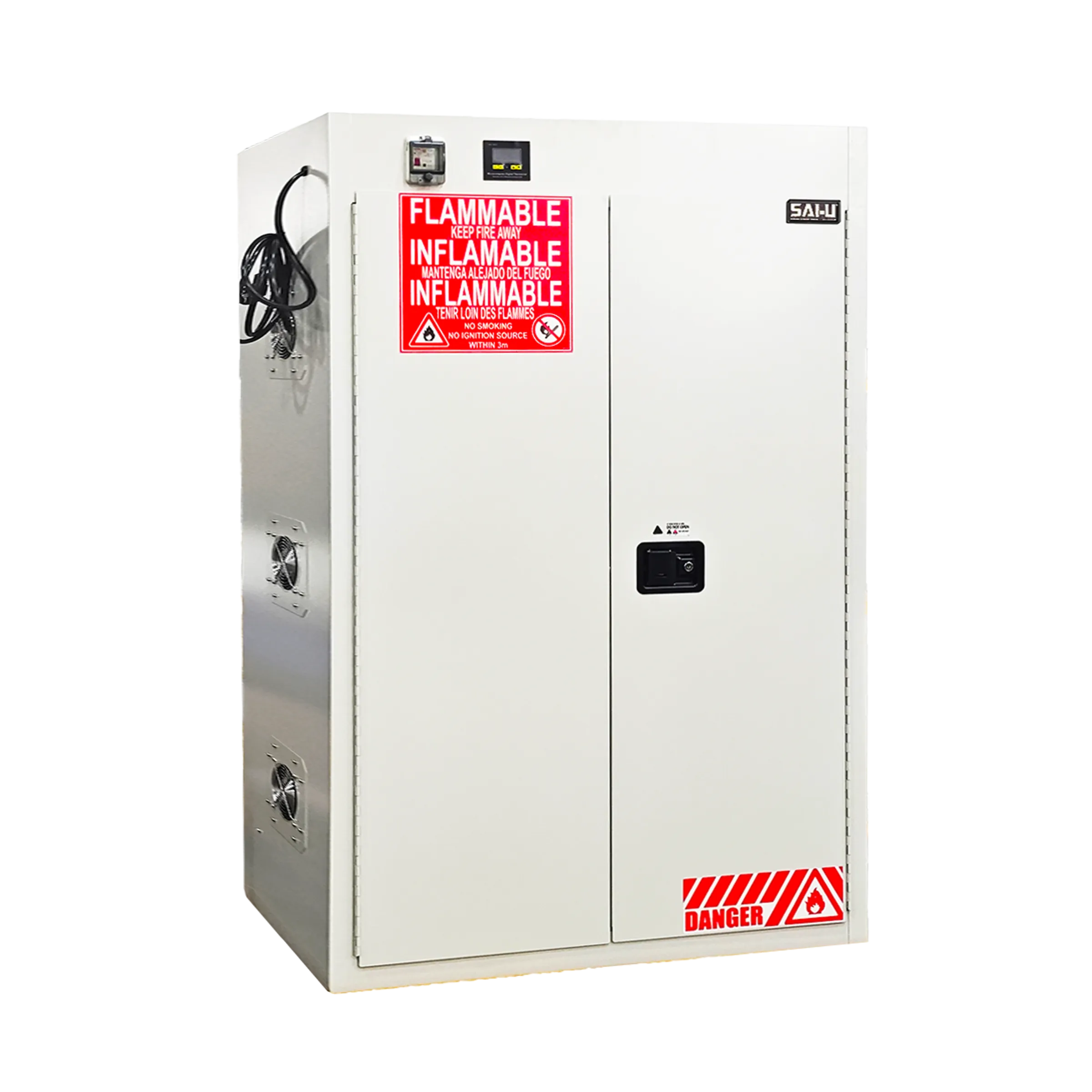
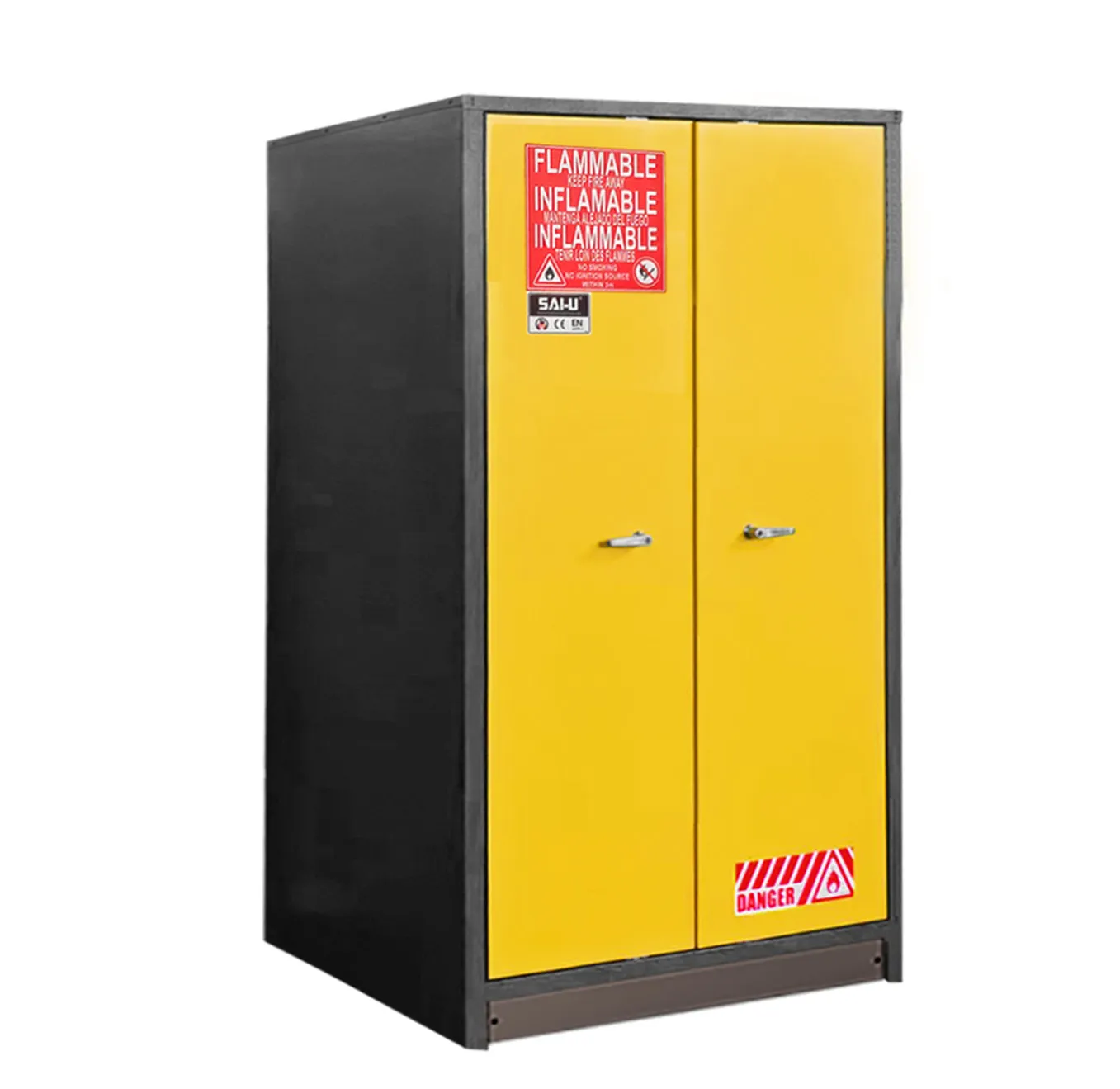
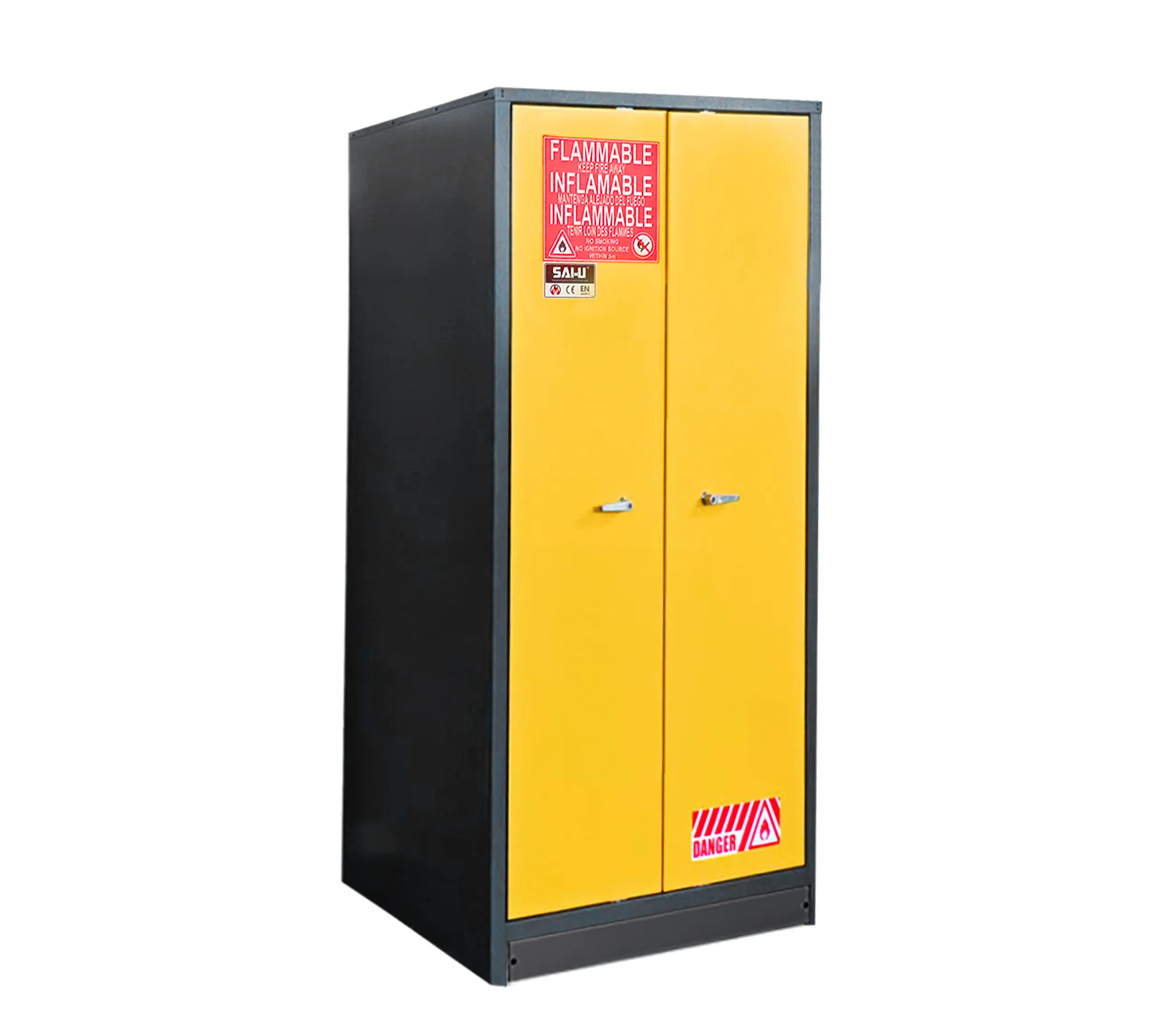
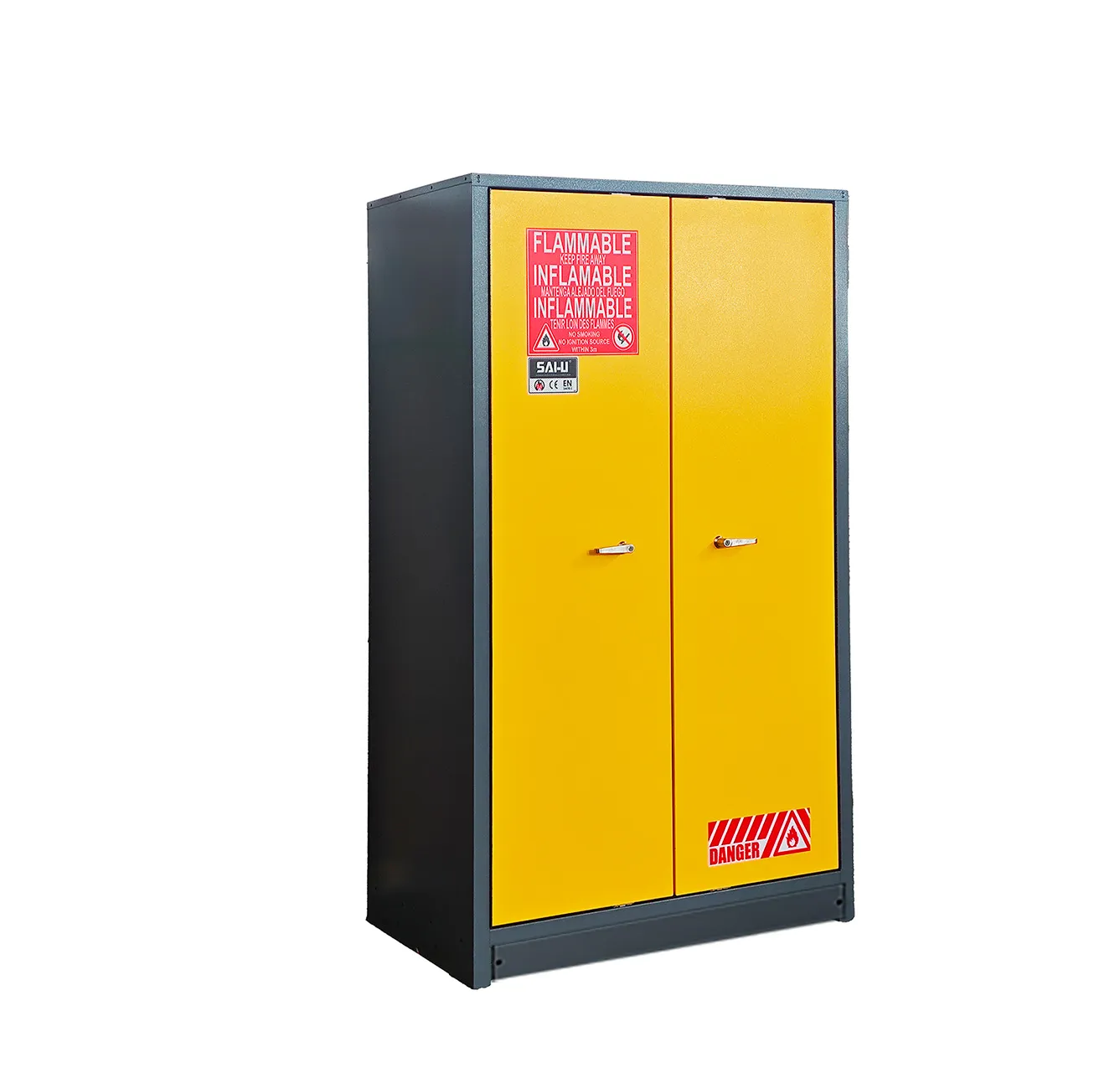
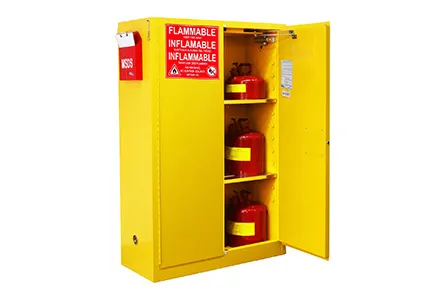
    For fully exposed outdoor environments, you need more than just a pallet. AnOutdoor Dangerous Goods Storage Cabinetprovides the ultimate solution. These heavy-duty units offer weatherproof protection, UV shielding, secure locking mechanisms to prevent unauthorized access, and integrated secondary containment sumps. They ensure that your hazardous goods remain safe, dry, and fully compliant, regardless of the weather conditions.


    Conclusion

    Understanding what a spill containment pallet is and implementing it correctly is vital for the safety, compliance, and efficiency of your business. Whether you need a simple 4-drum HDPE pallet for your warehouse or a robust outdoor storage solution, choosing the right equipment saves you from costly fines and dangerous accidents.

    If you are unsure which hazardous storage solution is right for your facility, the experts atSaiu Globalare here to help. Explore our full range of industrial safety products today, or contact our team for personalized recommendations to keep your workplace secure and compliant.


    References
    PREV: No information