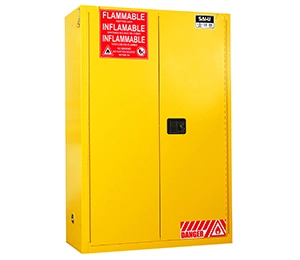
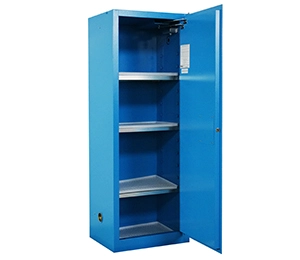
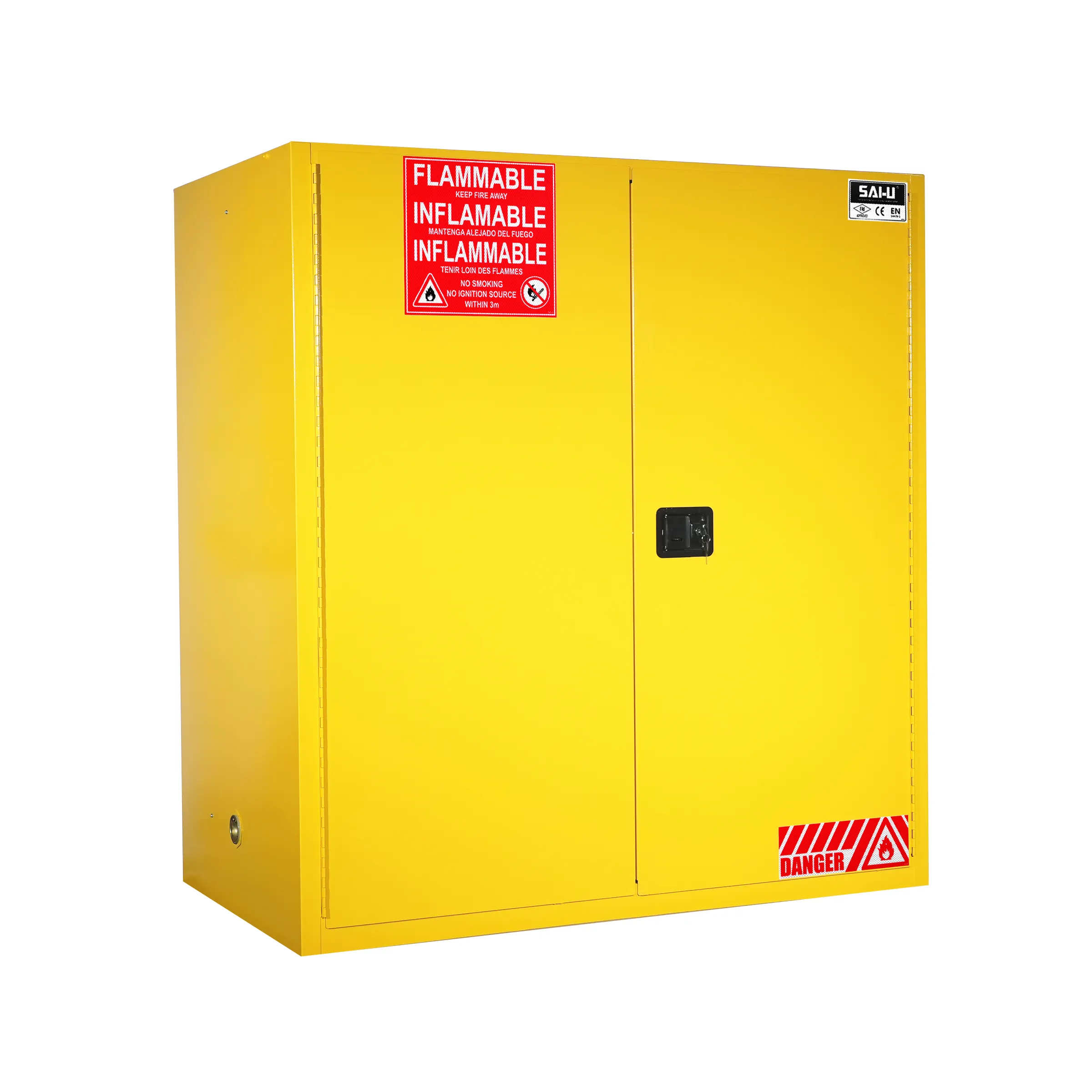
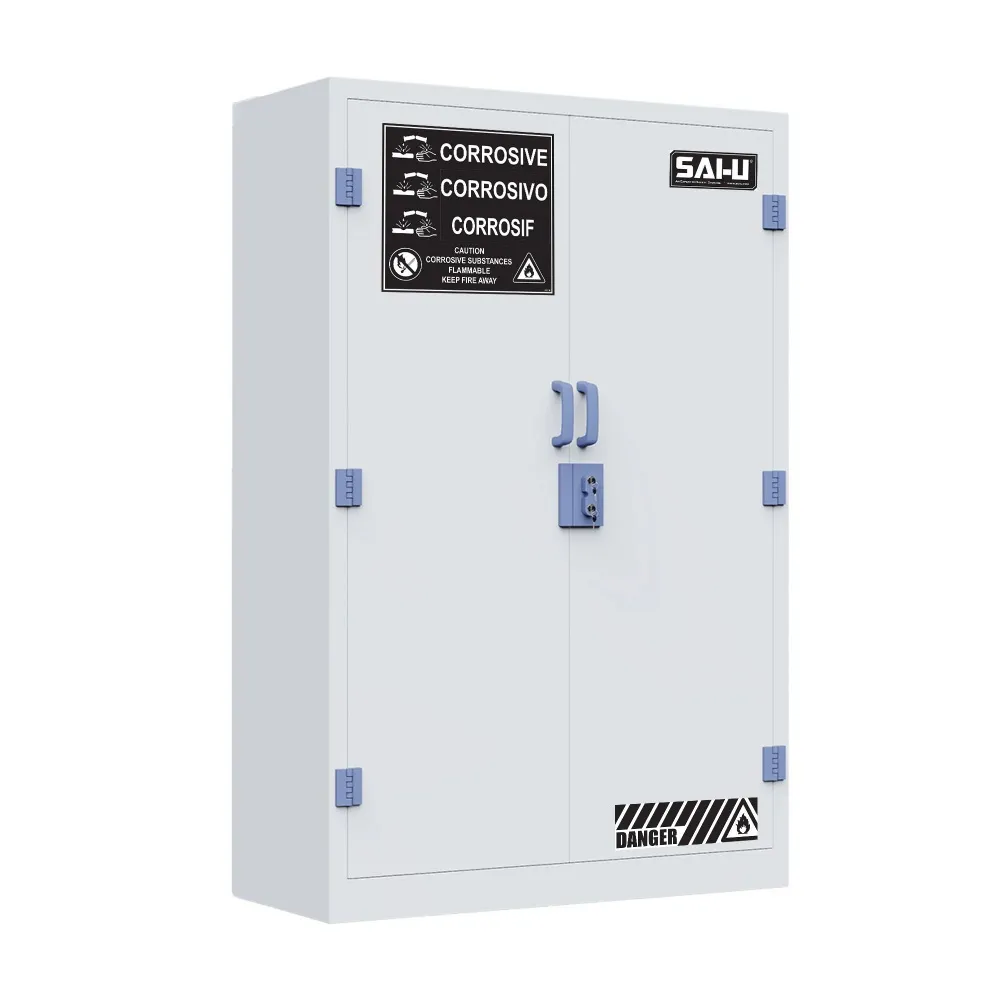
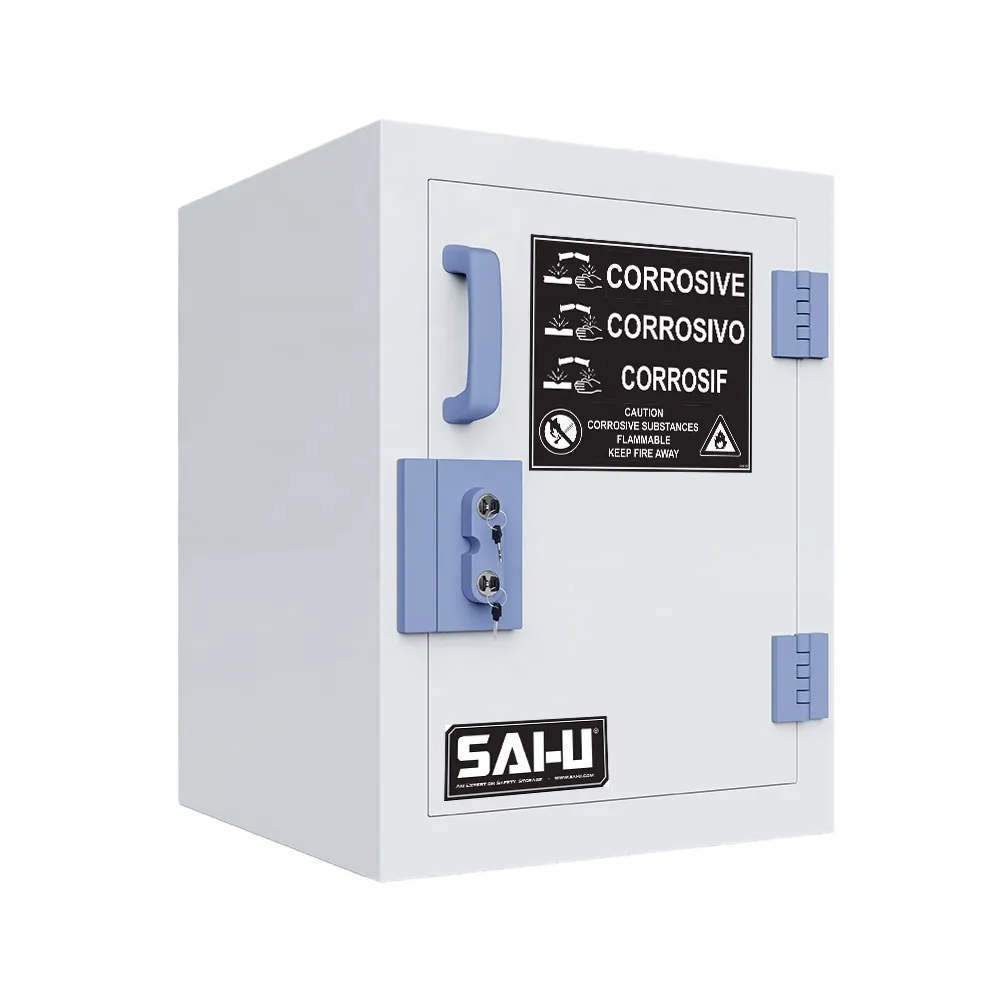
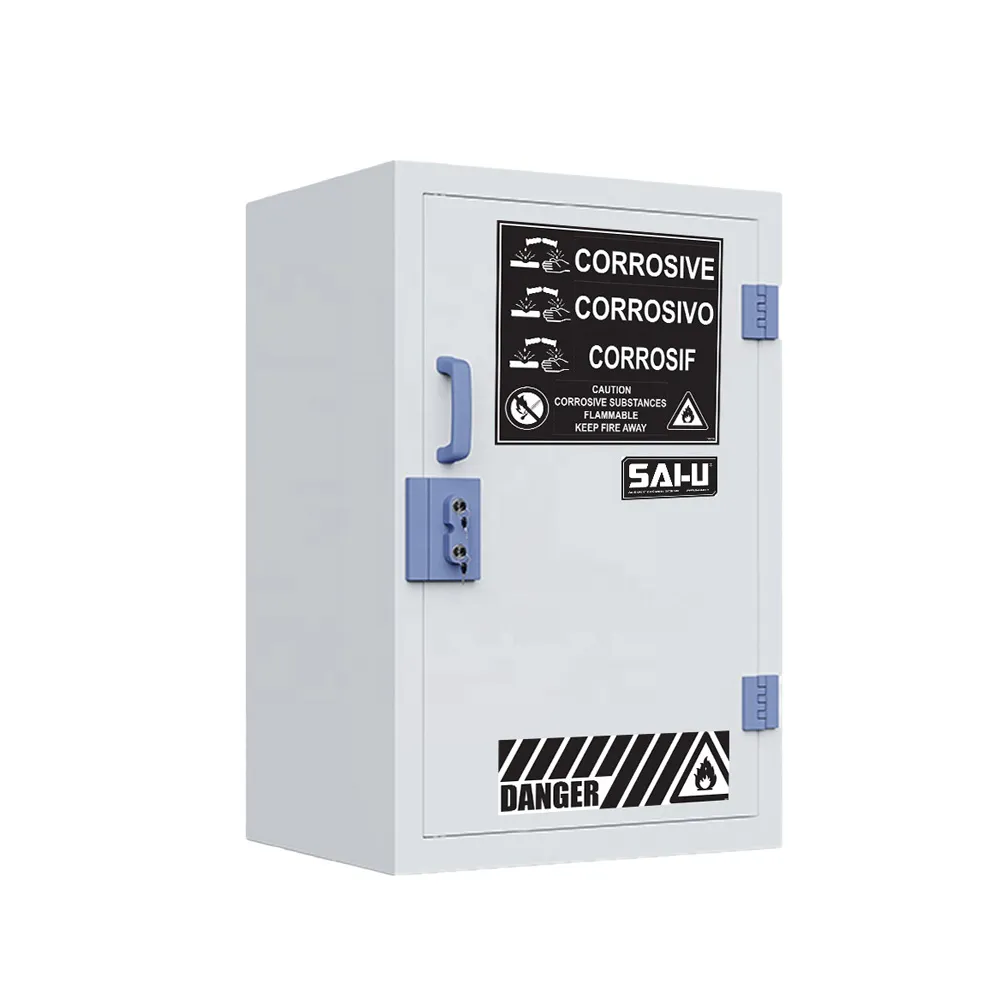
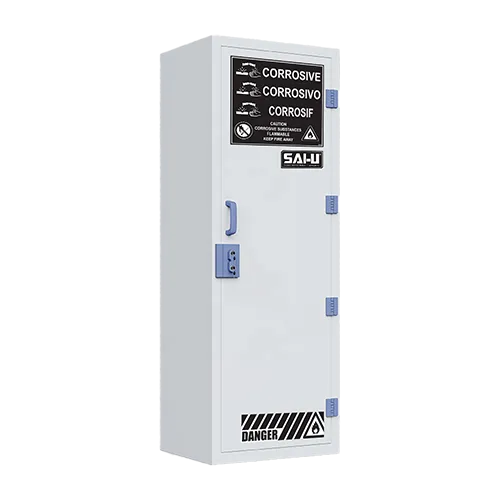
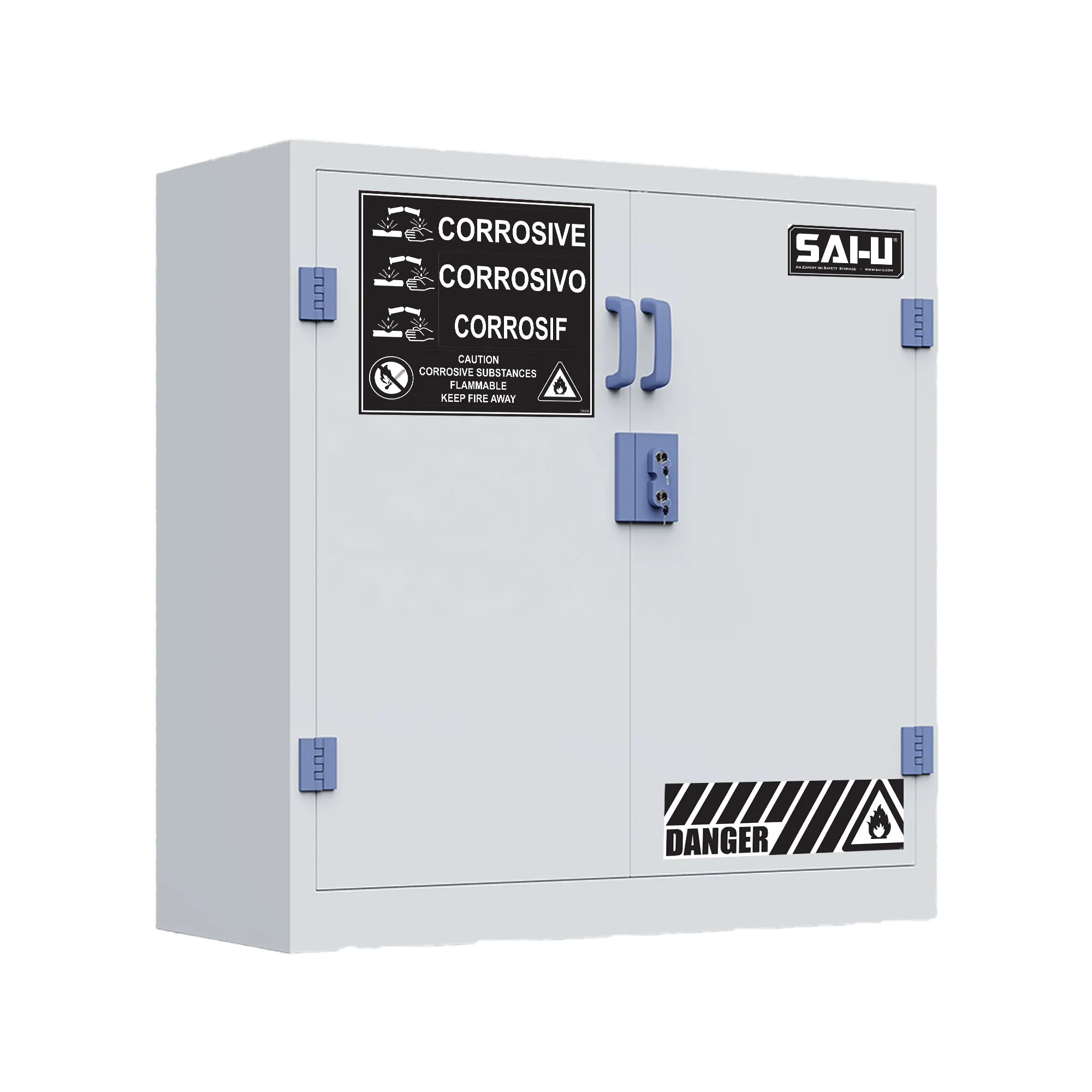
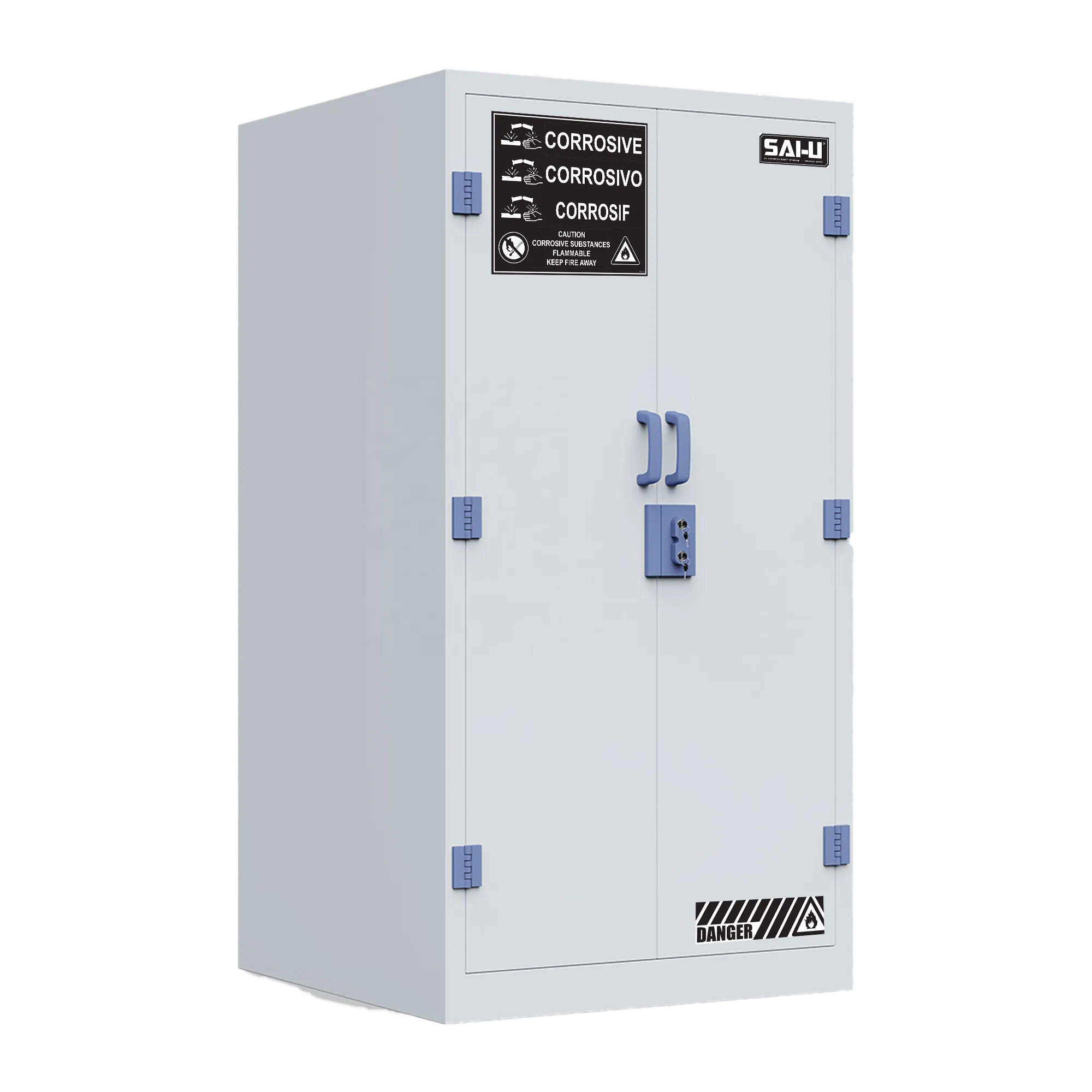
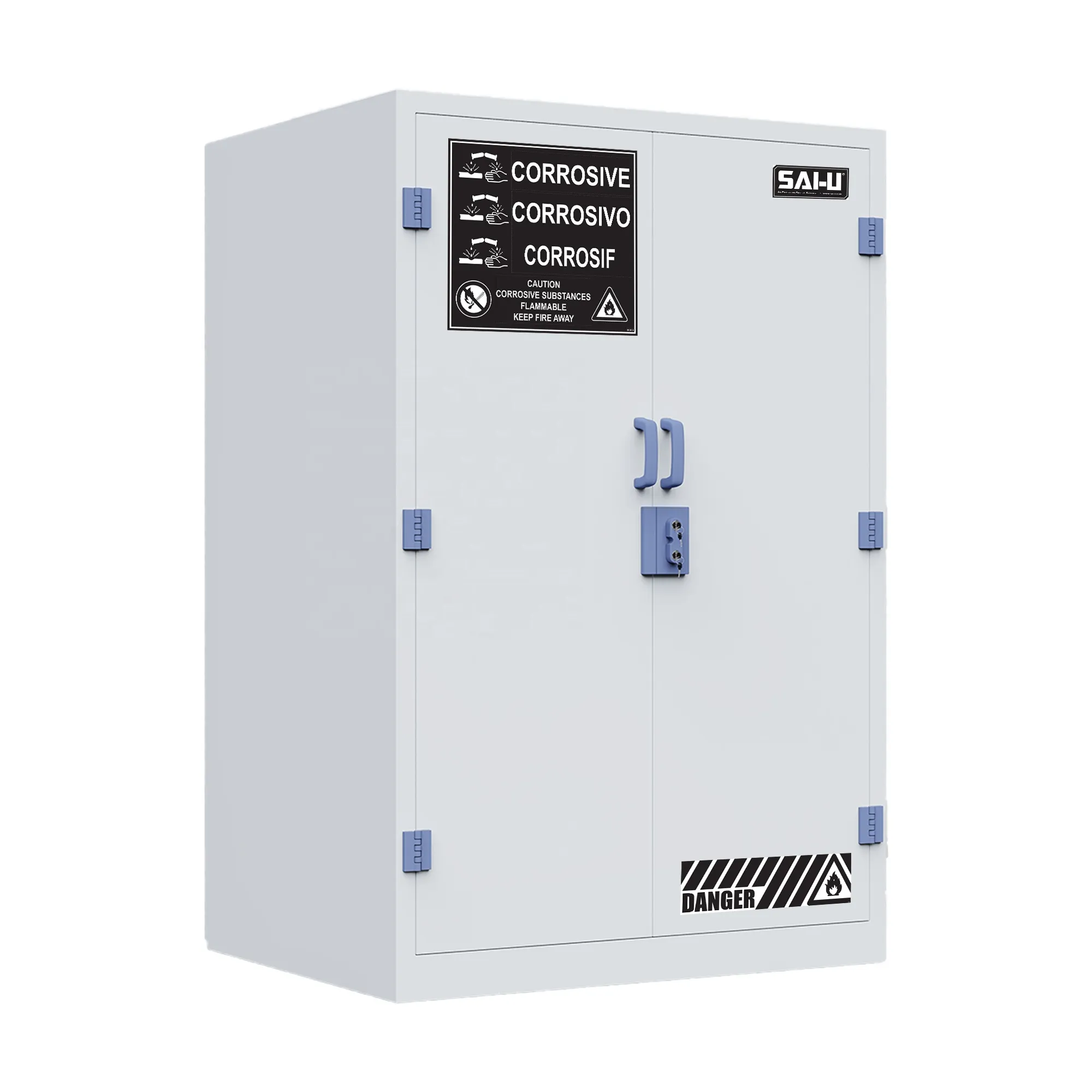
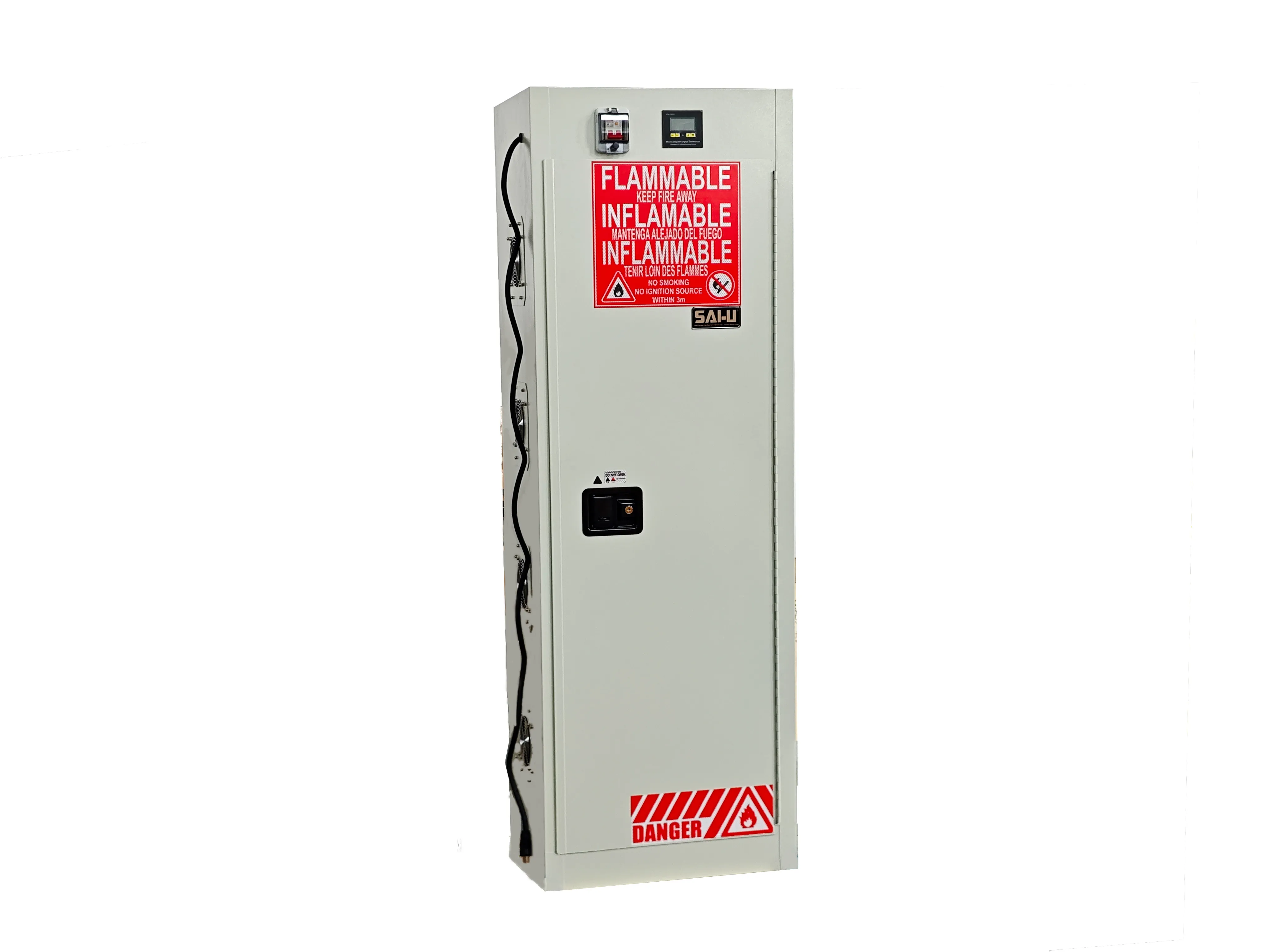
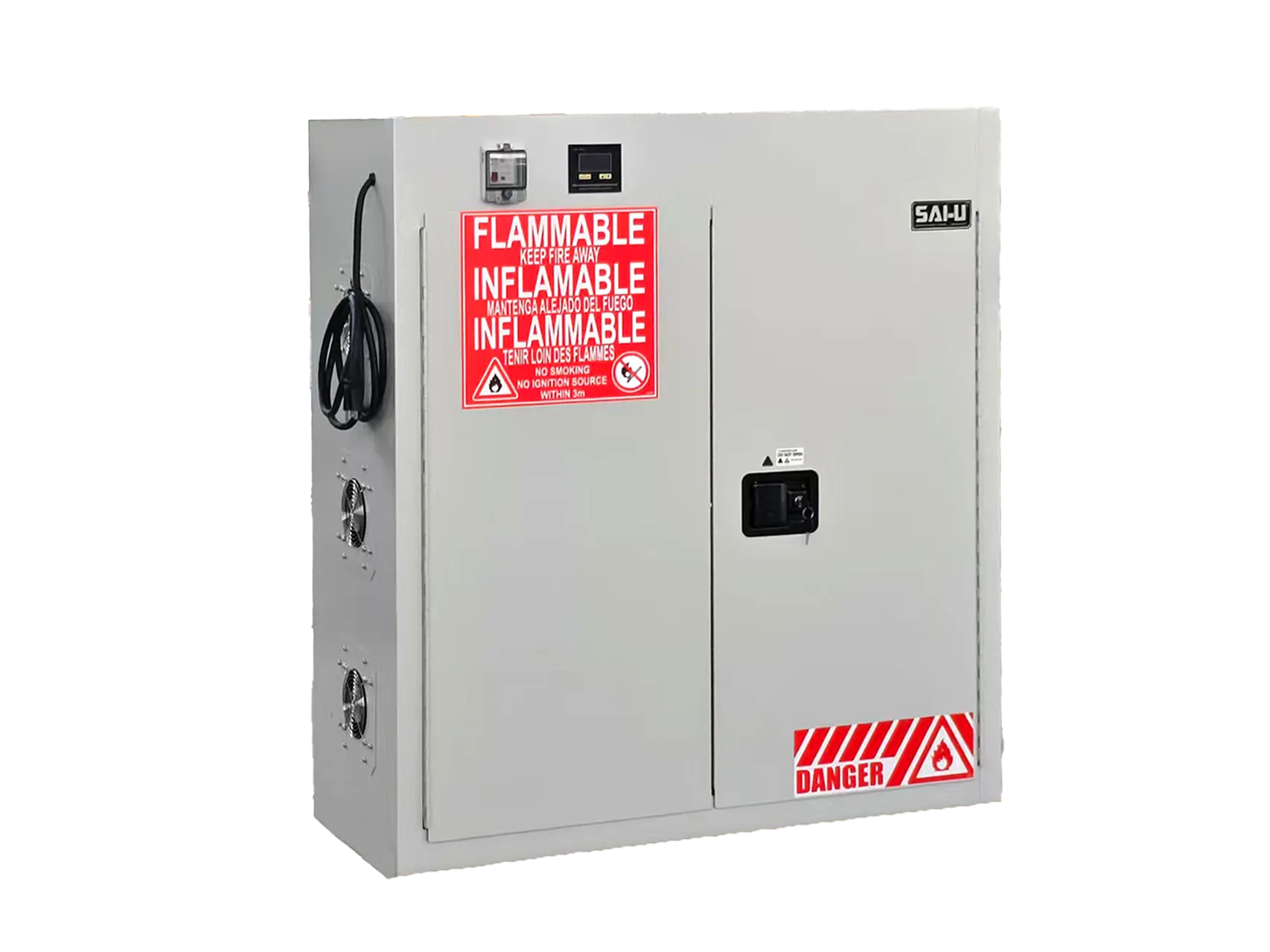
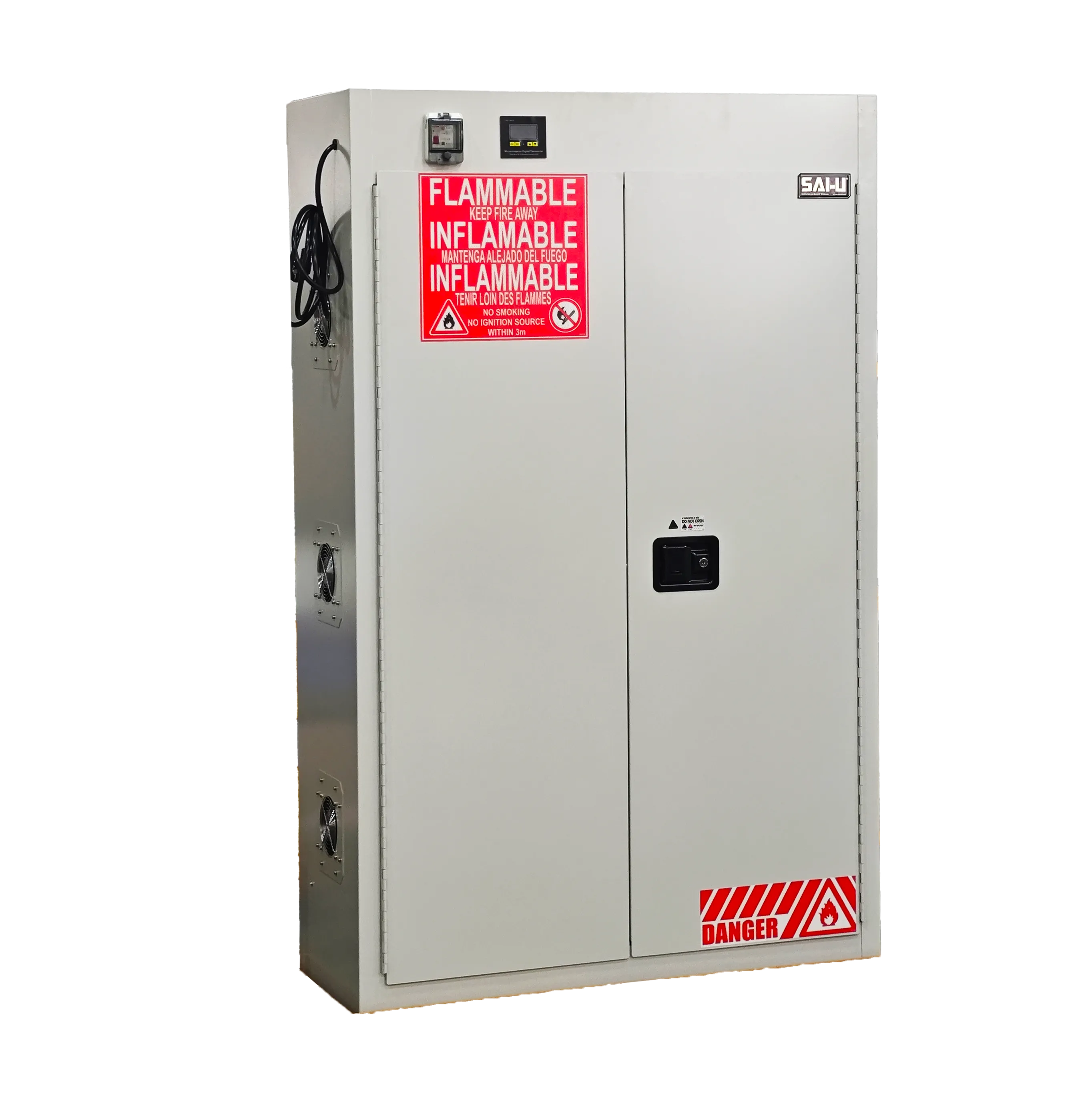
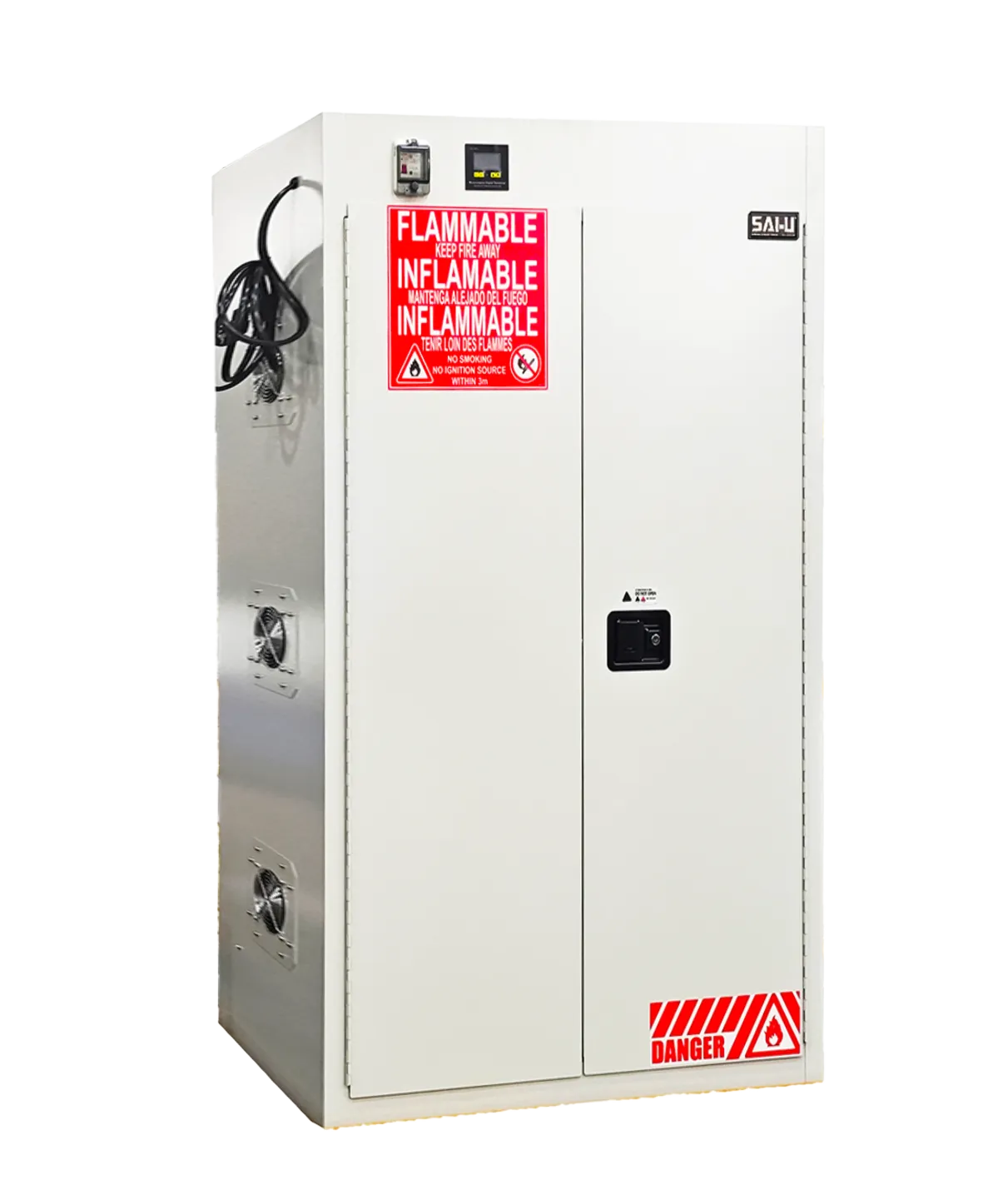
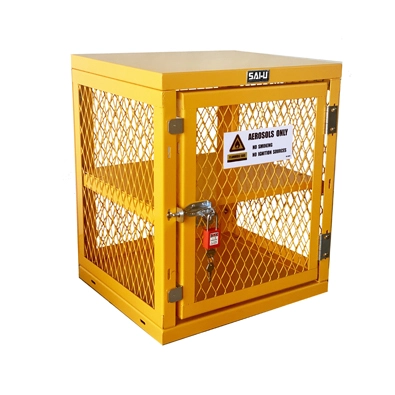
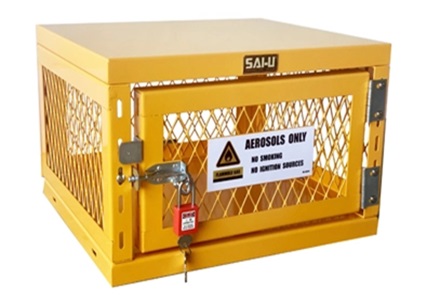
A PPE storage cabinet should be configured around the site's PPE inventory, workforce, access pattern and replenishment cycle—not simply the number of shelves in a catalog model. For most industrial buyers, the key questions are: How much PPE must be stored? Which items need separate zones? Who needs access? How often will stock be replenished? Once these questions are answered, cabinet size and internal configuration become much easier to specify.
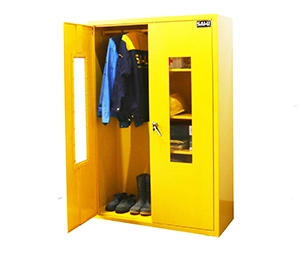
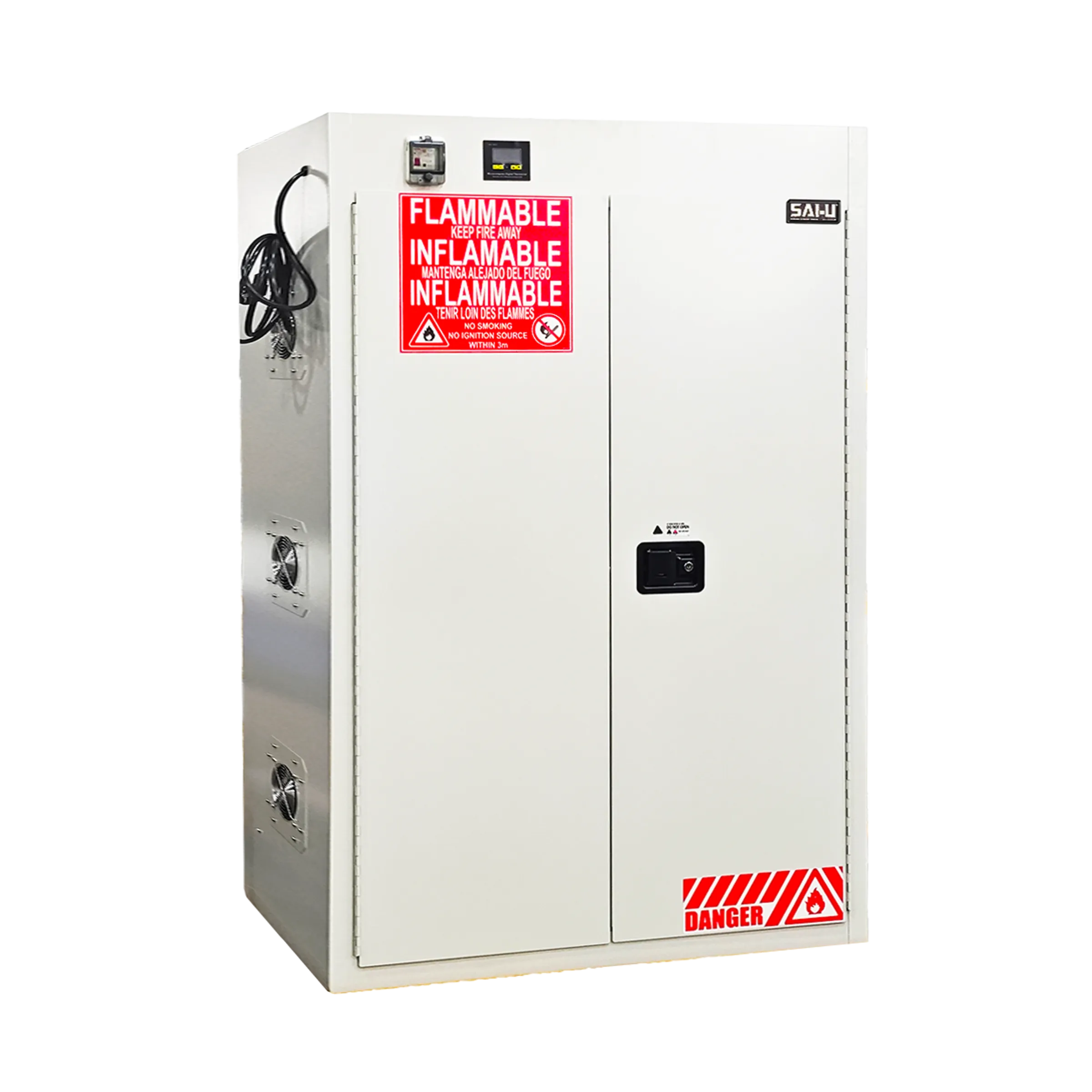
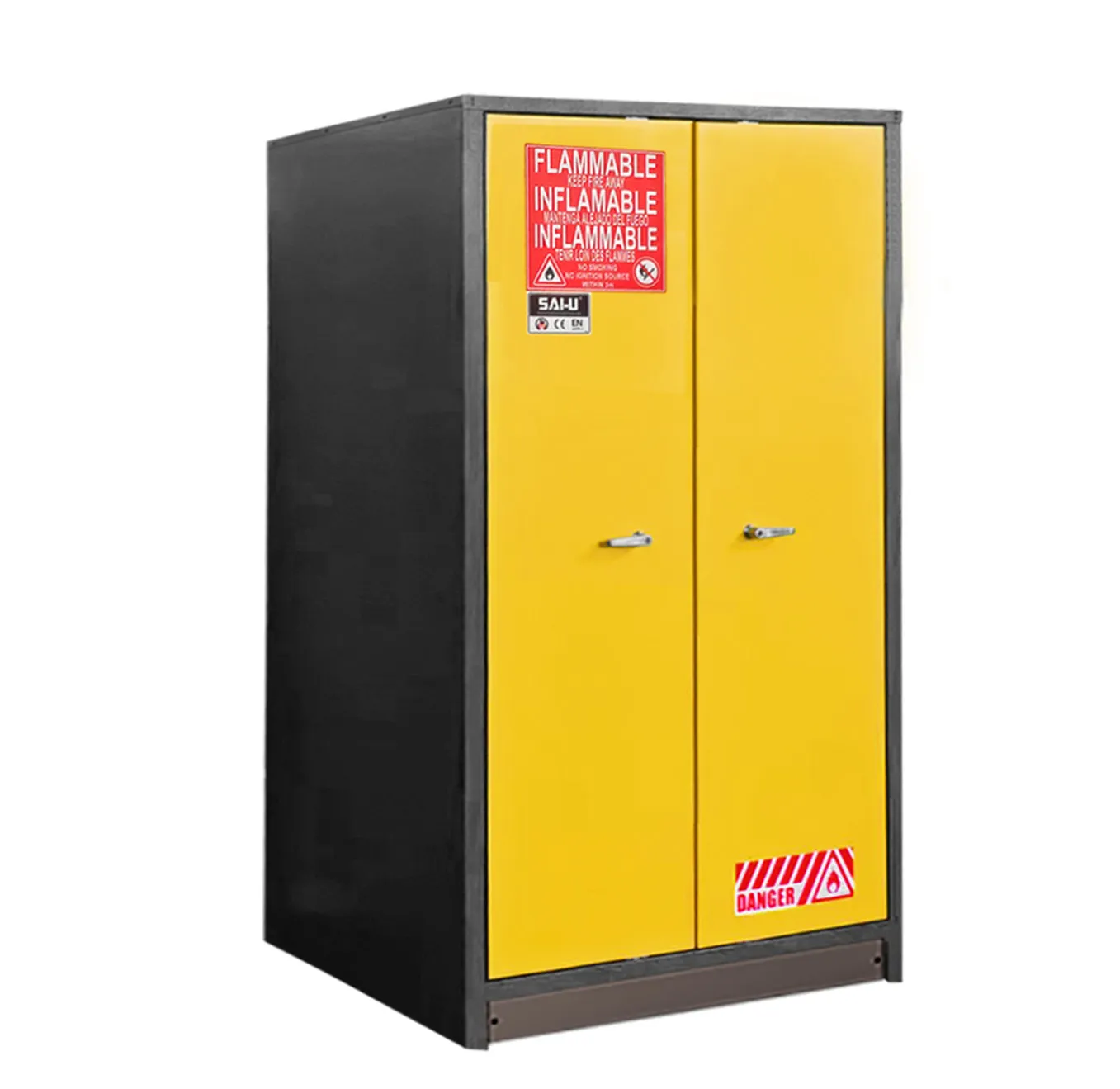
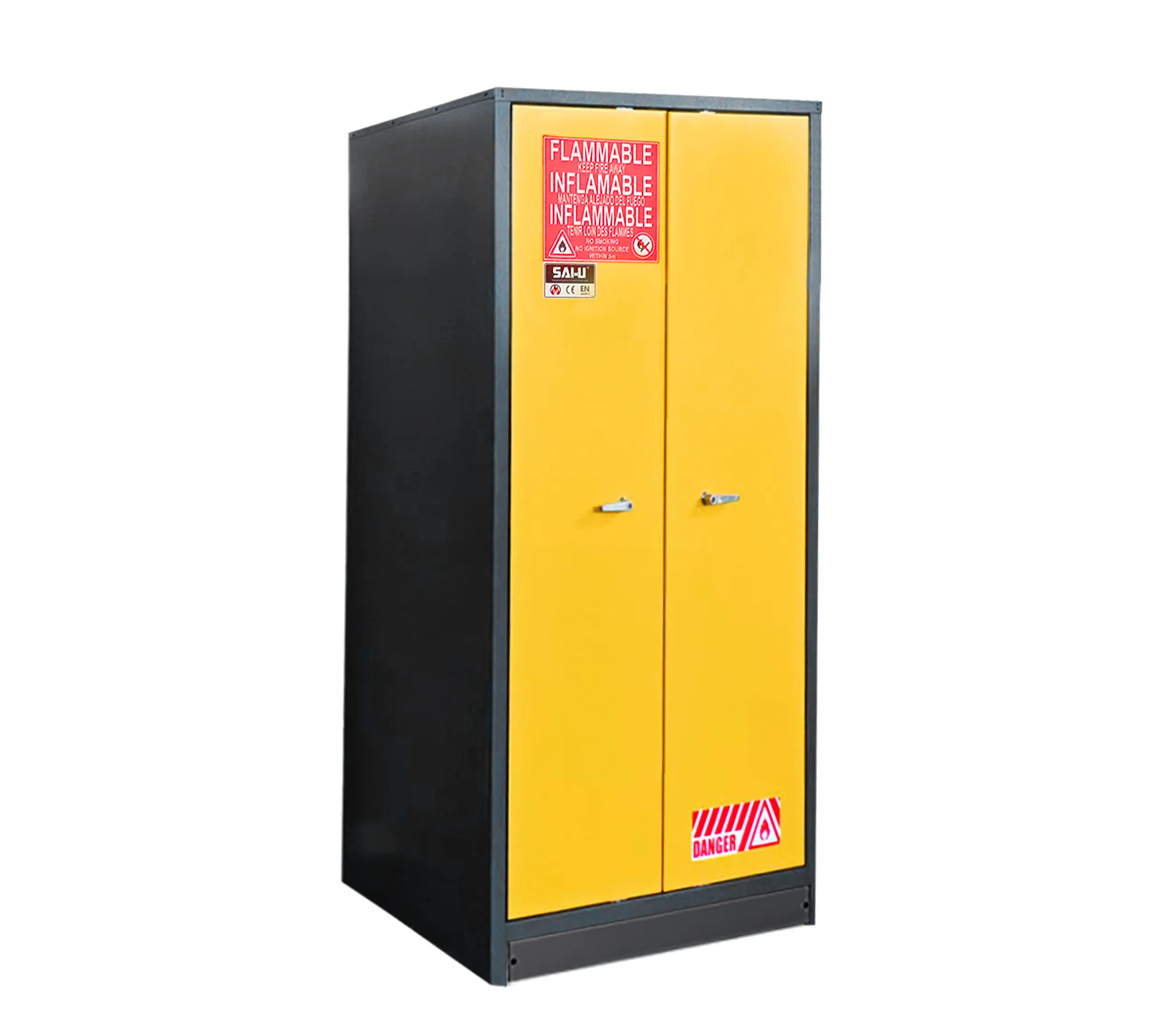
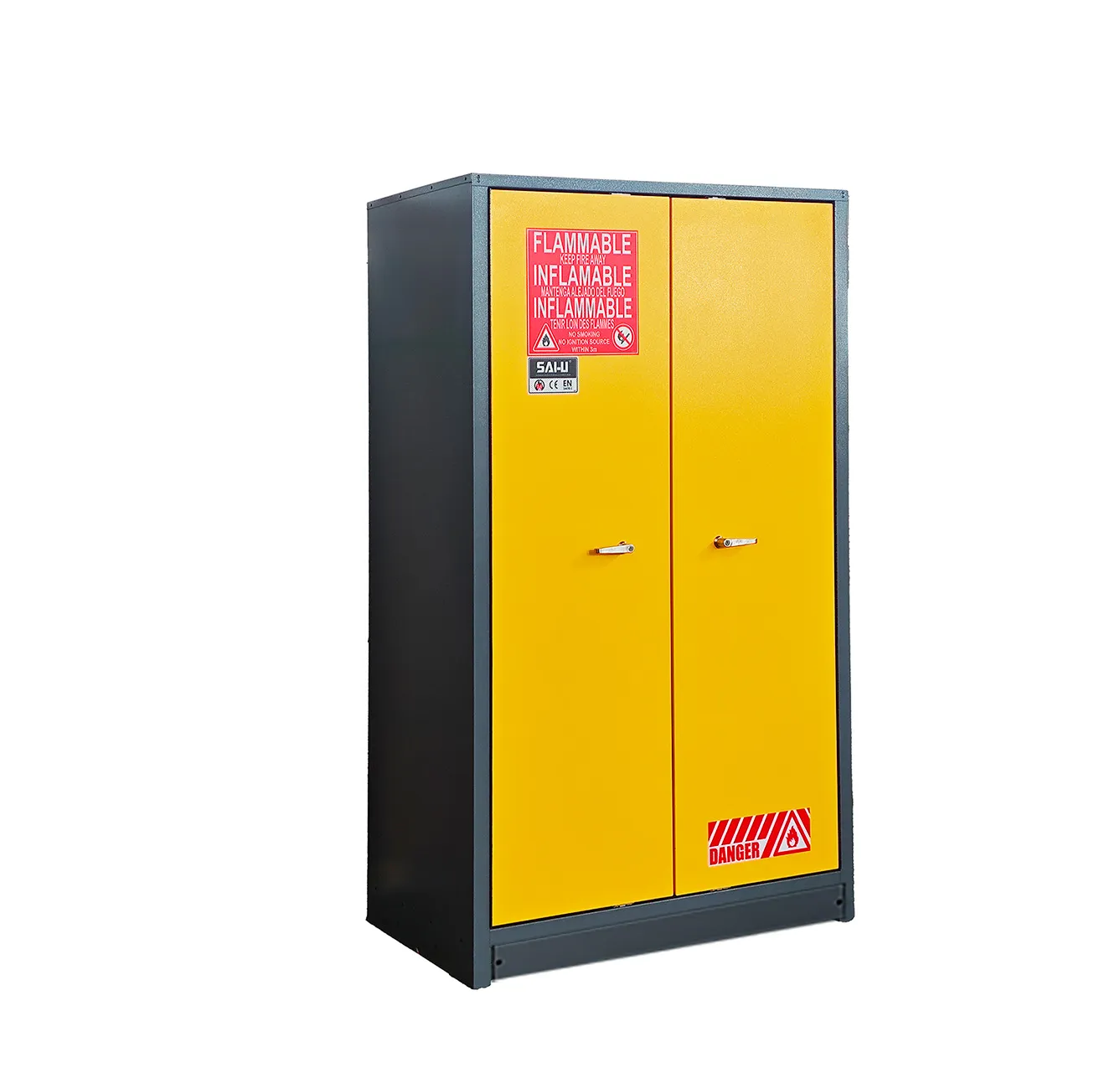
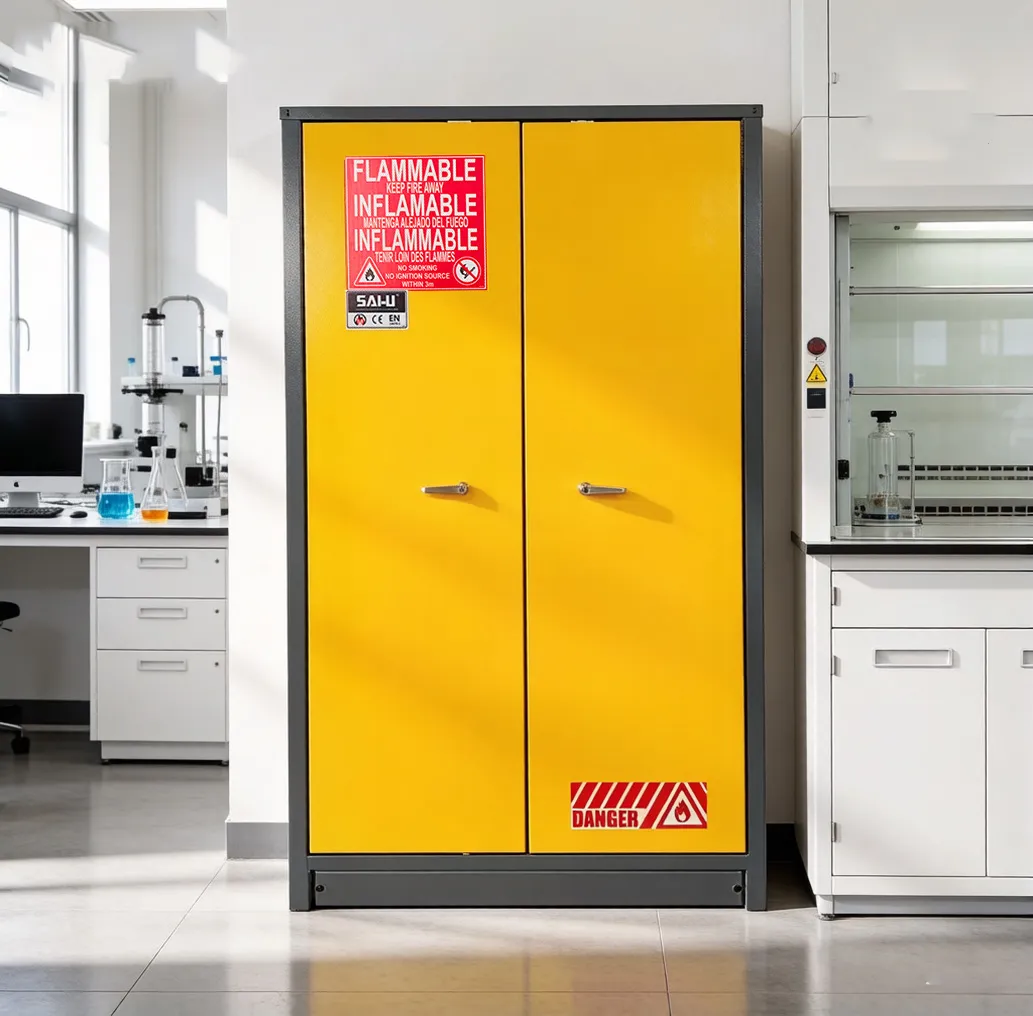
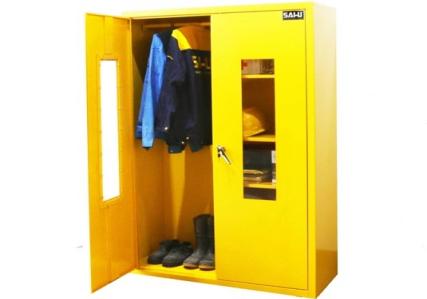
For example, SAI-U's SC00PPE has an external dimension of 1650 × 1100 × 457 mm, an internal dimension of 1595 × 547 × 433 mm, 3 adjustable shelves, a 50 kg shelf loading capacity, and a 170 L / 45 Gal capacity. These manufacturer-published specifications provide a concrete starting point for industrial buyers comparing cabinet configurations.
What Should a PPE Storage Cabinet Accomplish?
Definition: A PPE storage cabinet is a dedicated storage unit configured to keep personal protective equipment organized, accessible and protected while supporting the site's PPE management procedure.
The cabinet itself is only one part of PPE management. OSHA requires employers to assess workplace hazards and select PPE appropriate for those hazards, while required PPE must be maintained in a sanitary and reliable condition.
That means the storage arrangement should support the PPE program already established at the facility.
A well-configured cabinet should make it easy to answer three operational questions:
What PPE belongs here?
The cabinet should have a defined inventory rather than becoming general-purpose storage.
Where is each item located?
Shelves, hooks, labels or zones should make common items easy to identify.
Is the PPE ready for use?
Damaged, dirty, expired or otherwise unsuitable equipment should not be returned to the active stock.
SAI-U's PPE storage cabinet range is designed for environments including factories, hospitals, airports, schools, hotels and commercial buildings, with storage configurations intended for items such as helmets, protective goggles, work clothing, masks, safety shoes, safety locks, first-aid equipment and air respirators.
Define the Cabinet's Role Before Comparing Models
Before comparing PPE storage cabinets, define whether the cabinet is intended for:
A cabinet used by a production team every shift has different access and replenishment requirements from a cabinet containing reserve equipment for emergency response.
This distinction also prevents over-sizing. A cabinet does not need to hold an entire site's PPE inventory if its function is only point-of-use storage.
How Do You Size PPE Storage Capacity by People, Shifts and Tasks?
Definition: PPE cabinet capacity is the amount of usable storage required to hold the site's required PPE inventory while maintaining identification, access and replenishment space.
A practical capacity calculation starts with users × PPE requirement × replenishment cycle, then adjusts for emergency reserve and the physical dimensions of each PPE item.
For example:
Required stock = users per shift × required units per user × replenishment cycles + site-approved reserve
This is a planning formula rather than a universal regulatory requirement. The actual quantity should come from the facility's PPE program and consumption data.
Build the PPE Inventory by Work Area
Different work areas normally consume different PPE.
A machining area may require regular eye protection, hearing protection and gloves. A chemical-handling area may require specialized protective clothing, goggles, face protection or respiratory equipment. A maintenance workshop may need a different combination again.
Instead of storing everything together, create a simple inventory matrix:
| PPE Type | Users/Shift | Units/User | Replenishment | Reserve | Storage Method |
|---|
| Safety goggles | 20 | 1 | Weekly | 10% | Shelf/bin |
| Work gloves | 20 | 1 pair | Daily/weekly | Site-defined | Shelf/bin |
| Hard hats | 20 | 1 | Monthly | Site-defined | Shelf/hook |
| Protective clothing | 10 | 1 | Weekly | Site-defined | Hanging/storage area |
| Respirators | 10 | Program-specific | Manufacturer-defined | Program-specific | Dedicated protected area |
The numbers above are an illustrative planning example, not an OSHA requirement or SAI-U recommendation. Buyers should replace them with actual site inventory data.
Set Reorder Quantity and Emergency Reserve
A cabinet that is always full can be less useful than one with clearly defined replenishment space.
For fast-moving PPE, consider maintaining a dedicated reserve zone so that new stock can be added without disturbing the active inventory.
A simple visual arrangement could be:
Upper area: reserve stock
Middle area: daily-use PPE
Lower area: heavier or larger items
Door/hook area: lightweight accessories where appropriate
The exact arrangement should be adapted to the equipment and manufacturer instructions.
For respirators specifically, storage conditions are particularly important. NIOSH states that respirators should generally be stored away from contamination, dust, sunlight, extreme temperatures, excessive moisture and damaging chemicals, while manufacturers may specify additional conditions for individual products.
How Should You Separate Clean, Used, Damaged and Emergency PPE?
Definition: PPE zoning is the deliberate separation of different PPE conditions or categories so that active, reserve, used and unsuitable equipment is not mixed during normal operations.
Zoning is especially useful when one cabinet serves multiple PPE categories or when equipment moves through a defined inspection and replenishment process.
Create Zones That Match the Site's Handling Procedure
The cabinet should reflect how PPE actually moves through the workplace.
A basic arrangement might distinguish:
| Zone | Purpose | Typical control |
|---|
| Active stock | PPE ready for use | Clear labels |
| Reserve stock | Back-up inventory | Reorder/stock rotation |
| Returned equipment | Items requiring inspection | Separate from active PPE |
| Damaged/defective | Equipment removed from service | Clearly identified |
| Specialized PPE | Respiratory or task-specific items | Dedicated compartment/area |
The exact categories will vary by organization.
OSHA's PPE standard states that defective or damaged PPE shall not be used.
Therefore, a cabinet configuration that makes it easy to return questionable equipment to the active shelf without inspection is a weak operational design. The physical layout should make the correct process easier to follow.
Avoid Cross-Contamination and Stock Confusion
Not all PPE should be treated as ordinary general storage.
Respirators, for example, require storage that prevents contamination and damage. OSHA's respiratory protection standard requires respirators to be stored in a manner that protects them from damage, contamination, dust, sunlight, extreme temperatures, excessive moisture and damaging chemicals.
NIOSH also notes that respirators should be stored according to the manufacturer's instructions and that stockpile managers should track manufacturer-designated shelf life and storage conditions where applicable.
This is why a PPE cabinet should be configured around the actual equipment—not simply filled until all available volume is used.
Which Cabinet Features Matter in an Industrial Environment?
Definition: PPE cabinet features should be selected according to the stored equipment, operating environment, access requirements and site's inventory-control procedure.
SAI-U's SC00PPE provides a useful example of how cabinet specifications translate into operational features.
Adjustable Shelves, Hooks and Internal Zoning
The SC00PPE has 3 adjustable shelves, with a listed 50 kg shelf loading capacity. The product page also specifies a 50 mm distance between shelf-bracket positions, allowing the shelf arrangement to be adjusted to different storage requirements.
The cabinet additionally uses support hooks at approximately 65 mm intervals, which can be used to organize suitable items without consuming the entire shelf footprint.
This flexibility matters because a cabinet storing helmets and protective clothing requires a different internal arrangement from one dominated by smaller packaged PPE.
Visibility and Access Control
SC00PPE uses a double-door manual configuration and includes high-strength organic-glass visualization panels. The cabinet also uses upper and lower latch locking hardware.
These features can be useful where operators need to identify stored equipment while still maintaining controlled cabinet access.
However, locking should be decided according to the site's operating procedure. A cabinet containing emergency PPE should not become difficult to access during an emergency merely because security requirements were considered without reviewing the response process.
Where Should a PPE Storage Cabinet Be Placed?
Definition: PPE cabinet placement is the selection of an accessible and operationally suitable location that supports PPE availability without interfering with workplace movement or emergency procedures.
The best location is usually close enough to the point of PPE use that employees do not have to make an unnecessary journey to obtain required equipment.
At the same time, the cabinet should not be placed where opening the doors, restocking supplies or accessing PPE creates a conflict with production traffic, emergency routes or other site activities.
Position Cabinets Near the Point of Use
Consider these factors together:
Distance: Can employees access required PPE without unnecessary travel?
Visibility: Can workers quickly identify the correct cabinet and its contents?
Access: Can doors be fully opened without interfering with nearby equipment?
Environment: Is the location compatible with the storage requirements of the equipment?
Replenishment: Can stock be delivered and restocked efficiently?
SAI-U's own PPE storage guidance recommends keeping the cabinet in a dry, well-ventilated environment and inspecting its condition regularly. The company's emergency-equipment storage guidance also emphasizes clear labeling and accessibility.
Assign Inspection and Restocking Responsibilities
A cabinet works best when ownership is clear.
The site should define who checks inventory, who removes defective equipment, who replenishes stock and how shortages are recorded.
For long-term PPE stockpiles, inventory rotation should also be considered. NIOSH recommends documenting information such as manufacturer, model, lot, shelf life, quantity and storage conditions for stockpiled respirators where applicable, and discusses rotation strategies to help prevent equipment from remaining in storage beyond its designated shelf life.
What Should Be Included in a PPE Storage Cabinet RFQ?
Definition: A PPE cabinet RFQ specification is the set of operational, dimensional and configuration requirements a supplier needs to recommend and quote a suitable cabinet.
The strongest RFQs focus on measurable requirements rather than generic wording such as “large capacity” or “heavy duty.”
PPE Cabinet Specification Checklist
| RFQ Parameter | Buyer Should Provide | Supplier Should Confirm |
|---|
| PPE types | Gloves, helmets, goggles, clothing, respirators, etc. | Suitable internal arrangement |
| Users | Employees per shift/work area | Recommended capacity |
| Inventory | Current and maximum quantities | Shelf/hook/bins configuration |
| Replenishment | Daily, weekly, monthly or other | Reserve-space recommendation |
| Dimensions | Maximum available footprint | External dimensions |
| Internal clearance | Largest stored item | Usable shelf height/depth |
| Shelves | Required shelf count | Quantity, adjustability and load rating |
| Access | Open or controlled access | Door and locking configuration |
| Environment | Indoor/outdoor, dry, dusty, chemical area | Suitable cabinet configuration |
| Visibility | Need for viewing contents | Window/visualization option |
| Finish/material | Site conditions | Material and finish |
| Documentation | Drawing/specification/certificates as required | Available documents |
For example, SAI-U SC00PPE is specified with a 170 L / 45 Gal capacity, 1650 × 1100 × 457 mm external dimensions, 1595 × 547 × 433 mm internal dimensions, 3 adjustable shelves, 50 kg shelf loading, and 89 kg gross weight. The cabinet uses a 1.2 mm galvanized-steel construction according to the published product specifications.
These figures are useful because they allow a buyer to compare actual cabinet capacity, footprint and shelf loading rather than choosing solely by product name.
For the detailed model specification, see SAI-U's SC00PPE Personal Protective Equipment Storage Cabinet.
What Information Should a Supplier Receive?
For a meaningful quotation, send at least:
1. PPE inventory: equipment type and quantity.
2. Users: number of employees, shifts and work areas.
3. Storage conditions: indoor environment, moisture, dust, chemicals or other relevant exposure.
4. Space: maximum available cabinet width, depth and height.
5. Access: frequency of use and whether controlled access is required.
6. Configuration: shelves, hooks, visual access, labels or specialized compartments.
This gives the manufacturer enough information to recommend a model rather than simply quoting the largest available cabinet.
Conclusion: Configure the Cabinet Around the PPE Program
A useful PPE storage cabinet is not defined by capacity alone. The cabinet should match the site's PPE inventory, workforce, replenishment cycle, storage conditions and access procedure.
The most effective configuration process is straightforward: identify the PPE types and quantities, calculate active and reserve stock, establish clear zones, determine the required shelves or hooks, check environmental conditions, and define how inspection and replenishment will work.
SAI-U's SC00PPE shows how a real industrial cabinet can combine measurable capacity with adjustable internal storage: 170 L / 45 Gal capacity, 3 adjustable shelves, 50 kg shelf loading, and 1650 × 1100 × 457 mm external dimensions. These specifications give procurement teams a concrete basis for comparing cabinet options and preparing an RFQ.
For an application-specific configuration, send SAI-U the PPE types, users per shift, required quantities, available installation space and access requirements. The supplier can then evaluate the appropriate cabinet configuration and prepare a quotation based on the actual site requirements.
Request a PPE cabinet configuration and quote: Share your PPE inventory, users per shift and access requirements with SAI-U.
Frequently Asked Questions About PPE Storage Cabinets
What Size PPE Storage Cabinet Do I Need?
The required size depends on PPE type, quantity, number of users, replenishment frequency and available installation space. Measure the largest PPE items and determine the maximum inventory that must be stored before selecting the cabinet dimensions.
How Do I Calculate PPE Cabinet Capacity?
Start with the required quantity of each PPE item and the site's replenishment cycle, then add any approved reserve inventory. Convert this inventory into actual shelf, hook and compartment requirements instead of relying on cabinet volume alone.
Should Clean and Used PPE Be Stored Separately?
Where the site's PPE procedure requires separation, the cabinet should provide clearly identified zones so active, returned, damaged or reserve equipment is not mixed. OSHA also requires defective or damaged PPE not to be used.
Should PPE Cabinets Be Locked?
Locking depends on the equipment, workplace procedure and emergency-access requirements. Controlled access can be useful for specialized or high-value equipment, but emergency PPE should remain accessible according to the site's emergency procedure.
Should PPE Cabinets Be Vented?
Not every PPE cabinet needs ventilation. The correct configuration depends on the stored equipment and its manufacturer instructions. Respirators, in particular, have specific storage considerations concerning contamination, moisture, temperature, sunlight and damaging chemicals.
How Often Should PPE Cabinet Stock Be Checked?
Inspection frequency should be defined by the site's PPE program and the type of equipment stored. High-use PPE may require frequent inventory checks, while stockpiled equipment should also be monitored for condition, quantity and applicable manufacturer shelf-life information. NIOSH specifically recommends documenting and managing shelf-life information for stockpiled respirators where applicable.
 English
  日本語
日本語  한국어
한국어  français
  Deutsch
  Español
  italiano
  русский
  português
  ไทย
ไทย  العربية